
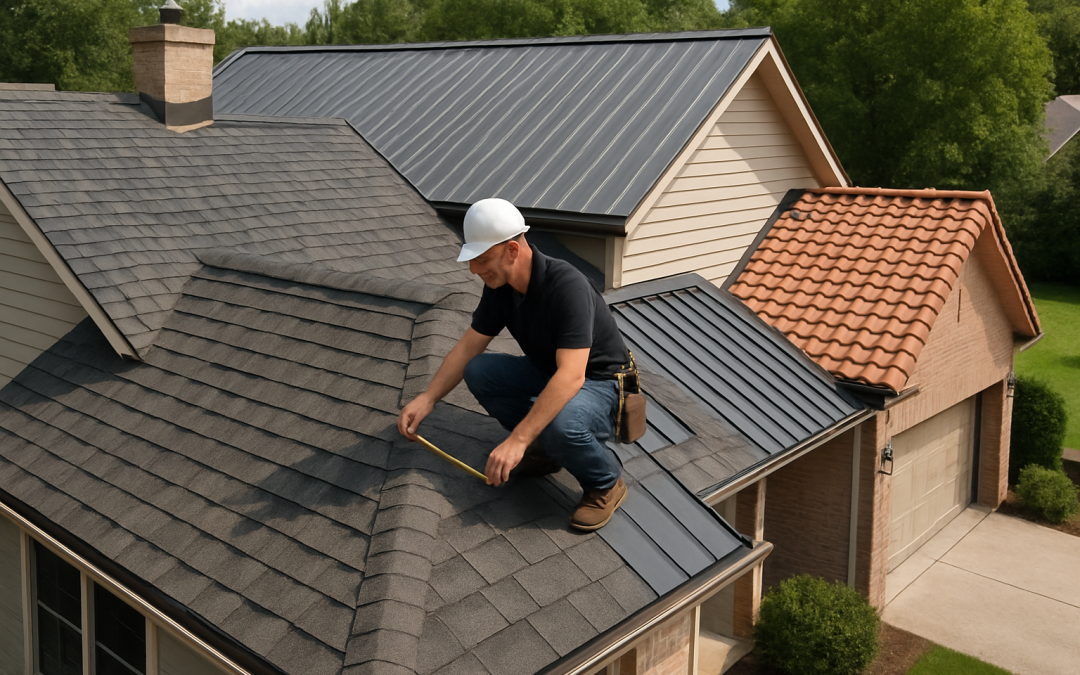
Roof pricing per square foot in 2026 typically ranges from about $3.50–$7.00 per square foot for basic asphalt shingles, $7.00–$14.00 for metal, and $8.00–$20.00+ for premium materials like tile or slate, including professional installation. That means a 1,500–2,000 square foot roof can cost anywhere from about $7,000 to $30,000+ depending on material, roof complexity, and local labor rates. Repairs are usually much cheaper per square foot but can add up if damage is widespread. Exact pricing depends on your roof’s size, pitch, condition, and whether there is storm or insurance-related damage.
If you are seeing leaks, missing shingles, or storm damage, understanding cost per square foot helps you decide whether a small repair makes sense or if a full replacement is more cost-effective. This guide explains 2026 roof pricing per square foot by material and roof size, what affects your final bill, when insurance may help, and how to decide whether to repair, replace, or call a roofing contractor.
Table of Contents
- Understanding Roof Pricing Per Square Foot in 2026
- Roof Cost Per Square Foot by Material
- Roof Cost Per Square Foot by Roof Size & Complexity
- What Homeowners Should Check First (From the Ground)
- Signs Your Roof Problem Is Serious
- Roof Repair vs. Replacement: Cost Per Square Foot
- When Insurance May Cover Roof Costs
- Timeline: How Fast You Need to Act
- Common Mistakes Homeowners Make With Roof Costs
- Decision Guide: Repair, Replace, Claim, or Contractor?
- Frequently Asked Questions
- Summary & Next Steps
Understanding Roof Pricing Per Square Foot in 2026
Roofing contractors usually price jobs by the “square,” which equals 100 square feet of roof surface. Homeowners often think in cost per square foot, so it helps to convert those numbers.
In 2026, most full roof replacements fall into these rough ranges (materials + labor):
- Basic asphalt shingles: About $3.50–$7.00 per square foot
- Architectural asphalt shingles: About $4.50–$8.50 per square foot
- Metal roofing: About $7.00–$14.00 per square foot
- Tile, slate, or premium systems: About $8.00–$20.00+ per square foot
These ranges assume professional installation, tear-off of old roofing, and basic underlayment. Costs go up with steep roofs, multiple stories, complex designs, and structural repairs.
If you want a deeper breakdown of how materials alone change your price, see the guide on how material choice affects roof cost.
Roof Cost Per Square Foot by Material
Asphalt Shingles (Most Common & Budget-Friendly)
Asphalt shingles are the most common roofing material in the U.S. and usually the most affordable.
- 3-tab asphalt shingles: About $3.50–$6.00 per square foot installed
- Architectural/dimensional shingles: About $4.50–$8.50 per square foot installed
Asphalt is often the best choice if:
- You plan to stay in the home 5–15 more years
- You need a cost-effective replacement after storm damage
- You want a standard look that fits most neighborhoods
Metal Roofing
Metal roofs cost more per square foot but can last 40–70 years with proper installation.
- Exposed fastener metal panels: About $7.00–$11.00 per square foot installed
- Standing seam metal: About $9.00–$14.00+ per square foot installed
Metal may be worth the higher price per square foot if you want long life, better wind resistance, and potentially lower maintenance. For a direct comparison, see asphalt vs. metal roof costs.
Tile, Slate, and Premium Materials
Tile and slate roofs are heavy, durable, and premium-looking, but they come with higher material and labor costs.
- Concrete or clay tile: About $8.00–$15.00+ per square foot installed
- Natural slate: About $12.00–$20.00+ per square foot installed
These systems are usually chosen for long-term homes, higher-end properties, or specific architectural styles. Your roof structure may need reinforcement to handle the extra weight, which increases cost per square foot.
Flat and Low-Slope Roofing
Flat or low-slope roofs use different materials such as modified bitumen, TPO, or EPDM.
- Residential flat roofing: Often about $4.00–$10.00 per square foot installed
Flat roofs can be more prone to leaks if not installed and maintained correctly, so quality workmanship is critical even if the per-square-foot price seems lower.
Roof Cost Per Square Foot by Roof Size & Complexity
How Roof Size Affects Price Per Square Foot
Roof size is one of the biggest cost drivers. Larger roofs cost more overall, but the price per square foot can sometimes go down slightly because fixed costs (like setup and disposal) are spread out.
- Small roofs (under 1,200 sq. ft.): Often at the higher end of per-square-foot ranges
- Average roofs (1,500–2,500 sq. ft.): Usually near the middle of the range
- Large roofs (3,000+ sq. ft.): Higher total cost, sometimes slightly better per-square-foot pricing
For a more detailed breakdown by roof size and pitch, see how roof size and pitch change the price.
How Roof Pitch and Complexity Change Cost
Steep, complex roofs cost more per square foot because they are harder and slower to work on.
- Steep pitch: Requires more safety equipment and time
- Multiple valleys, dormers, or skylights: More cutting, flashing, and detail work
- Two or three stories: More labor and safety measures
These factors can easily add $1.00–$4.00+ per square foot to your roofing price compared to a simple, single-story roof.
Regional Labor and Material Differences
Where you live also affects roof pricing per square foot.
- Urban and high-cost-of-living areas tend to have higher labor rates
- Regions with frequent storms may have higher demand and pricing
- Remote areas may pay more for material delivery and fewer contractors
Two homes with the same roof size and material can have very different per-square-foot costs depending on location and local code requirements.
What Homeowners Should Check First (From the Ground)
Before worrying about exact cost per square foot, confirm whether you have visible roof damage. Do this safely from the ground or inside your home—do not climb on the roof.
Safe Visual Checks Outside
Walk around your home and look for:
- Missing, curled, or broken shingles
- Loose or hanging gutters or downspouts
- Exposed wood, sagging areas, or obvious holes
- Heavy granule loss from shingles in your gutters or at downspout exits
Safe Checks Inside the Home
Inside, look for signs of leaks or moisture:
- Brown or yellow water stains on ceilings or walls
- Peeling paint or bubbling drywall
- Musty smells in the attic or upper floors
- Visible daylight coming through the roof deck in the attic
If you see any of these, you likely have active roof damage, and waiting can increase both the area affected and the cost per square foot to fix it.
Signs Your Roof Problem Is Serious
Some roof issues can wait a short time; others need fast action to avoid major structural damage and higher costs.
Red Flags That Suggest Major Damage
- Multiple leaks in different rooms or areas
- Ceiling sagging or soft spots when you gently press with a hand
- Large sections of missing shingles after a storm
- Visible sagging in the roofline from the street
- Water actively dripping inside during rain
These signs often mean water has reached the roof deck or even structural framing. Repair costs per square foot can jump significantly when wood replacement is needed.
Age-Related Concerns
Even without obvious leaks, an older roof can be at the end of its useful life.
- Asphalt shingles: Often 15–30 years depending on quality and climate
- Metal: Often 40–70 years
- Tile/slate: 50+ years, sometimes much longer
If your asphalt roof is 18–25+ years old and you see curling, cracking, or widespread granule loss, a full replacement is usually more cost-effective than repeated repairs.
Roof Repair vs. Replacement: Cost Per Square Foot
Typical Roof Repair Cost Ranges
Repairs are usually priced by the job, but you can still think in terms of cost per square foot of affected area.
- Minor roof repair: $150–$1,000 (small leak, a few shingles, minor flashing)
- Moderate repair: $1,000–$3,000 (larger leak area, partial underlayment replacement)
- Major repair: $3,000–$7,000+ (structural wood replacement, multiple leak points)
On a per-square-foot basis, repairs can look expensive because the contractor must cover travel, setup, and labor for a small area. But they are still cheaper overall than a full replacement when damage is limited.
Full Roof Replacement Cost Ranges
For a full replacement, cost per square foot is more predictable:
- Most asphalt roofs: $3.50–$8.50 per square foot
- Metal roofs: $7.00–$14.00 per square foot
- Premium roofs (tile, slate): $8.00–$20.00+ per square foot
In total, most homeowners spend:
- Full roof replacement: $5,000–$15,000+ for typical homes, more for large or premium roofs
For a broader overview of total project costs, see the guide to average roof replacement costs in 2026.
When Repair Is No Longer Worth It
Repairing stops making sense when:
- Your roof is near or past its expected lifespan
- Repairs would cover more than 20–30% of the roof surface
- You have recurring leaks in different areas
- The roof deck is soft or rotting in multiple spots
In these cases, the cost per square foot of repeated repairs can quickly exceed the cost of a full replacement, and you still end up with an old roof.
When Insurance May Cover Roof Costs
Damage Typically Covered by Homeowners Insurance
Insurance usually helps when the damage is sudden and accidental, not due to normal wear and tear. Common covered events include:
- Wind damage (shingles blown off, lifted, or creased)
- Hail damage (bruised, cracked, or punctured shingles)
- Falling objects (like a tree or large branch hitting the roof)
- Fire or certain types of water damage from covered events
If your roof is older, your policy may only pay “actual cash value,” which factors in depreciation, reducing what insurance pays per square foot.
When Insurance Usually Does Not Apply
Insurance typically does not cover:
- Normal aging and wear
- Neglected maintenance (clogged gutters, long-term leaks)
- Improper installation or defective workmanship
If your roof is simply old and worn out, you will likely pay the full cost per square foot yourself.
How to Approach a Roof Insurance Claim
If you suspect storm damage:
- Document what you see from the ground and inside (photos and notes)
- Contact a reputable roofing contractor for an inspection and written report
- Then contact your insurance company to start a claim, using the contractor’s findings as support
A contractor experienced with insurance work can help you understand whether the damage is likely to qualify and what portion of the roof may be covered.
Common Claim Mistakes That Lead to Denials
- Waiting too long after a storm to report damage
- Making temporary repairs without documenting the original damage
- Letting the adjuster inspect without any contractor input
- Assuming all roof issues are covered, even if the roof is very old
Always keep receipts and photos, and avoid starting major work until you understand what your policy will cover.
Timeline: How Fast You Need to Act
When You Need Immediate Help
Call a roofing contractor as soon as possible if:
- Water is actively dripping or pouring inside during rain
- Ceilings are sagging or bulging
- You see a large section of missing shingles or a tree has hit the roof
In these cases, even a short delay can increase the damaged area and drive up the cost per square foot due to structural repairs and interior damage.
When You Have Some Time to Plan
You can usually take a bit more time to gather quotes and consider options if:
- You have a small, slow leak with a bucket catching drips
- There are a few missing shingles but no signs of interior damage
- Your roof is aging but not yet leaking
Still, it is wise to schedule an inspection within days to weeks, not months, so you can budget and avoid surprise failures.
Common Mistakes Homeowners Make With Roof Costs
Focusing Only on the Lowest Price Per Square Foot
Choosing the cheapest bid can backfire if it means poor workmanship or low-quality materials.
- Cheap underlayment or flashing can lead to leaks even with good shingles
- Uninsured or unlicensed contractors may leave you exposed if something goes wrong
Compare what is included in each estimate, not just the final number. A guide on how to read a roofing estimate can help you understand line items and avoid surprises.
Delaying Small Repairs
Ignoring a small leak to “save money” often leads to:
- Rotten roof decking and framing
- Mold growth in insulation and drywall
- Much higher repair or replacement costs later
Addressing minor issues early usually keeps your total cost per square foot lower over the life of the roof.
Not Getting Multiple Quotes
Prices can vary significantly between contractors for the same roof.
- Get at least 2–3 written estimates
- Compare materials, warranties, and scope of work, not just price
Once you have estimates, you can also use strategies from how to negotiate a roofing estimate to get the best value without sacrificing quality.
Decision Guide: Repair, Replace, Claim, or Contractor?
Should You Repair or Replace Based on Cost Per Square Foot?
Use these general guidelines:
- Lean toward repair if the roof is under 10–12 years old, damage is limited to a small area, and the rest of the roof looks healthy.
- Consider replacement if the roof is 15–25+ years old, you have multiple leaks, or repairs would cover more than 20–30% of the surface.
- Think long-term if you plan to stay in the home for many years; a new roof can also improve curb appeal and may help with energy efficiency, as discussed in does a new roof improve energy efficiency.
Should You File an Insurance Claim?
Consider filing a claim if:
- Damage clearly followed a storm (wind, hail, falling tree)
- Neighbors are getting roof inspections or replacements after the same event
- The estimated repair or replacement cost is likely well above your deductible
If the roof is just old or has minor wear, a claim will likely be denied and may still go on your record, so it is better to pay out of pocket in those cases.
When to Contact a Roofing Contractor
Contact a reputable roofing contractor when:
- You see any signs of leaks or interior water damage
- You suspect storm damage but are not sure how bad it is
- Your roof is approaching the end of its expected life and you want to budget
A professional inspection will give you a clearer picture of the condition, realistic cost per square foot, and whether repair, replacement, or an insurance claim makes the most sense.
Frequently Asked Questions
How much does a new roof cost per square foot in 2026?
In 2026, most new asphalt shingle roofs cost about $3.50–$8.50 per square foot installed, while metal roofs run about $7.00–$14.00 per square foot. Premium materials like tile or slate can reach $8.00–$20.00+ per square foot depending on complexity and location.
Is it cheaper to repair or replace a roof?
Repairs are usually cheaper in total cost, especially for small areas of damage, but they can be more expensive per square foot because of setup and labor for a small job. If your roof is older or has widespread issues, a full replacement often provides better long-term value and fewer future repair bills.
How do I estimate my roof replacement cost?
You can roughly estimate by multiplying your roof’s square footage by the typical cost per square foot for your chosen material. However, factors like pitch, stories, tear-off, and local labor rates can change the final price, so getting at least two professional quotes is important.
Will insurance pay for my new roof?
Insurance may pay for part or all of a new roof if damage is from a covered event like hail, wind, or a fallen tree. It usually will not cover roofs that are simply old or worn out, and older roofs may only be covered at depreciated value.
Is $30,000 too much for a roof?
It depends on your roof size, material, and complexity. For a large home, steep roof, or premium material like metal or tile, $30,000 can be a normal or even reasonable price; for more context, see the discussion in Is $30,000 Too Much for a Roof?.
How fast should I fix a leaking roof?
You should address an active leak as soon as possible, ideally within days, to prevent structural damage and mold. Even if a full replacement takes time to schedule, a contractor can often provide temporary protection to limit further damage.
Summary & Next Steps
In 2026, roof pricing per square foot ranges widely—from about $3.50–$8.50 for asphalt to $7.00–$14.00 for metal and higher for premium materials—depending on roof size, complexity, and location. Small repairs cost less overall but can be pricey per square foot, while full replacements offer more predictable pricing and long-term protection.
If you see leaks, missing shingles, or storm damage, the most important next step is a professional inspection. That inspection will clarify whether a targeted repair, full replacement, or insurance claim is the smartest financial move for your home.
To protect your home and control costs, schedule a qualified roofing contractor to inspect your roof, explain your options, and provide a detailed written estimate. Compare at least two quotes, ask questions about materials and warranties, and act quickly if there are active leaks or structural concerns so you can keep your total cost per square foot as low as possible over the life of your roof.