
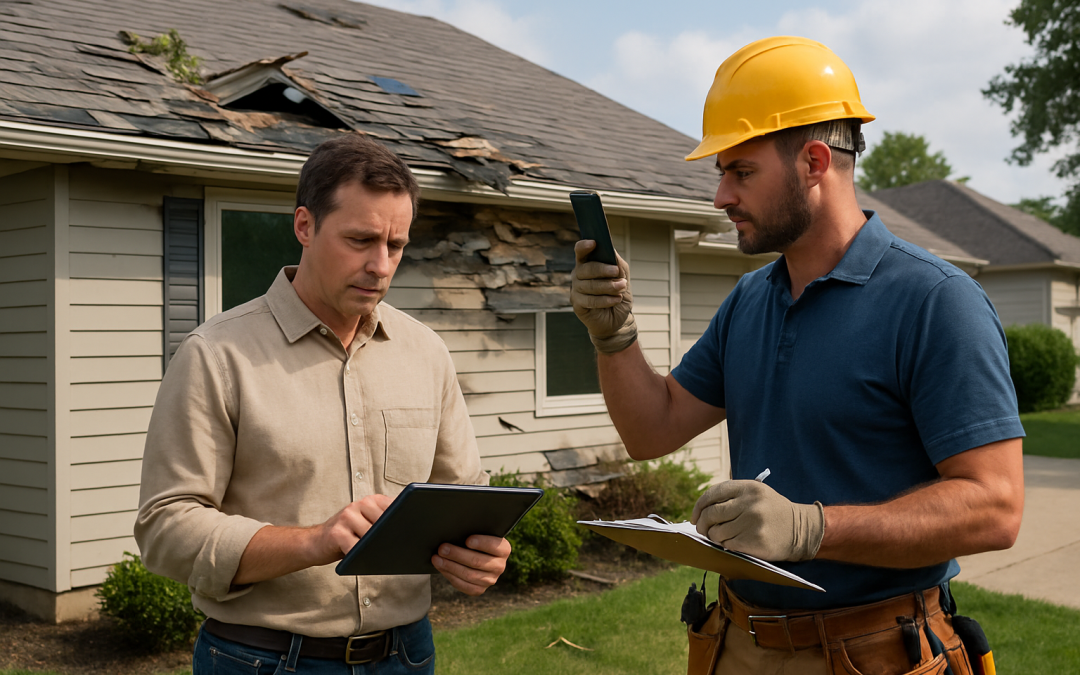
Homeowners insurance usually covers roof damage that is sudden and accidental, such as wind, hail, falling trees, or fire, but it typically does not cover wear and tear, old age, or poor maintenance. If the damage is covered, your policy may pay for repair or full replacement, minus your deductible and any coverage limits. Claims can take anywhere from a few days to several weeks to resolve, depending on the severity and documentation. Every policy is different, so your exact coverage and payout will depend on your policy language, exclusions, and the insurance adjuster’s findings.
If you’re dealing with a damaged or leaking roof, understanding what your insurance will actually pay for can make the difference between a manageable repair and a major out-of-pocket expense. This guide is for homeowners who are worried about storm damage, aging shingles, or sudden leaks and want clear answers on coverage, costs, and next steps. You’ll learn what insurance usually covers, when to repair or replace, and when it’s smart to file a claim or call a roofing contractor.
Table of Contents
- What Insurance Typically Covers for Roof Damage
- Common Causes of Roof Damage and How Insurance Sees Them
- What to Check First (Safe, Simple Inspections)
- Signs Your Roof Damage Is Serious
- When Homeowners Insurance May Apply
- How to File a Roof Damage Insurance Claim
- Roof Repair and Replacement Cost Expectations
- Repair vs. Replace: How to Decide
- When to Call a Roofing Contractor
- Common Mistakes Homeowners Make with Roof Damage and Insurance
- Frequently Asked Questions
- Summary and What to Do Next
What Insurance Typically Covers for Roof Damage
Most standard homeowners insurance policies cover roof damage that is sudden, accidental, and caused by a “covered peril.” A peril is simply an event your policy lists as covered, such as wind, hail, fire, or falling objects.
In general, insurance may cover:
- Wind damage that tears off shingles or roofing materials
- Hail damage that bruises, cracks, or breaks shingles
- Tree limbs or other objects falling on your roof
- Fire, smoke, or lightning damage
- Damage from the weight of ice or snow (in many policies)
- Water damage inside your home that results from a covered roof event
Insurance usually does not cover:
- Normal wear and tear or an old, worn-out roof
- Damage from lack of maintenance (for example, ignored small leaks)
- Improper installation or defective workmanship
- Mold or rot that built up slowly over time
Some policies pay for the full replacement cost of the damaged roof materials, while others only pay actual cash value (replacement cost minus depreciation for age and condition). This difference can be thousands of dollars, so it is worth checking your policy or calling your agent.
Common Causes of Roof Damage and How Insurance Sees Them
Storm and Wind Damage
Storms are one of the most common reasons homeowners file roof claims. High winds can lift, crease, or tear off shingles, and flying debris can puncture the roof surface.
Insurance usually covers:
- Shingles blown off or loosened by strong winds
- Roof sections damaged by flying debris
- Water damage inside the home that occurs because wind damaged the roof
Insurers may deny or reduce coverage if they believe the roof was already in poor condition or past its expected lifespan before the storm.
Hail Damage
Hail can bruise, crack, or break shingles and other roofing materials, even if you do not see obvious holes from the ground. Over time, this damage can lead to leaks and premature roof failure.
Insurance usually covers hail damage as long as:
- The hail event is documented in your area
- The damage is recent and clearly related to the storm
- The roof was not already at the end of its life
Falling Trees and Debris
When a tree or large branch falls on your roof, the damage is typically sudden and obvious. This is usually covered, including both roof repairs and related interior damage.
However, if the tree was clearly dead, diseased, or neglected, the insurer may argue that poor maintenance contributed and limit coverage.
Age and Wear
Roofs naturally wear out over time due to sun, temperature changes, and normal weather. Insurance does not treat this as a covered loss.
If your roof is near or past its typical lifespan, insurers may:
- Reduce payouts due to depreciation
- Refuse to cover certain types of damage
- Require replacement before renewing your policy
To understand how long different materials last and when age becomes a factor, see the guide on how long a roof lasts by material and warning signs of aging.
What to Check First (Safe, Simple Inspections)
You do not need to climb on your roof to get a basic idea of what is going on. In fact, it is safer to stay on the ground or inside your home and look for obvious signs.
From the ground or a safe distance, look for:
- Missing, curled, cracked, or lifted shingles
- Exposed underlayment or bare wood
- Tree limbs or debris resting on the roof
- Damaged or hanging gutters
Inside your home, check for:
- New water stains on ceilings or walls
- Damp spots, peeling paint, or bubbling drywall
- Drips during or right after rain
- Musty smells in the attic or upper floors
If you see active leaking or spreading stains, you likely have a more urgent issue. For immediate steps to limit damage from a leak, you can review guidance on what homeowners should do immediately when a roof is leaking.
Signs Your Roof Damage Is Serious
Some roof problems can wait a few days; others need attention right away to avoid major structural or mold damage.
Damage is likely serious if you notice:
- Active water dripping from the ceiling or light fixtures
- Large or rapidly growing brown water stains
- Sections of the roof that look sagged or uneven
- Multiple missing shingles in one area, especially near ridges or valleys
- Daylight visible through the attic roof boards
- Wet insulation or puddles in the attic
In these cases, you should:
- Protect belongings under the leak with buckets and plastic sheeting
- Call a roofing contractor as soon as possible
- Document the damage with photos and videos for insurance
When Homeowners Insurance May Apply
Insurance is more likely to help when the damage is tied to a specific, recent event rather than long-term wear. Think “sudden and accidental” rather than “gradual and expected.”
Situations Often Covered
- Windstorm tears off shingles and causes a leak
- Hailstorm leaves dents, cracks, or bruises on shingles
- Tree limb falls and punctures the roof
- Lightning strike or fire damages the roof structure
- Heavy snow or ice causes part of the roof to collapse (if listed in your policy)
Situations Often Not Covered
- Old shingles simply wearing out and starting to leak
- Small leaks that were ignored and led to mold or rot
- Improper installation or unlicensed work that fails
- Damage from pests (like squirrels or raccoons) in many policies
Some policies also have special rules for roofs over a certain age, such as only paying actual cash value instead of full replacement. It is worth asking your agent how your roof’s age affects coverage.
Deductibles and Coverage Limits
Your deductible is the amount you pay out of pocket before insurance pays. For example, if your roof repair is $4,000 and your deductible is $1,500, the insurer may pay around $2,500, depending on depreciation and policy terms.
Some policies have separate, higher deductibles for wind or hail damage. There may also be limits on cosmetic-only damage (like minor hail marks that do not affect performance).
How to File a Roof Damage Insurance Claim
Filing a claim is part documentation, part timing, and part communication. Doing it carefully can improve your chances of a fair payout.
Step 1: Document the Damage
- Take clear photos and videos of visible roof damage from the ground
- Photograph interior damage: stains, wet areas, damaged belongings
- Note the date and time of the event (storm, tree fall, etc.)
- Save any weather alerts, news reports, or local storm data if available
Step 2: Review Your Policy or Call Your Agent
Before filing, it helps to know:
- Your deductible amount
- Whether your policy is replacement cost or actual cash value for the roof
- Any exclusions or special rules for wind, hail, or older roofs
Step 3: Contact Your Insurance Company
- Report the claim as soon as possible after the damage
- Provide a basic description of what happened and when
- Ask about the next steps and expected timeline for an adjuster visit
Step 4: Get a Roofing Contractor Involved
It is often helpful to have a reputable roofing contractor inspect the roof and provide a written estimate. They can:
- Identify damage that may not be obvious to you
- Explain whether repair or replacement makes more sense
- Be present when the adjuster visits, if allowed, to point out damage
Step 5: Meet with the Adjuster
The adjuster works for the insurance company and will inspect the roof and interior damage. Be prepared to:
- Walk them through what you saw and when
- Share your photos, videos, and contractor estimate
- Ask questions about how they are calculating coverage and depreciation
Step 6: Review the Settlement Offer
Once you receive the estimate and payment details:
- Compare the adjuster’s scope with your contractor’s scope
- Ask for clarification or a re-inspection if major items were missed
- Confirm how and when additional funds are released if work costs more than the initial payment
Common Claim Mistakes That Lead to Denials or Low Payouts
- Waiting too long to report damage or file a claim
- Failing to document the damage thoroughly
- Making permanent repairs before the adjuster sees the damage
- Not addressing obvious maintenance issues (clogged gutters, moss, etc.)
- Accepting the first offer without comparing it to a contractor’s estimate
Roof Repair and Replacement Cost Expectations
Roof costs vary widely based on size, materials, labor rates, and how complex the damage is. Still, there are some typical ranges that can help you decide whether to file a claim or pay out of pocket.
Typical Cost Ranges
- Minor roof repair: $150–$1,000 (a few shingles, small flashing repair, minor leak fix)
- Moderate repair: $1,000–$3,000 (larger leak areas, multiple shingle sections, some decking repair)
- Major repair: $3,000–$7,000+ (widespread damage, structural repairs, multiple problem areas)
- Full roof replacement: $5,000–$15,000+ (higher for large homes, premium materials, or complex roofs)
What Drives Roof Repair and Replacement Costs
- Roof size: Larger roofs require more materials and labor.
- Roof pitch and complexity: Steep or cut-up roofs with many valleys, dormers, or skylights cost more.
- Material type: Asphalt shingles are usually the most affordable; metal, tile, or specialty materials cost more.
- Local labor rates: Costs vary by region and current demand (for example, after a major storm).
- Underlying damage: Rotten decking, damaged framing, or insulation issues add to the bill.
For a deeper look at full replacement pricing, you can review the guide on how much it costs to re-roof a 2,000 sq ft house.
When Costs Increase Significantly
Costs can jump when:
- There is structural damage to rafters or trusses
- Building codes require upgrades (ventilation, underlayment, or nailing patterns)
- There are multiple existing layers of roofing that must be torn off
- You choose higher-end materials or impact-resistant shingles
When Repair Is No Longer Worth It
Repairing may not be cost-effective when:
- The roof is near the end of its expected lifespan
- Repairs are needed in multiple areas year after year
- The cost of repeated repairs approaches a significant percentage of a new roof
- Insurance will help pay for replacement due to covered damage
Repair vs. Replace: How to Decide
Choosing between a repair and a full replacement depends on age, extent of damage, and long-term cost. A trusted roofing contractor can help you weigh these factors.
When a Repair Usually Makes Sense
- The roof is relatively new or mid-life and in otherwise good condition
- Damage is limited to a small, clearly defined area
- The cost of repair is well below your deductible or claim impact
- There are no widespread signs of aging, curling, or granule loss
When Replacement Is the Better Choice
- The roof is at or near the end of its lifespan
- Damage is spread across large sections or multiple slopes
- There are recurring leaks in different areas
- Insurance is willing to cover a significant portion of replacement due to storm damage
If you are unsure about your roof’s remaining life, the guide on the top signs you need a new roof can help you recognize when replacement is likely.
How Insurance Affects the Decision
If the damage is covered and your policy pays replacement cost, a full replacement may be more affordable than you expect, especially if your roof is older. On the other hand, if the damage is minor and the repair cost is close to or below your deductible, filing a claim may not be worth it.
Also consider how a claim might affect your future premiums or insurability, especially if you have filed other claims recently.
When to Call a Roofing Contractor
You should involve a professional roofer sooner rather than later in most roof damage situations. They can give you a clear picture of the damage and realistic repair or replacement options.
Call a Contractor Immediately If:
- You see active leaks, sagging ceilings, or rapid spreading water stains
- A tree or large branch has hit your roof
- Large sections of shingles are missing after a storm
- You suspect structural damage or feel unsafe in any part of the home
Call a Contractor Soon If:
- You notice a few missing or damaged shingles
- There are small but persistent stains on ceilings or walls
- Your roof is older and you are unsure if damage is from age or a recent storm
- You want a professional opinion before filing an insurance claim
A reputable contractor can also help you understand whether your roof type and materials are still appropriate for your climate and budget. For example, if you are considering different materials, the guide on roof covering types and how to choose the right roofing system can provide helpful context.
Common Mistakes Homeowners Make with Roof Damage and Insurance
A few common missteps can lead to bigger bills or denied claims. Being aware of them can save you money and stress.
- Ignoring small leaks: Minor drips or stains often turn into major rot, mold, and structural damage.
- Delaying inspections after storms: Waiting months can make it harder to prove damage came from a specific event.
- Not documenting damage: Lack of photos, videos, and notes weakens your claim.
- Hiring the cheapest or first contractor you find: This can lead to poor workmanship or even insurance fraud issues.
- Signing contracts before understanding insurance coverage: You may commit to work that is not fully covered.
- Assuming all damage is covered: Policies vary, and age or maintenance issues can limit payouts.
Frequently Asked Questions
Does homeowners insurance cover roof leaks?
Insurance may cover a roof leak if it is caused by a sudden, covered event like wind or hail. If the leak is due to age, wear and tear, or lack of maintenance, it is usually not covered, though resulting interior damage might be partially covered in some cases.
Will insurance pay for a full roof replacement?
Insurance will sometimes pay for a full replacement if a covered event damages a large portion of the roof or if repairs are not practical. Whether you receive full replacement cost or a depreciated amount depends on your specific policy and the age of your roof.
Should I file an insurance claim for minor roof damage?
If the repair cost is close to or below your deductible, filing a claim may not make financial sense. It is often wise to get a contractor’s estimate first, then decide whether the damage is significant enough to involve insurance.
How long do I have to file a roof damage claim?
Most policies require you to file within a certain time frame, often 6–12 months after the damage occurs, but this varies by insurer and state. It is best to report potential claims as soon as you notice damage to avoid missing deadlines.
Can my claim be denied because my roof is old?
An older roof does not automatically mean a denial, but insurers may reduce payouts due to depreciation or limit coverage for certain types of damage. If the roof is already at the end of its life, the insurer may argue that age, not the storm, is the main cause of failure.
Do I need multiple roofing estimates for an insurance claim?
While not always required, getting at least one or two estimates can help you understand fair pricing and ensure the adjuster’s scope is complete. Multiple quotes also give you options if the first contractor is unavailable or seems unreliable.
Summary and What to Do Next
Homeowners insurance generally covers roof damage that is sudden and caused by a covered event, but it rarely pays for problems from age or neglect. The real decision is whether to repair or replace, and whether to involve insurance based on the size of the damage, your deductible, and your roof’s age.
Your next steps should be to safely inspect for visible damage, document everything, and schedule a professional roof inspection. From there, compare contractor estimates, decide if a claim makes sense, and act quickly on serious leaks or structural concerns to protect your home and budget.
Getting a professional opinion early can prevent small issues from becoming major, expensive problems. Consider contacting a qualified roofing contractor for an inspection and using their findings to guide your repair, replacement, and insurance decisions.