
Types of Roof Vents: A Homeowner’s Guide to Roof Ventilation Systems
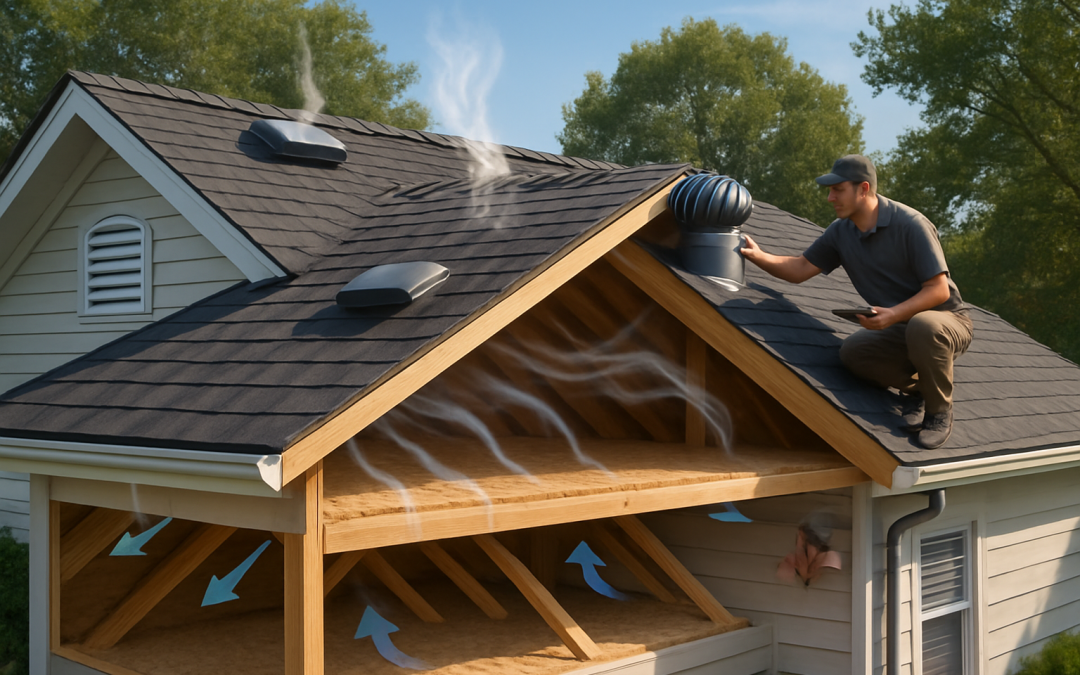
Roof vents are the openings and devices that let hot, moist air escape from your attic and allow fresh air in, helping your roof last longer and your home stay more comfortable. The right ventilation system usually includes intake vents at the eaves and exhaust vents near the roof peak, working together to move air naturally. Most homes can improve ventilation with a few added vents or upgrades, often costing a few hundred to a few thousand dollars depending on roof size and access. Exact needs and costs vary by climate, roof design, and existing damage, so a professional inspection is usually necessary before you decide to repair, upgrade, or replace anything.
For homeowners, understanding roof vent types is less about the technical details and more about preventing leaks, mold, high energy bills, and premature roof failure. This guide explains the main types of roof vents, how they work, what problems to watch for, and when it makes sense to repair, replace, or call a roofing contractor. If you are dealing with an aging roof, storm damage, or a possible roof leak, proper ventilation is an important part of the overall solution and long-term roof health.
Table of Contents
- What Are Roof Vents and Why Do They Matter?
- Main Types of Roof Vents (Intake and Exhaust)
- Common Roof Vent Problems and What They Mean
- What Homeowners Can Safely Check First
- Signs Your Roof Ventilation Problem Is Serious
- Roof Vents, Damage, and Homeowners Insurance
- Cost Expectations: Repair vs Replacement
- Repair vs Replace: How to Decide
- Timeline: How Quickly You Need to Act
- Common Mistakes Homeowners Make With Roof Vents
- Frequently Asked Questions
- Summary and Next Steps
What Are Roof Vents and Why Do They Matter?
Roof vents are openings in your roof system that let air move in and out of the attic or roof space. They are usually small, but they play a big role in how long your roof lasts and how comfortable your home feels.
Good roof ventilation helps:
- Reduce heat buildup in summer, lowering cooling costs and stress on shingles
- Limit moisture buildup that can cause mold, wood rot, and insulation damage
- Prevent ice dams in cold climates by keeping the roof deck temperature more even
- Extend the life of shingles, underlayment, and roof framing
Poor or damaged ventilation can lead to higher energy bills, musty smells, peeling paint, and even visible roof damage or leaks over time.
Main Types of Roof Vents (Intake and Exhaust)
Every effective roof ventilation system has two parts:
- Intake vents – bring cooler, fresh air into the attic (usually at the eaves or soffits)
- Exhaust vents – let hot, moist air escape (usually near the ridge or high on the roof)
Below are the main types of roof vents you’ll see on homes, explained in simple terms.
Intake Vents
Soffit Vents
Soffit vents are located under the eaves (the overhangs at the edge of your roof). They are the most common intake vents.
Key points:
- Can be continuous strips or individual rectangular vents
- Allow cooler outside air to enter the attic at the lowest point
- Work best when paired with ridge vents or other high exhaust vents
If soffit vents are blocked by insulation, paint, or debris, your attic may overheat or trap moisture.
Gable Vents (as Intake or Exhaust)
Gable vents are the louvered openings you see on the triangular wall at the end of a roof (the gable). They can act as intake, exhaust, or both, depending on wind direction and other vents.
Key points:
- Often used on older homes as the main ventilation
- Less effective than a well-designed soffit-and-ridge system
- Can be decorative as well as functional
Over-Fascia or Edge Intake Vents
These are installed at the roof edge above the gutters when there is little or no soffit area. They are less visible but serve a similar purpose to soffit vents.
They are common on homes with minimal overhangs or certain modern roof designs.
Exhaust Vents
Ridge Vents
Ridge vents run along the peak (ridge) of the roof and are one of the most effective exhaust vent types when combined with good intake vents.
Key points:
- Provide continuous ventilation along the highest point of the roof
- Usually covered with shingles to blend in
- Rely on natural rising of hot air (no electricity needed)
Ridge vents work best when they are the primary exhaust and other competing exhaust vents (like box vents) are minimized.
Box Vents (Static Vents)
Box vents, also called static vents or turtle vents, are small, square or rectangular vents installed near the roof peak.
Key points:
- Do not have moving parts or fans
- Rely on natural convection (hot air rising) and wind
- Often used in groups across the roof
They are simple and reliable but may not move as much air as a continuous ridge vent system.
Wind Turbines (Whirlybirds)
Wind turbines are round, spinning vents that use wind to pull air out of the attic.
Key points:
- Spin when the wind blows, increasing air movement
- Can be effective in windy areas
- Have moving parts that can wear out or make noise over time
Powered Attic Fans
Powered attic fans use electricity or solar power to actively pull hot air out of the attic.
Key points:
- Can move a lot of air quickly
- Must be properly sized and balanced with intake vents
- If not designed correctly, they can pull conditioned air from the living space, raising energy bills
These are best evaluated and installed by a professional who understands your home’s overall airflow and insulation.
Off-Ridge Vents
Off-ridge vents are long, narrow vents installed slightly below the ridge line. They function similarly to box vents but cover more area.
Roof Jack Vents and Plumbing Vents
Roof jacks and plumbing vents are not primarily for attic ventilation, but they are important roof penetrations that must be sealed correctly to prevent leaks. If you want to understand these components better, you can read more in the guide on what a roof jack is and how it’s used on a roof.
Common Roof Vent Problems and What They Mean
Roof vents themselves are small, but problems with them can lead to big issues over time.
Common Roof Vent Issues
- Cracked or broken vent covers – can let rain, snow, or pests into the attic
- Loose or missing flashing around vents – a common source of roof leaks
- Blocked soffit vents – from insulation, paint, nests, or debris
- Insufficient number of vents – attic gets too hot or humid
- Mixed vent types competing – for example, ridge vents plus gable vents causing short-circuiting of airflow
- Fan vents without enough intake – can pull air from the house instead of outside
What These Problems Can Lead To
- Higher cooling bills in summer
- Condensation on roof framing and nails in winter
- Mold or mildew in the attic
- Warped roof decking and premature shingle failure
- Ice dams in cold climates
- Ceiling stains and roof leaks around vent penetrations
What Homeowners Can Safely Check First
You should never climb onto your roof if you are not trained and equipped to do so. However, there are safe checks you can do from the ground or inside your home.
Safe Visual Checks from the Ground
- Walk around your home and look up at the roof with binoculars if possible.
- Check for visibly cracked, missing, or crooked vents.
- Look for rusted metal vents or damaged plastic covers.
- Notice any areas where shingles around vents look lifted or out of place.
Safe Checks from Inside the Attic
If you can safely access your attic using an interior hatch or pull-down stairs, you can look for:
- Daylight showing through vents (this is normal), but not through gaps around them
- Signs of moisture: dark stains, mold, damp insulation, or frost on nails in winter
- Very hot, stuffy air in summer, even when outside temperatures are moderate
If you see active dripping, widespread mold, or sagging wood, contact a roofing professional promptly.
Signs Your Roof Ventilation Problem Is Serious
Some ventilation issues are minor and can be handled with small repairs. Others are warning signs of bigger roof problems.
Red Flags That Need Prompt Attention
- Water stains on ceilings or walls, especially near bathrooms or near the roof peak
- Peeling paint or bubbling drywall on upper floors
- Strong musty odor in the attic or upstairs rooms
- Visible mold growth on rafters, sheathing, or insulation
- Ice dams forming along the roof edge in winter
- Shingles curling, blistering, or losing granules faster than expected
These signs may mean that poor ventilation has already started to damage your roof system or interior finishes. In that case, you are not just dealing with vents—you may be facing roof repairs or even partial replacement.
Roof Vents, Damage, and Homeowners Insurance
Homeowners insurance usually does not pay to upgrade or add roof vents just for better performance. However, it may cover vent-related damage when it is caused by a sudden event.
When Insurance May Apply
- Storm damage – vents cracked, blown off, or torn loose by wind or hail
- Falling objects – tree limbs or debris damaging vents and surrounding shingles
- Sudden leaks – water entering through a vent damaged by a covered peril
Insurance usually does not cover:
- Wear and tear from age
- Improper installation or lack of maintenance
- Gradual damage from long-term poor ventilation
For a deeper look at what is typically covered, review this guide on what insurance covers for roof damage and how to understand your policy.
How to Approach a Possible Claim
- Document visible damage from the ground with clear photos.
- Note when the damage appeared and what storm or event may have caused it.
- Contact a reputable roofing contractor for an inspection and written report.
- Then contact your insurance company if the contractor believes storm or sudden damage is involved.
A contractor’s documentation can help you communicate clearly with the adjuster and avoid misunderstandings.
Cost Expectations: Repair vs Replacement
Costs for roof vents and ventilation work vary based on roof size, pitch (steepness), materials, and how easy it is to access the area. Below are general ranges to help you set expectations.
Typical Cost Ranges
- Minor roof repair (single vent repair or replacement): $150–$1,000
- Moderate repair (multiple vents, some shingle replacement, minor decking repair): $1,000–$3,000
- Major repair (widespread damage, mold remediation, structural fixes): $3,000–$7,000+
- Full roof replacement with updated ventilation: $5,000–$15,000+ depending on size, materials, and location
What Affects the Cost
- Roof size and complexity – larger or more complex roofs need more vents and labor
- Roof pitch – steeper roofs are harder and more dangerous to work on
- Material type – asphalt shingles are usually less expensive than tile or metal
- Extent of damage – if poor ventilation has caused rot or mold, costs rise quickly
- Local labor rates – prices vary by region and contractor demand
If you are considering a full roof replacement, it can help to review a detailed guide such as how much a roof replacement costs in 2026 or a more specific breakdown like the cost to re-roof a 2000 sq ft house.
When Costs Increase Significantly
- Hidden rot or structural damage is found under the roof surface
- There is extensive mold that requires professional remediation
- The roof is near the end of its life and patching no longer makes sense
- Building codes require bringing the entire ventilation system up to current standards during major work
Repair vs Replace: How to Decide
Deciding whether to repair a few vents or replace larger portions of your roof depends on age, damage, and long-term plans.
When a Repair Is Usually Enough
- The roof is relatively young (for example, under 10–12 years for many asphalt roofs)
- Only one or two vents are cracked, loose, or leaking
- There is no widespread mold, rot, or shingle failure
- The attic shows only minor moisture signs that can be addressed quickly
When You Should Consider Replacement or Major Upgrades
- The roof is near or past its expected lifespan
- There are multiple leaks or widespread shingle damage
- Ventilation is clearly inadequate, and fixing it requires significant reworking
- Decking (the wood under the shingles) is soft, sagging, or rotted in several areas
In these cases, putting money into repeated small repairs may not be cost-effective. A planned roof replacement with a properly designed ventilation system can save money and stress over the long term.
Should You File an Insurance Claim?
Consider a claim when:
- Damage is clearly tied to a recent storm or sudden event
- The estimated repair cost is significantly higher than your deductible
- A contractor’s report supports storm-related damage
It may be better to pay out of pocket when damage is minor, clearly due to age or wear, or below or close to your deductible. Filing small or questionable claims can sometimes affect your premiums or insurability.
Timeline: How Quickly You Need to Act
Ventilation issues can be urgent or gradual, depending on what is happening.
Urgent Situations (Act Within Days)
- Active roof leak around a vent (water dripping or ceiling stains spreading)
- Vent blown off or visibly broken after a storm
- Strong mold smell or visible mold growth in the attic
- Severe ice dams forming repeatedly in winter
In these cases, contact a roofing contractor as soon as possible. Delaying can turn a moderate repair into a major one.
Non-Urgent but Important (Act Within Weeks)
- Attic is very hot in summer, but no leaks or visible damage yet
- Soffit vents appear blocked or painted over
- Older roof with minimal ventilation, but no active problems
These situations still matter, but you usually have time to get multiple quotes and plan the work.
Common Mistakes Homeowners Make With Roof Vents
A few common missteps can lead to bigger problems or wasted money.
- Mixing too many vent types – for example, adding powered fans to a roof that already has ridge and gable vents, which can disrupt airflow
- Blocking soffit vents with insulation – cutting off the fresh air supply to the attic
- Ignoring small leaks around vents – assuming they are minor when they can cause hidden rot
- DIY vent installation without proper flashing – leading to leaks and voided warranties
- Focusing only on exhaust – adding more exhaust vents without enough intake can make problems worse
Working with a qualified roofing contractor helps avoid these issues and ensures your system is balanced and code-compliant.
Frequently Asked Questions
How many roof vents does my house need?
The number of vents you need depends on your attic size, roof design, and local building codes. Roofers typically calculate ventilation based on attic square footage and use a ratio of intake to exhaust. A professional inspection is the best way to determine if you have enough ventilation or need more vents.
Can poor roof ventilation cause a roof leak?
Poor ventilation by itself does not usually create a direct hole in the roof, but it can lead to moisture buildup, condensation, and wood rot that eventually cause leaks. It can also shorten the life of shingles, making them more likely to crack or fail during storms.
Do I need both soffit vents and ridge vents?
In most modern roof systems, yes. Soffit vents bring in cooler air at the bottom, and ridge vents let hot air escape at the top, creating a natural flow. Without intake vents, ridge vents cannot work effectively, and without exhaust vents, soffit vents have nowhere for the air to go.
Are powered attic fans worth it?
Powered attic fans can help in some situations, especially in very hot climates, but they must be properly designed and balanced with intake vents. If installed incorrectly, they can pull air from your living space and increase energy costs. A roofing or HVAC professional should evaluate whether a fan makes sense for your home.
Can I replace a damaged roof vent myself?
Replacing a vent involves working at height and properly sealing the roof to prevent leaks, which can be risky without training. For safety and warranty reasons, most homeowners are better off hiring a professional roofer for vent repairs or replacements.
How often should roof vents be inspected?
It is wise to have your roof, including vents, inspected at least once a year and after major storms. Regular roof maintenance services, which often include checking vents, flashing, and shingles, can catch small problems before they become expensive repairs.
Summary and Next Steps
Roof vents are a small but critical part of your roofing system, helping control heat and moisture so your roof lasts longer and your home stays comfortable. Problems with vents—whether from age, poor design, or storm damage—can lead to leaks, mold, and premature roof failure if ignored.
If you suspect a ventilation issue, start with safe visual checks from the ground and in the attic, then schedule a professional roof inspection. A qualified contractor can tell you whether a simple vent repair, a ventilation upgrade, or a larger roof project makes the most sense for your home and budget. Acting early, especially when you see signs of leaks or mold, can save you thousands of dollars and protect your home for years to come.