
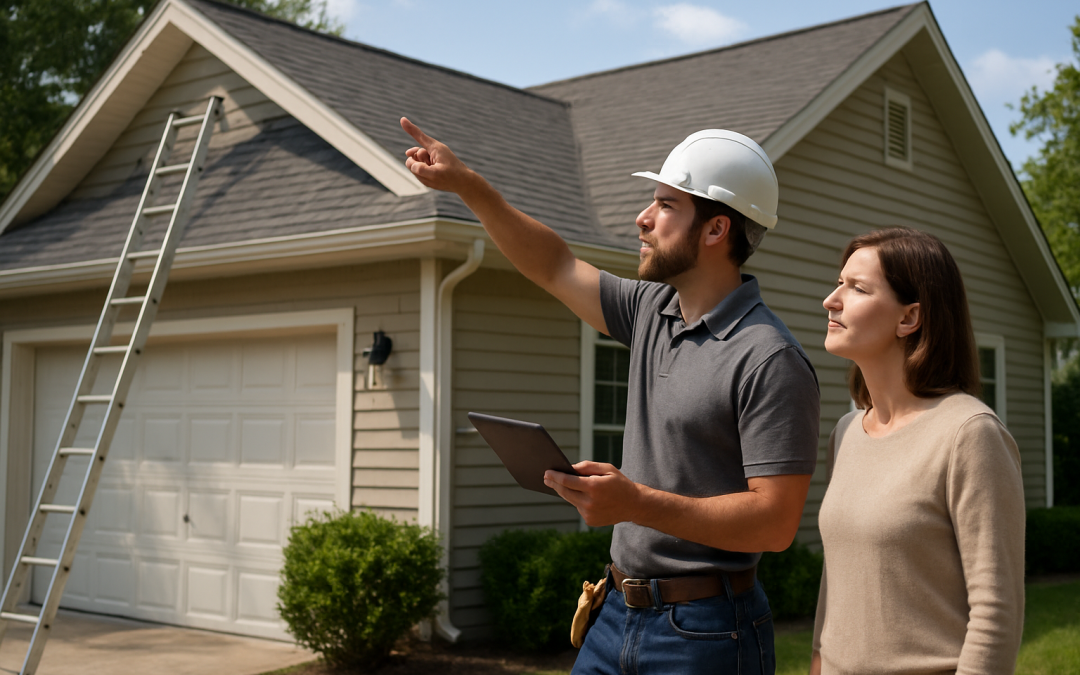
To find the right roofing contractor in your area, start by getting a professional roof inspection, then compare at least two or three local, licensed, and insured roofers with strong reviews and written estimates. A minor repair might cost $150–$1,000 and be done in a day, while a full roof replacement can run $5,000–$15,000+ and take several days. If the damage is from a recent storm, your homeowners insurance may cover part or all of the cost, but coverage depends on your policy and the cause of the damage. When in doubt—especially if you see active leaks, missing shingles, or sagging—treat it as urgent and contact a reputable local roofing company right away.
If you’re searching for “roofing contractors in my area,” you’re probably dealing with a leak, storm damage, or an aging roof and need clear answers fast. This guide is for homeowners who want to understand what’s happening, what it might cost, whether insurance can help, and how to choose the right local roofer. The goal is to help you decide whether to repair, replace, file a claim, or call a contractor immediately—without getting overwhelmed or pressured.
Table of Contents
- What It Means When You Need a Roofing Contractor in Your Area
- Common Reasons You Need a Local Roofing Company
- What to Check First (Safe, From the Ground)
- Signs the Roof Problem Is Serious
- When Homeowners Insurance May Apply
- When to Call a Roofing Contractor in Your Area
- Roof Repair and Replacement Cost Expectations
- Repair vs. Replace: How to Decide
- Timeline: How Fast You Need to Act
- Common Mistakes Homeowners Make with Local Roofers
- How to Choose the Right Roofing Contractor in Your Area
- Frequently Asked Questions
- Summary and Next Steps
What It Means When You Need a Roofing Contractor in Your Area
Needing a roofing contractor usually means your roof is leaking, damaged, or nearing the end of its life. It can also mean you’re planning ahead for a replacement before problems start.
In practical terms, you’re trying to answer a few key questions:
- Is my roof safe and watertight right now?
- Can this be fixed with a simple repair, or do I need a full replacement?
- Will insurance help pay for it, or is this out-of-pocket?
- Which local roofing company can I trust with this work?
A good local roofing contractor will inspect the roof, explain what’s happening in plain language, show you photos, and give you clear options with prices.
Common Reasons You Need a Local Roofing Company
Storm and Weather Damage
Storms are one of the most common reasons homeowners search for roofers in their area. Damage can be obvious or subtle.
- Wind: Missing or lifted shingles, loose flashing, or exposed nail heads.
- Hail: Bruised, cracked, or dented shingles and metal components.
- Heavy rain: Leaks around chimneys, vents, skylights, or in valleys.
- Snow and ice: Ice dams at the eaves causing water to back up under shingles.
Aging or Worn-Out Roof
Even without storms, roofs wear out over time. Most asphalt shingle roofs last about 15–30 years depending on quality, installation, and climate.
- Curled, cracked, or brittle shingles
- Granules from shingles collecting in gutters
- Dark streaks, patches, or bald spots on the roof
- Frequent small leaks or recurring repairs
Installation or Workmanship Issues
Some roof problems come from poor installation or shortcuts taken by previous contractors.
- Improper flashing around chimneys, skylights, and walls
- Insufficient ventilation causing heat and moisture buildup
- Incorrect nailing patterns or underlayment installation
- Unlicensed or uninsured roofers doing substandard work
Other Causes
- Fallen branches or tree impact
- Animal damage (squirrels, raccoons, birds)
- Clogged gutters causing water to back up under shingles
- Previous patch jobs that failed over time
What to Check First (Safe, From the Ground)
You should never climb on your roof if you’re not trained and equipped. However, you can safely check a few things from the ground and inside your home.
Inside Your Home
- Look at ceilings and upper walls for water stains, bubbling paint, or new discoloration.
- Check the attic (if safely accessible) for:
- Damp insulation or wood
- Visible daylight through the roof boards
- Musty smells or mold growth
Outside, From the Ground
- Walk around your home and look for:
- Missing, cracked, or obviously damaged shingles
- Sagging areas on the roof line
- Loose or hanging gutters and downspouts
- Debris on the roof or in the yard after a storm
- Check the ground and gutters for excessive shingle granules.
These checks won’t replace a professional inspection, but they help you describe the problem when you call a roofing contractor in your area.
Signs the Roof Problem Is Serious
Some roof issues can wait a short time; others need immediate attention to avoid major damage.
Emergency or Urgent Signs
- Active water dripping or running inside your home
- Large areas of missing shingles after a storm
- Sagging roof sections or ceiling areas
- Water near electrical fixtures or the breaker panel
- Strong, musty odors and visible mold growth
If you see any of these, treat it as urgent. Call a local roofing company right away and ask about emergency tarping or temporary protection if needed.
Serious but Not Immediate-Emergency Signs
- Recurring leaks in the same area, especially after rain
- Widespread shingle curling, cracking, or bald spots
- Granule loss so heavy that shingles look smooth or shiny
- Multiple past repairs in different areas of the roof
These signs usually mean your roof is near the end of its life or has significant damage. You should schedule an inspection soon and start planning for major repairs or replacement.
When Homeowners Insurance May Apply
Homeowners insurance often helps when roof damage is sudden and accidental, not just from age or wear and tear.
Damage Typically Covered
- Wind damage from storms (missing or torn shingles, damaged flashing)
- Hail damage (bruised shingles, dented vents or metal surfaces)
- Falling objects (like a tree or large branch hitting the roof)
- Fire or certain other covered perils listed in your policy
Coverage depends on your specific policy, your deductible, and the age and condition of your roof before the damage.
Damage Usually Not Covered
- Normal aging and wear
- Neglect or lack of maintenance (e.g., long-term leaks you didn’t address)
- Improper installation or unpermitted work
- Damage from pests or animals in some policies
How to Handle a Potential Claim
- Document the damage with photos and notes as soon as it’s safe.
- Contact your insurance company to ask if the situation is likely covered.
- Schedule a local roofing contractor to inspect the roof and provide a written report and estimate.
- Ask the roofer if they are experienced in working with insurance claims.
One common approach is to have a roofing contractor inspect first, then file a claim with their findings. However, in a major storm event, you may need to file quickly due to time limits in your policy.
Common Claim Mistakes
- Waiting too long to report damage after a storm
- Making permanent repairs before the adjuster sees the damage
- Not getting your own contractor’s opinion and relying only on the adjuster
- Accepting a low payout without understanding the full scope of damage
When to Call a Roofing Contractor in Your Area
In most cases, you should call a local roofing company sooner rather than later. Roof problems rarely improve on their own and often get more expensive over time.
Call Immediately If:
- You have an active leak or water coming into the home
- You see major storm damage or large areas of missing shingles
- The roof or ceiling is sagging
- You suspect structural damage after a tree or heavy impact
Call Within a Few Days If:
- You notice new water stains on ceilings or walls
- You see visible shingle damage from the ground
- Your roof is 15–20+ years old and showing wear
- You’re planning to sell your home and want to avoid surprises
Why Local Matters
- Local contractors understand your area’s weather, building codes, and common roof types.
- They are easier to reach for warranty issues or follow-up service.
- They are more likely to have a reputation to protect in your community.
Roof Repair and Replacement Cost Expectations
Roofing costs vary by location, roof size, pitch (steepness), materials, and the complexity of the job. Still, there are typical ranges that can help you plan.
Typical Cost Ranges
- Minor roof repair: $150–$1,000
- Small leaks, a few missing shingles, minor flashing fixes
- Moderate repair: $1,000–$3,000
- Larger leak areas, multiple sections of damaged shingles, some decking repair
- Major repair: $3,000–$7,000+
- Extensive damage, structural repairs, or large sections of the roof
- Full roof replacement: $5,000–$15,000+ (or more for large or high-end roofs)
- Complete tear-off and replacement of shingles and underlayment
What Affects the Cost
- Roof size: Larger roofs cost more due to more materials and labor.
- Roof pitch: Steeper roofs are harder and slower to work on, increasing labor costs.
- Materials: Basic asphalt shingles cost less than metal, tile, or premium shingles.
- Layers: Removing multiple old layers of shingles adds labor and disposal costs.
- Damage underneath: Rotten or damaged decking and framing increase costs.
- Local labor rates: Prices vary by region and demand (especially after big storms).
When Costs Increase Significantly
- Structural damage to rafters or trusses
- Complex roof designs with many valleys, dormers, or skylights
- Upgrades to higher-end materials or improved ventilation systems
- Code-required upgrades during replacement (e.g., additional underlayment or flashing)
Repair vs. Replace: How to Decide
One of the biggest decisions homeowners face is whether to repair the existing roof or invest in a full replacement. The right choice depends on age, damage, and long-term costs.
When a Repair Usually Makes Sense
- The roof is relatively young (under 10–15 years for asphalt shingles).
- Damage is limited to a small area (for example, a few missing shingles or a single leak point).
- The rest of the roof looks generally healthy and consistent.
- The repair cost is reasonable compared to replacement (for example, under 20–25% of a new roof).
When Replacement Is Often the Better Choice
- The roof is near or past its expected lifespan.
- There are frequent leaks or multiple problem areas.
- Shingles are widely curled, cracked, or losing granules.
- Repairs are becoming more frequent and expensive.
- You plan to stay in the home for many years and want long-term peace of mind.
Financial Considerations
- If insurance is paying for most of a storm-related replacement, it may be smarter to replace than patch.
- Multiple repairs over a few years can easily add up to the cost of a new roof.
- A new roof can improve resale value and reduce the risk of inspection issues when selling.
A trustworthy roofing contractor in your area should explain both options, show you photos, and help you weigh short-term savings against long-term costs.
Timeline: How Fast You Need to Act
Roof issues are time-sensitive, but not every situation is an emergency. Understanding the typical timeline helps you prioritize.
Immediate (Same Day to 48 Hours)
- Active leaks during rain or water entering the home
- Storm damage with large areas of missing shingles
- Structural concerns or sagging
In these cases, ask local roofers about emergency tarping or temporary measures to prevent further damage until full repairs can be done.
Soon (Within 1–2 Weeks)
- New water stains or minor leaks that are currently contained
- Visible shingle damage but no active leak
- Roofs nearing end of life but still mostly watertight
Planning Ahead (1–6 Months)
- Older roofs with cosmetic wear but no leaks yet
- Upgrading roof before selling or remodeling
- Budgeting for a replacement in the near future
Even when you have time, it’s wise to get inspections and quotes early so you’re not rushed into a decision later.
Common Mistakes Homeowners Make with Local Roofers
A roof project is a major investment. Avoiding a few common mistakes can save you money and stress.
Choosing Only by Lowest Price
- The cheapest bid can mean cheaper materials, rushed work, or poor installation.
- Low bids sometimes leave out necessary items that get added later as “extras.”
Not Checking Credentials
- Hiring unlicensed or uninsured roofers exposes you to liability and poor workmanship.
- Always verify licenses, insurance, and local references before signing anything.
For a step-by-step approach to vetting companies, see the guide on how to check roofing contractor credentials.
Signing a Vague or One-Page Contract
- Contracts should clearly list materials, scope of work, cleanup, payment schedule, and warranties.
- Vague agreements make it hard to hold anyone accountable if problems arise.
It can help to review a resource on how to read a roofing contract before you commit.
Falling for High-Pressure Sales Tactics
- “Today only” deals or pressure to sign immediately are red flags.
- You should feel comfortable taking time to compare at least two or three estimates.
Assuming All Warranties Are the Same
- Some warranties cover only materials, not labor.
- Others may be voided by poor installation or lack of maintenance.
Before you decide, it’s wise to understand how roofing warranties work; a detailed guide on how to verify roofing warranties can help you ask the right questions.
How to Choose the Right Roofing Contractor in Your Area
Finding “roofing contractors in my area” is easy; choosing the right one takes a bit more effort. Focus on qualifications, reputation, and communication.
Key Things to Look For
- Local presence: A physical address and history in your community.
- License and insurance: Proper state or local licensing and current liability and workers’ comp coverage.
- Experience: Several years in business and experience with your type of roof.
- Reviews and references: Solid online ratings and recent local references you can contact.
- Clear communication: Willingness to explain issues, show photos, and answer questions.
Getting and Comparing Estimates
- Get at least two or three written estimates from different local companies.
- Make sure each estimate covers:
- Scope of work (repair vs replacement, areas included)
- Materials (brand, type, and warranty level)
- Labor, cleanup, and disposal
- Estimated timeline and start date
- Compare more than just price—look at what is and isn’t included.
For a deeper checklist of what to ask, see the guide on how to choose a roofing contractor and the questions to ask before hiring.
Red Flags to Avoid
- Door-to-door “storm chasers” who appear right after bad weather and push you to sign quickly
- Contractors who ask for large cash payments upfront
- Companies that won’t provide proof of insurance or a written contract
- Estimates that are far lower than others without a clear reason
Frequently Asked Questions
How do I find the best roofing contractor in my area?
Start by asking neighbors or friends for recommendations, then check online reviews and ratings for local companies. Verify each roofer’s license, insurance, and experience, and compare at least two or three detailed written estimates before deciding.
Should I repair my roof or replace it?
If your roof is relatively new and the damage is limited to a small area, a repair is often enough. If the roof is older, has widespread wear, or has recurring leaks, a full replacement may be more cost-effective and reliable in the long run.
Will homeowners insurance pay for my roof replacement?
Insurance may help if the damage is from a covered event like wind, hail, or a fallen tree, but it usually won’t cover normal aging or neglect. The best approach is to have a local roofing contractor inspect the damage and then speak with your insurance company about your specific policy and deductible.
How many quotes should I get from local roofing companies?
Most experts recommend getting at least two or three quotes from reputable local roofers. This helps you understand a fair price range, compare materials and warranties, and spot any bids that seem unusually low or high.
How long does a roof replacement take?
For an average-sized home with an asphalt shingle roof, replacement usually takes one to three days once work begins, depending on weather and complexity. Larger or more complex roofs, or premium materials like tile or metal, can take longer.
Is it safe to wait if my roof is leaking a little?
Even small leaks can quickly lead to mold, damaged insulation, and rotten wood if ignored. It’s best to have a roofing contractor in your area inspect the leak as soon as possible and at least put a temporary fix in place until permanent repairs are made.
Summary and Next Steps
If you’re searching for roofing contractors in your area, you’re likely dealing with leaks, storm damage, or an aging roof that needs attention. The main questions are whether you need a repair or replacement, what it will cost, and whether insurance can help.
Your next steps should be:
- Do a quick, safe visual check inside and outside your home.
- Contact at least two or three reputable local roofing companies for inspections and written estimates.
- Ask each contractor to explain repair vs replacement options and how insurance might apply.
- Compare quotes, materials, warranties, and reputation—not just price.
A professional roof inspection from a trusted local company is the fastest way to know where you stand and what it will realistically cost. By comparing quotes from qualified roofing contractors in your area and acting quickly on serious issues, you can protect your home, control costs, and make a confident decision about repairing or replacing your roof.