
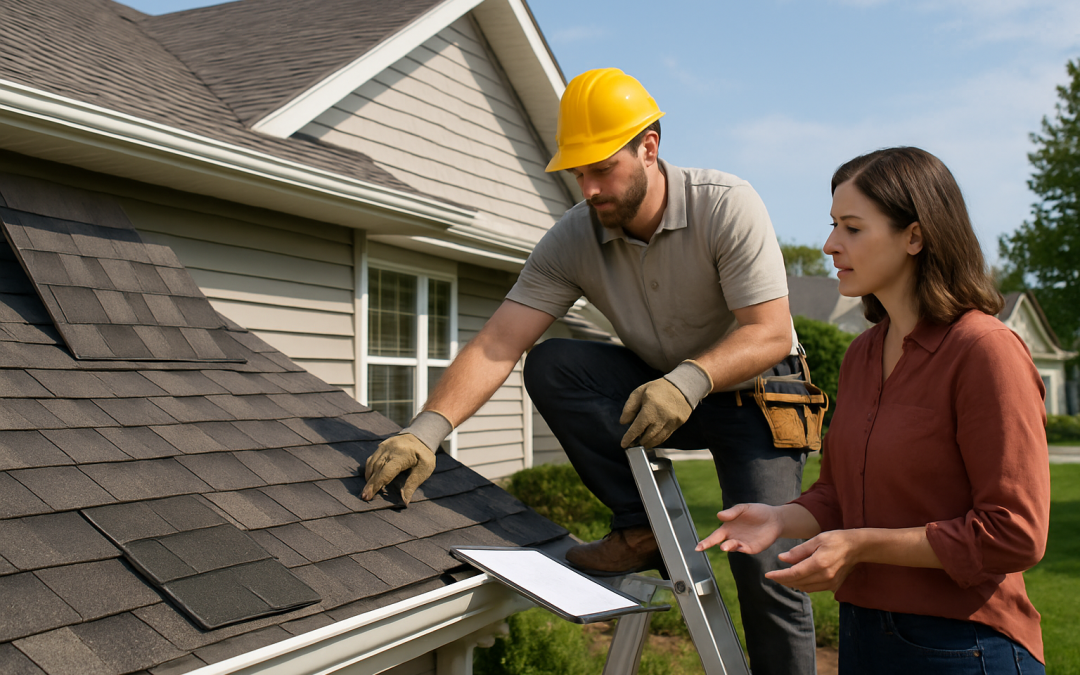
Residential roofing contractors help you decide whether your home needs a roof repair, full replacement, or an insurance claim by inspecting the roof, explaining your options, and giving written estimates. For most homeowners, the right roofing company is one that is licensed, insured, local, and experienced with your type of roof and your specific problem (leaks, storm damage, or aging shingles). Expect a basic repair to start around $150–$1,000 and a full roof replacement to range from about $5,000–$15,000+ depending on size and materials. Exact costs, insurance coverage, and timelines will vary based on your location, roof condition, and how quickly you act after the damage occurs.
If you are seeing leaks, missing shingles, or storm damage, choosing the right residential roofing contractor can feel urgent and stressful. You may be worried about cost, insurance, and whether you really need a new roof or just a repair. This guide is written for homeowners with little roofing experience who want clear, practical steps to protect their home and avoid costly mistakes.
Table of Contents
- What Residential Roofing Contractors Actually Do
- Common Roof Problems and What They Mean
- What to Check First (Safe, From the Ground)
- Signs Your Roof Problem Is Serious
- Roof Repair and Replacement Costs: What to Expect
- Roof Damage and Insurance Claims
- Repair vs. Replace: How to Decide
- How to Choose the Right Residential Roofing Company
- Timeline: How Fast You Need to Act
- Common Mistakes Homeowners Make With Roofing Contractors
- Frequently Asked Questions
- Summary and What to Do Next
What Residential Roofing Contractors Actually Do
Basic role of a residential roofing contractor
A residential roofing contractor is a company or professional that installs, repairs, and replaces roofs on homes. Their job is to keep water out of your house, protect the structure, and extend the life of your roof. A good contractor should inspect your roof, explain what they find in plain language, and give you clear options and pricing.
Typical services they provide
- Roof inspections (after storms, leaks, or as part of regular maintenance)
- Leak detection and repair
- Shingle, tile, or metal roof repairs and replacements
- Flashing, vent, and chimney repairs
- Full roof replacement when the roof is beyond repair or at end of life
- Emergency tarping or temporary protection after major storms
- Help documenting damage for insurance claims (photos, reports, estimates)
How they help you decide repair vs. replacement
A trustworthy roofing contractor will:
- Show you photos or videos of the damage so you can see it yourself
- Explain whether the issue is localized (good candidate for repair) or widespread
- Compare the cost of repair vs. replacement in writing
- Discuss the age of your roof and expected remaining life
- Tell you when a repair is just a short-term patch and not a long-term solution
Common Roof Problems and What They Mean
Leaks and water stains
Water stains on ceilings or walls usually mean water is getting through the roof somewhere. This could be from missing shingles, cracked flashing, or worn-out areas around vents or chimneys. Even a small stain can indicate a bigger problem above the ceiling, such as wet insulation or wood rot.
Missing, curled, or cracked shingles
- Missing shingles often follow strong wind or storm events.
- Curled or cupped shingles usually mean the roof is aging and nearing the end of its life.
- Cracked shingles can be caused by sun exposure, age, or impact from debris.
These issues allow water to work its way under the roofing surface, which can lead to leaks over time.
Granules in gutters or at downspouts
Asphalt shingles have a gritty surface called granules. If you see a lot of these granules in your gutters or at the bottom of downspouts, it can mean your shingles are wearing out. A small amount is normal; heavy loss is a warning sign.
Storm and hail damage
Storms can cause:
- Blown-off shingles
- Hail bruises or dents in shingles and metal components
- Fallen branches that puncture or tear the roof surface
- Lifted or loosened flashing and ridge caps
Some storm damage is obvious from the ground, but hail damage can be subtle and still shorten your roof’s life.
Age-related wear
Most asphalt shingle roofs last about 15–30 years depending on quality, climate, and installation. As roofs age, they become more brittle, lose granules, and are more likely to leak. If your roof is near or past its expected lifespan, repeated repairs may not be cost-effective.
What to Check First (Safe, From the Ground)
Safe visual checks you can do
Without climbing on the roof, you can:
- Walk around your home and look for missing, slipped, or obviously damaged shingles.
- Check for sagging areas or uneven lines along the roof.
- Look for dark streaks, moss, or heavy algae growth, which can indicate moisture issues.
- Inspect gutters from the ground for overflowing water or visible debris buildup.
- Look in your attic (if safely accessible) for wet spots, damp insulation, or daylight showing through the roof boards.
What you should NOT do
- Do not climb onto the roof yourself, especially if it is steep, wet, or high.
- Do not attempt to remove large branches or debris that could shift and cause a fall.
- Do not peel back shingles or try to “patch” with random materials; this can void warranties and cause more damage.
When a quick call is better than more checking
If you see active leaking, ceiling sagging, or significant storm damage, call a roofing contractor right away instead of spending time trying to diagnose it yourself. The longer water gets in, the more expensive the repair becomes.
Signs Your Roof Problem Is Serious
Interior warning signs
- Brown or yellow water stains on ceilings or upper walls
- Peeling paint or bubbling drywall
- Musty smells in the attic or upper floors
- Soft or sagging spots in ceilings
These signs usually mean water has been entering for some time, not just a one-time drip.
Exterior warning signs
- Large areas of missing or damaged shingles
- Visible sagging in the roof line
- Damaged or missing flashing around chimneys, skylights, or vents
- Exposed wood or underlayment
- Multiple layers of old roofing (can make repairs more complex and costly)
Structural and safety concerns
If you notice:
- Ceilings bowing or sagging
- Cracks in interior walls near the roofline
- Persistent leaks in multiple rooms
These can be signs of structural damage. In these cases, you should contact a roofing contractor immediately and avoid placing heavy items in affected areas until inspected.
When you should treat it as an emergency
- Active water pouring in during rain
- Large sections of roof missing after a storm
- Tree or large branch on the roof
- Electrical fixtures getting wet
Emergency tarping or temporary protection may be needed the same day to prevent further damage.
Roof Repair and Replacement Costs: What to Expect
Typical cost ranges
- Minor roof repair: $150–$1,000 (small leaks, a few shingles, minor flashing fixes)
- Moderate repair: $1,000–$3,000 (larger leak areas, multiple sections, some wood replacement)
- Major repair: $3,000–$7,000+ (widespread damage, structural repairs, extensive flashing work)
- Full roof replacement: $5,000–$15,000+ (higher for large homes, premium materials, or complex roofs)
What affects roofing costs
Your final cost depends on:
- Roof size: Larger roofs require more materials and labor.
- Roof pitch (steepness): Steeper roofs are harder and slower to work on.
- Material type: Asphalt shingles are usually the least expensive; metal, tile, and specialty shingles cost more.
- Existing layers: Removing multiple old layers adds labor and disposal costs.
- Extent of damage: Rotted wood, damaged decking, or structural issues increase costs.
- Location and labor rates: Prices vary by region and local demand.
When costs increase significantly
- Hidden damage is found once shingles are removed (rotted decking, mold, structural issues).
- Your roof has many valleys, skylights, chimneys, or complex features that require extra flashing.
- You choose premium materials or upgraded underlayment and ventilation systems.
- Access is difficult (very high roofs, limited driveway access, or tight lot lines).
When repair is no longer worth it
Repair may not be the best choice when:
- Your roof is near the end of its expected lifespan (often 15–30 years for asphalt shingles).
- You have recurring leaks in different areas over a short period.
- The cost of repeated repairs over a few years approaches the cost of a new roof.
- There is widespread shingle failure, not just isolated damage.
In these cases, a full replacement can be more cost-effective and provide better long-term protection.
Roof Damage and Insurance Claims
When homeowners insurance may cover roof damage
Homeowners insurance typically covers sudden and accidental damage, such as:
- Wind damage (blown-off shingles, lifted roof sections)
- Hail damage (bruised or cracked shingles, dented metal)
- Fallen trees or branches due to storms
- Fire or other covered perils listed in your policy
Insurance usually does not cover normal wear and tear, age-related deterioration, or poor maintenance.
How to approach a potential claim
- Document visible damage with clear photos from the ground and inside the home.
- Contact a reputable roofing contractor for an inspection and written estimate.
- Review your policy or call your insurance company to understand your deductible and coverage.
- Decide whether the estimated repair or replacement cost is likely to exceed your deductible.
How to file a roof insurance claim
In general:
- Report the damage to your insurance company as soon as possible after the event.
- Provide photos, dates, and a brief description of what happened (storm, wind, hail, etc.).
- Share the roofing contractor’s estimate and any inspection report with your adjuster.
- Meet the adjuster at your property if possible, and have your contractor there if allowed.
Common mistakes that get claims denied or reduced
- Waiting too long to report damage, which can make it look like neglect.
- Making temporary repairs without documenting the original damage.
- Exaggerating damage or trying to claim unrelated issues.
- Working with “storm chaser” roofers who pressure you into signing before you talk to your insurer.
To avoid storm-related scams, it helps to understand how to avoid storm-chasing roofers before you sign anything.
Working with adjusters vs. contractors
The insurance adjuster works for the insurance company; the roofing contractor works for you. It is often helpful to have a contractor present when the adjuster inspects the roof so they can point out damage and discuss repair or replacement needs. Choose a contractor experienced with insurance work who can provide detailed estimates and photos.
Repair vs. Replace: How to Decide
When a repair is usually enough
Repair is often the right choice when:
- The damage is limited to a small area (for example, a few missing shingles or a single leak point).
- Your roof is relatively new or mid-life and otherwise in good condition.
- The cost of repair is far below your insurance deductible or replacement cost.
- There is no widespread granule loss, curling, or cracking across the roof.
When replacement is the better long-term choice
Consider replacement when:
- Your roof is near or beyond its expected lifespan.
- There are multiple leaks or problem areas in different parts of the roof.
- Shingles are curling, cracking, or losing granules across large sections.
- Repairs would be frequent and add up over the next few years.
- You want to upgrade materials, improve energy efficiency, or increase home value.
How to weigh cost, age, and risk
Ask your roofing contractor:
- How many years of life they realistically think your current roof has left.
- Whether a repair will likely solve the problem for several years or just be a short-term fix.
- What the cost difference is between a solid repair and a full replacement.
- Whether your current roof condition could affect future insurance coverage or resale value.
Insurance claim or pay out of pocket?
Filing a claim may make sense when:
- Storm damage is clear and the repair or replacement cost is well above your deductible.
- There is widespread damage across your roof or neighborhood.
Paying out of pocket may be better when:
- The repair cost is close to or below your deductible.
- The issue is clearly age-related or due to lack of maintenance.
How to Choose the Right Residential Roofing Company
Key qualities of a trustworthy roofing contractor
Look for a contractor who is:
- Licensed and insured in your state (ask for proof of both).
- Local with a physical address and a history in your community.
- Willing to provide references and photos of recent jobs.
- Clear and patient when explaining your options.
- Willing to give a written estimate and scope of work.
For a deeper checklist, see this guide on how to choose a roofing contractor.
Questions to ask before you hire
- How long have you been in business under this name?
- Are you licensed and insured, and can you show proof?
- Who will be on-site supervising the work?
- What warranties do you offer on materials and workmanship?
- How will you protect my property (landscaping, siding, driveway) during the job?
- What is the payment schedule, and do you require a deposit?
Local vs. out-of-town roofers
Local roofing companies are usually easier to reach if there is a problem later and are more familiar with local building codes and weather conditions. Out-of-town or temporary “storm” companies may leave the area after the initial rush of work, making warranty service difficult. You can learn more about the pros and cons in this article on whether it is better to use a local roofing company.
Checking warranties and red flags
Before you sign:
- Ask for written details of both material and workmanship warranties.
- Confirm how to register or verify any manufacturer’s warranty.
- Watch for red flags such as high-pressure sales, no written contract, or requests for full payment up front.
For more detail, see how to verify roofing warranties and what are the red flags for roofers.
Timeline: How Fast You Need to Act
Issues that need same-day or next-day attention
- Active leaks during rain or water dripping from ceilings
- Ceiling sagging or bulging
- Tree or large debris on the roof
- Large areas of missing shingles after a storm
In these cases, call a roofing contractor immediately for emergency service or tarping.
Issues that can wait a short time (but not too long)
- Small, occasional drips in heavy rain
- Isolated missing shingles
- Minor flashing issues or small water stains that are not growing quickly
These should be inspected within days to a couple of weeks. Waiting months can turn a simple repair into a major one.
Planning ahead for roof replacement
If your roof is aging but not yet leaking, you have time to:
- Get multiple estimates and compare options.
- Plan for the best season and timing for replacement.
- Budget and prepare for the cost.
For timing and seasonal cost considerations, see this guide on the best time to replace your roof.
Common Mistakes Homeowners Make With Roofing Contractors
Waiting too long to call a professional
Delaying an inspection after seeing leaks, stains, or storm damage allows water to cause more hidden damage. What could have been a $500–$1,000 repair can quickly become a multi-thousand-dollar project.
Choosing only by lowest price
The cheapest bid is not always the best value. Very low bids can mean:
- Uninsured or unlicensed contractors
- Cut corners on materials or installation
- No real warranty or support if something goes wrong
Paying too much up front
Be cautious about large deposits or paying in full before work is done. A reasonable deposit is common, but most of the payment should be due after work is completed and inspected.
Not getting everything in writing
Always get a written contract that includes:
- Scope of work and materials to be used
- Total price and payment schedule
- Start and estimated completion dates
- Warranty details
This protects both you and the contractor and reduces misunderstandings.
Ignoring small warning signs
Small stains, minor drips, or a few missing shingles may not seem urgent, but they are often early warnings. Addressing them early is almost always cheaper and less stressful than waiting for a major leak.
Frequently Asked Questions
How do I know if I need a roof repair or a full replacement?
If the damage is limited to a small area and your roof is relatively young, a repair is often enough. If your roof is older, has multiple leaks, or shows widespread wear like curling or missing granules, a full replacement may be more cost-effective. A professional inspection is the best way to get a clear answer.
How much does it cost to replace a residential roof?
Most residential roof replacements range from about $5,000–$15,000+, depending on roof size, materials, and complexity. Steep roofs, premium materials, and hidden damage can push costs higher. Getting at least two or three written estimates will give you a realistic range for your specific home.
Will my homeowners insurance pay for a new roof?
Insurance may pay for repair or replacement if the damage is caused by a covered event like wind, hail, or a fallen tree. It usually will not cover normal wear and tear or age-related issues. Your policy details and the adjuster’s inspection will determine what is covered.
How fast should I call a roofing contractor after a storm?
Call as soon as you notice damage or leaks, ideally within a day or two. Quick action helps prevent further damage and makes it easier to document the problem for insurance. Even if you do not see obvious damage, a post-storm inspection can catch hidden issues early.
How do I choose a reliable residential roofing contractor?
Look for a licensed, insured, and local contractor with solid reviews and references. Make sure they provide written estimates, clear explanations, and detailed contracts. Avoid high-pressure sales tactics and anyone who refuses to show proof of insurance or licensing.
Is it safe to go on my roof to check for damage?
In most cases, it is safer to stay on the ground and inspect visually or from a window. Roofs can be slippery, steep, and unstable, especially after storms. Leave climbing and close-up inspections to trained roofing professionals with proper safety equipment.
Summary and What to Do Next
Most residential roof problems start small—missing shingles, minor leaks, or storm damage—and grow into expensive repairs if ignored. The right roofing contractor will inspect your roof, explain what is happening in simple terms, and help you decide whether to repair, replace, or file an insurance claim. Costs can range from a few hundred dollars for minor repairs to tens of thousands for full replacement, depending on your roof and the damage.
Your next steps should be:
- Do a safe visual check from the ground and inside your home for leaks or stains.
- Contact a reputable local residential roofing contractor for a professional inspection.
- Ask for written estimates that clearly compare repair vs. replacement options.
- Review your insurance policy and decide whether a claim makes sense.
A timely, professional roof inspection can prevent small issues from turning into major structural problems. By comparing quotes from qualified residential roofing contractors and acting quickly when you see signs of roof damage, you can protect your home, control costs, and make a confident decision about repair, replacement, or an insurance claim.