
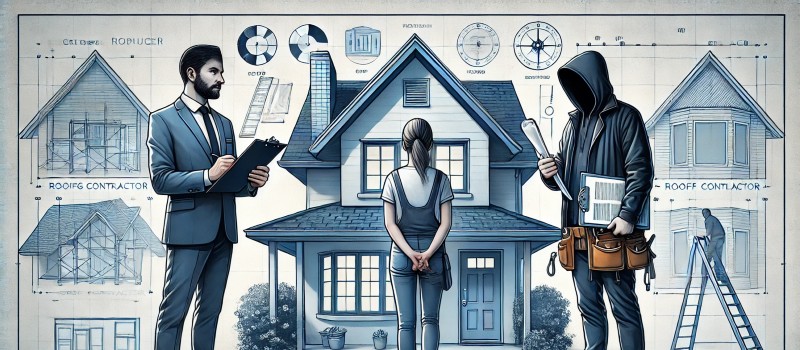
When a storm hits, the last thing you want is to be taken advantage of by unscrupulous roofers. Storm-chasing roofers often appear after severe weather, offering quick fixes that can lead to more problems down the road. This guide will help you recognize these opportunists and protect your home and wallet.
Table of Contents
- Understanding Storm-Chasing Roofers
- Step-by-Step Guide to Roofing Repairs
- Practical Homeowner Tips
- Common Mistakes to Avoid
- Safety Notes and Contractor Guidance
- Summary
- Frequently Asked Questions
Understanding Storm-Chasing Roofers
Storm-chasing roofers are contractors who travel to areas affected by storms, often without local ties or licenses. They typically offer services at lower prices to attract homeowners desperate for repairs. Unfortunately, many of these roofers do not deliver quality work, leaving you with a bigger problem than you started with.
Step-by-Step Guide to Roofing Repairs
1. Inspect Your Roof
After a storm, check your roof for damage. Look for:
- Missing shingles
- Cracks or holes
- Water stains on ceilings or walls
If you feel comfortable, use a ladder to get a closer look. If not, consider hiring a professional for a thorough inspection.
2. Document the Damage
Take clear photos of any damage. This documentation will be helpful for insurance claims and when discussing repairs with contractors.
3. Get Multiple Quotes
Contact at least three roofing contractors to get quotes. Be wary of anyone who pressures you to sign a contract immediately. A reputable contractor will give you time to make a decision.
4. Check Credentials
Verify that the contractors are licensed and insured. You can check their status with your states licensing board. Ask for references and read online reviews to gauge their reputation.
5. Review the Contract
Before signing, read the contract carefully. It should include:
- Scope of work
- Materials to be used
- Timeline for completion
- Total cost
Never pay the full amount upfront. A deposit is standard, but the final payment should be made only after the work is completed to your satisfaction.
Practical Homeowner Tips
Here are some tips to help you avoid storm-chasing roofers:
- Trust local contractors. They are more likely to have a reputation to uphold in your community.
- Ask for a written estimate. This protects you from unexpected costs.
- Look for warranties. A good contractor will offer warranties on both materials and workmanship.
- Be cautious of door-to-door solicitations. If someone approaches you after a storm, do your research before agreeing to anything.
Common Mistakes to Avoid
Homeowners often make mistakes that can lead to poor roofing choices:
- Rushing into a decision. Take your time to research and compare options.
- Ignoring the fine print. Always read contracts carefully.
- Choosing based solely on price. The cheapest option may not be the best in terms of quality.
Safety Notes and Contractor Guidance
When dealing with roofing repairs, safety should always be a priority:
- Ensure the contractor follows safety protocols. They should have proper equipment and safety gear.
- Be aware of weather conditions. Avoid scheduling work during inclement weather.
- Consider the materials used. High-quality materials may have a higher upfront cost but can save you money in the long run due to durability.
Summary
By understanding how to avoid storm-chasing roofers, you can protect your home from subpar work and unnecessary expenses. Always conduct thorough research, get multiple quotes, and choose a reputable contractor. With careful planning, you can ensure your roofing needs are met effectively and safely.
Frequently Asked Questions
1. What should I do if I suspect my roof has storm damage?
Inspect your roof for visible damage and document it with photos. Contact a licensed roofer for a professional inspection.
2. How can I find a reputable roofing contractor?
Ask for recommendations from friends or neighbors, check online reviews, and verify their licensing and insurance.
3. Is it safe to climb on my roof to inspect it?
If you are not comfortable or experienced, its best to leave roof inspections to professionals to avoid accidents.
4. What should I include in a roofing contract?
Your contract should detail the scope of work, materials, timeline, and total cost. Ensure its clear and comprehensive.
5. How can I protect myself from storm-chasing roofers?
Research contractors thoroughly, get multiple quotes, and avoid making hasty decisions, especially after a storm.
6. What are the signs of a bad roofing contractor?
Red flags include high-pressure sales tactics, lack of proper licensing, and refusal to provide written estimates or contracts.
By following these guidelines, you can feel confident in your choices and ensure your roofing needs are met with integrity and quality.