
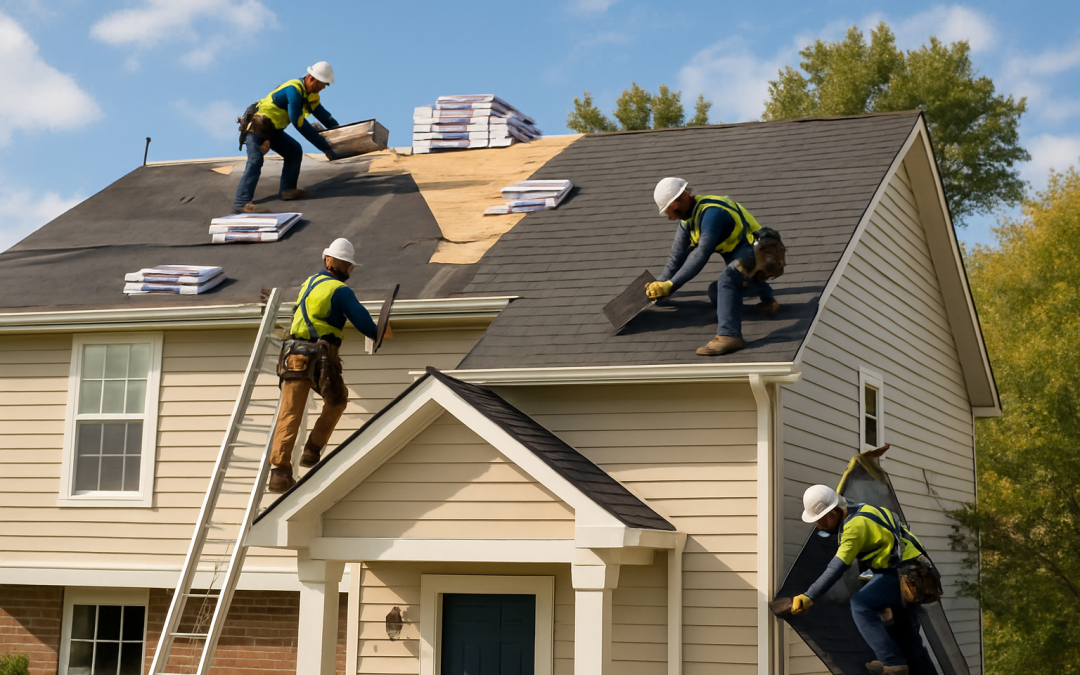
Best Time to Replace Your Roof: Seasonal Costs, Contractor Availability & When You’ll Save the Most
The best time to replace your roof is usually late winter through early spring or late fall, when contractors are less busy and prices are often more flexible. Summer and right after big storms are the most expensive and hardest times to get on a roofer’s schedule. A full roof replacement typically ranges from $5,000–$15,000+ depending on size, materials, and location, and scheduling during off-peak seasons can sometimes save you 5–15%. Weather, local demand, and how urgent your roof damage is can limit how much you can “time” the project, especially if you already have active leaks.
If you’re a homeowner dealing with roof leaks, storm damage, or an aging roof, timing your replacement can make a real difference in cost and stress. This guide explains how seasons affect roofing prices, contractor availability, and your options to repair, replace, or file an insurance claim. The goal is to help you make a calm, informed decision—not just rush into the first quote you get.
Table of Contents
- What “Best Time to Replace Your Roof” Really Means
- Season-by-Season Breakdown: Pros, Cons & Costs
- What to Check First Before You Decide on Timing
- Signs Your Roof Replacement Can’t Wait
- Repair vs. Replace: Does Timing Even Matter?
- Roof Replacement Cost Expectations by Season
- When Insurance May Help Pay for Your Roof
- Contractor Availability & How Far Ahead to Book
- Common Timing Mistakes Homeowners Make
- Decision Guide: What You Should Do Next
- Frequently Asked Questions
- Summary & Next Steps
What “Best Time to Replace Your Roof” Really Means
“Best time” can mean different things depending on your situation:
- Best time to save money: Often late winter, early spring, or late fall when demand is lower.
- Best time for fastest scheduling: Off-peak months when contractors aren’t booked out for weeks.
- Best time for installation quality: Mild, dry weather where shingles seal properly and crews can work safely.
- Best time for you personally: When you can budget for it and avoid major life events or holidays.
If your roof is leaking badly or has serious storm damage, the “best time” is simply as soon as possible. Waiting for a cheaper season can lead to interior damage, mold, and higher repair costs later.
Season-by-Season Breakdown: Pros, Cons & Costs
Spring Roof Replacement (March–May)
Pros:
- Mild temperatures are ideal for shingle sealing and crew safety.
- You fix winter damage before heavy summer storms.
- Good balance between availability and weather in many areas.
Cons:
- Early spring can still be rainy, causing schedule delays.
- Demand starts to pick up, especially after winter storms.
Best for: Homeowners who noticed winter leaks, missing shingles, or ice dam damage and want to address it before summer storms.
Summer Roof Replacement (June–August)
Pros:
- Longer daylight hours mean jobs can be completed quickly.
- Warm temperatures help asphalt shingles seal well.
Cons:
- Peak season: higher prices and longer wait times.
- Extreme heat in some regions can slow crews and affect working conditions.
- Storm season in many areas can cause sudden schedule changes.
Best for: Urgent replacements you can’t delay, or when you need the project done while kids are out of school or you’re off work.
Fall Roof Replacement (September–November)
Pros:
- Generally considered one of the best seasons for roofing in many climates.
- Cool, stable weather helps with installation quality.
- You go into winter with a solid, leak-free roof.
Cons:
- High demand—many homeowners “wait for fall,” so contractors can be booked.
- Late fall can bring early snow or cold snaps in some areas.
Best for: Planned replacements where you can schedule a month or two ahead and want the roof ready for winter.
Winter Roof Replacement (December–February)
Pros:
- Often the slowest season for roofers in cold climates.
- Potentially more flexible pricing and scheduling.
- Good time in warmer regions where winter is mild and dry.
Cons:
- Very cold temperatures can affect shingle flexibility and sealing.
- Snow, ice, and short days can cause delays and safety concerns.
- Some materials have minimum temperature requirements for installation.
Best for: Non-emergency replacements in milder climates, or when you want to negotiate more on price and your contractor is comfortable with winter work.
What to Check First Before You Decide on Timing
Before you decide whether to replace your roof now or wait for a “better” season, do a few safe, ground-level checks:
- Inside your home:
- Look at ceilings and upper walls for water stains, bubbling paint, or new discoloration.
- Check the attic (if safely accessible) for damp insulation, visible daylight through the roof, or musty smells.
- Outside from the ground:
- Scan for missing, curled, or cracked shingles.
- Look for sagging areas or dips in the roof line.
- Check gutters for large amounts of shingle granules (they look like coarse sand).
If you see active leaks, sagging, or widespread shingle damage, timing becomes less about saving money and more about preventing further damage.
Signs Your Roof Replacement Can’t Wait
Some roof problems are serious enough that waiting for a cheaper season is risky. Call a roofing contractor quickly if you notice:
- Active leaks during or after rain, especially if:
- Water is dripping from ceilings or light fixtures.
- You see multiple water stains growing over time.
- Structural concerns:
- Visible sagging in the roof deck.
- Soft spots in ceilings or around roof penetrations (vents, chimneys).
- Major storm damage:
- Large sections of missing shingles.
- Exposed wood or underlayment.
- Tree limbs or debris that hit the roof.
- Widespread aging:
- Shingles that are brittle, curling, or losing most of their granules.
- Roof is 18–25+ years old (for typical asphalt shingles) and showing wear.
In these cases, delaying for a “better” season can lead to:
- Interior drywall damage and repainting costs.
- Insulation replacement and possible mold remediation.
- Higher overall repair or replacement bills later.
Repair vs. Replace: Does Timing Even Matter?
Before you worry about the perfect month, decide whether you actually need a full replacement or just a repair.
When a Roof Repair May Be Enough
Repairs are often reasonable when:
- Damage is limited to a small area (for example, a few missing shingles).
- The rest of the roof is in fair to good condition.
- Your roof is relatively young (under 10–12 years for asphalt shingles).
Typical repair cost ranges:
- Minor repair: $150–$1,000 (small leaks, a few shingles, minor flashing work).
- Moderate repair: $1,000–$3,000 (larger leak areas, multiple sections, some decking repair).
- Major repair: $3,000–$7,000+ (significant sections, structural or decking issues).
Repairs can usually be done quickly in almost any season, as long as weather allows safe work.
When a Full Roof Replacement Makes More Sense
Replacement is usually the smarter long-term choice when:
- The roof is near or past its expected lifespan.
- There are leaks in multiple areas.
- Shingles are worn out across most of the roof.
- Repairs are quoted at more than 30–40% of a full replacement cost.
Typical full roof replacement cost:
- Full replacement: $5,000–$15,000+ depending on:
- Roof size and complexity (number of levels, valleys, and penetrations).
- Material (basic asphalt vs. premium shingles, metal, tile, etc.).
- Local labor rates and disposal fees.
For older roofs, putting off replacement just to hit a “better” season can mean paying for multiple repairs in the meantime.
Roof Replacement Cost Expectations by Season
While exact prices depend on your home and location, season and demand can influence what you pay.
How Season Affects Roof Replacement Cost
Costs can shift due to:
- Demand: Busy seasons (summer, early fall, post-storm) often mean less room for discounts.
- Labor availability: When crews are stretched thin, overtime and scheduling pressures can raise bids.
- Material pricing: After major storms, shingle and material prices can temporarily spike.
In many markets, you may see:
- Off-peak savings: 5–15% potential savings in slower months (late winter, early spring, late fall) compared to peak summer or post-storm periods.
- Storm surge pricing: Higher quotes when everyone in your area is calling roofers at once.
When Costs Increase Significantly
Your roof replacement cost can jump if:
- Rotten or damaged decking is discovered and must be replaced.
- Your roof has multiple layers of old shingles that must be torn off.
- You choose premium materials or upgraded underlayments and ventilation.
- Your home has a steep or complex roof that requires more labor and safety equipment.
This is why a detailed, written estimate that explains what’s included—and what could cost extra—is important.
When Insurance May Help Pay for Your Roof
Timing your roof replacement is different if storm damage or another sudden event is involved, because homeowners insurance may help.
When Homeowners Insurance Typically Applies
Insurance may cover roof repairs or replacement when damage is caused by:
- Windstorms or tornadoes.
- Hail impacts.
- Falling trees or branches.
- Fire or other covered perils listed in your policy.
Insurance usually does not cover:
- Normal wear and tear or age-related deterioration.
- Long-term neglect or lack of maintenance.
- Pre-existing issues that weren’t addressed.
How Timing Affects Insurance Claims
With insurance, timing matters in a different way:
- Most policies require you to report damage promptly after a storm.
- Waiting too long can make it harder to prove the cause and date of damage.
- Insurers may argue that additional damage was due to delay or lack of temporary protection (like tarps installed by a professional).
If you suspect storm damage, it’s usually better to:
- Get a professional inspection quickly.
- File a claim promptly if the roofer believes the damage is storm-related.
- Let the claim process guide your timing rather than waiting for a cheaper season.
Common Insurance Claim Mistakes
Homeowners often run into trouble when they:
- Try to repair or replace the roof before involving their insurer, then seek reimbursement later.
- Don’t document damage with photos and dates.
- Rely only on the adjuster’s quick look instead of also getting a roofer’s detailed inspection.
- Sign contracts or financing agreements without understanding what the insurance will actually pay.
It can help to work with a reputable roofing contractor who has experience with insurance work and can explain the process clearly.
Contractor Availability & How Far Ahead to Book
Even if you pick the “perfect” season, you still need a contractor who can fit you in.
Typical Scheduling by Season
- Spring: 1–4 weeks out, depending on how harsh the previous winter was.
- Summer: 2–8+ weeks out in busy markets, especially after storms.
- Fall: 2–6 weeks out; many homeowners rush to finish before winter.
- Winter: A few days to a few weeks out in many areas, but weather can cause rescheduling.
For planned replacements (not emergencies), aim to:
- Start getting quotes 1–3 months before your ideal installation window.
- Ask each contractor about their current schedule and how they handle weather delays.
Choosing the Right Roofing Contractor
Availability is important, but so is quality and protection. Before you sign anything, make sure you:
- Verify the roofer’s license and insurance with your state or local authority.
- Check reviews and ask for references.
- Understand the workmanship and material warranties in writing.
For a step-by-step approach to vetting roofers, see this guide on how to check a roofer’s license and insurance. You can also use resources like finding the best roofing company near you to compare options in your area.
Common Timing Mistakes Homeowners Make
Trying to time your roof replacement perfectly can backfire. Here are common mistakes to avoid:
- Waiting too long with active leaks: Trying to hold out for a cheaper season while water is already getting in.
- Rushing into the first quote after a storm: Hiring whoever shows up first without checking credentials.
- Assuming all damage can wait: Ignoring signs like sagging, soft spots, or repeated leaks.
- Scheduling only around personal convenience: Delaying months for vacations or events while the roof worsens.
- Letting a “sale” dictate timing: Falling for high-pressure tactics instead of comparing multiple quotes.
Balancing urgency, cost, and contractor quality is more important than hitting a specific month on the calendar.
Decision Guide: What You Should Do Next
Use this simple framework to decide your next step:
1. Is There Active or Recent Water Intrusion?
- Yes, there are leaks or new stains:
- Call a roofing contractor soon (within days).
- Focus on stopping damage first; timing for savings is secondary.
- No leaks, just age or minor wear:
- Schedule inspections and quotes in an off-peak season if possible.
- Plan replacement within the next 6–12 months if the roof is near end of life.
2. Is the Damage Likely Storm-Related?
- Yes (hail, wind, fallen tree):
- Get a professional inspection quickly.
- Consider filing an insurance claim if the roofer confirms storm damage.
- Let the claim process guide your timing rather than waiting for a different season.
- No, it’s age or wear:
- Insurance probably won’t help; focus on budgeting and timing for cost and convenience.
3. Repair or Replace?
- Choose repair if:
- Damage is limited and the roof is relatively young.
- Repair costs are clearly lower than replacement and the roofer is confident in the fix.
- Choose replacement if:
- The roof is near the end of its life or has widespread issues.
- Repairs are quoted at more than 30–40% of a new roof.
- You plan to stay in the home and want long-term peace of mind.
4. When to Contact a Roofing Contractor
You should contact a roofing contractor when:
- You see any signs of leaks, sagging, or major shingle loss.
- Your roof is 18–25+ years old and hasn’t been inspected recently.
- A major storm has passed and neighbors are getting roof work done.
Get at least two to three written estimates. For help interviewing roofers, see this guide on how to choose a roofing contractor and what to ask before hiring.
Frequently Asked Questions
What is the absolute best month to replace a roof?
There is no single “best” month for every home, but in many areas, September and October offer a good mix of mild weather and reasonable availability. However, if your roof is leaking or badly damaged, the best month is simply the earliest safe time a qualified contractor can do the work.
Is it cheaper to replace a roof in winter?
In some markets, winter can be slightly cheaper because demand is lower and contractors are more flexible. However, very cold or snowy conditions can limit when work can be done, and not all contractors are comfortable installing certain materials in low temperatures.
How far in advance should I schedule a roof replacement?
For a planned replacement, aim to start getting quotes 1–3 months before your ideal installation window. In peak season or busy markets, you may need to book even earlier to get your preferred contractor and timing.
Should I wait for spring to replace an old roof?
If your roof is old but not leaking, waiting for spring or fall can be reasonable and may offer better weather. If you already have leaks or visible damage, it’s usually better to address it sooner, even if that means a less “ideal” season.
Does insurance care what season I replace my roof?
Insurance companies care more about cause of damage and how quickly you report it than the season of replacement. What matters is that you document storm damage promptly, file a claim within required timeframes, and prevent further damage as best you can.
Can I get a roof replaced during the rainy season?
Yes, but your contractor will need to schedule around weather and may cover exposed areas carefully during the project. Expect possible delays, and work with a roofer who has a clear plan for protecting your home if rain moves in unexpectedly.
Summary & Next Steps
The best time to replace your roof is when you can balance roof condition, weather, contractor availability, and your budget. Spring and fall are often ideal for quality and comfort, while late winter and late fall can offer better pricing in some areas. If you have active leaks, sagging, or storm damage, timing for savings becomes less important than stopping further damage and protecting your home.
Your next step should be to get a professional roof inspection, especially if you’ve seen leaks, stains, or storm impacts. Compare written quotes from a few reputable contractors, ask about seasonal scheduling, and decide whether repair, replacement, or an insurance claim makes the most sense for your situation. Acting promptly—rather than waiting for the “perfect” month—usually saves money and stress in the long run.
If you’re unsure about a contractor’s behavior or feel pressured on timing, resources like how to spot high-pressure roofing sales tactics can help you protect yourself and make a confident decision.