
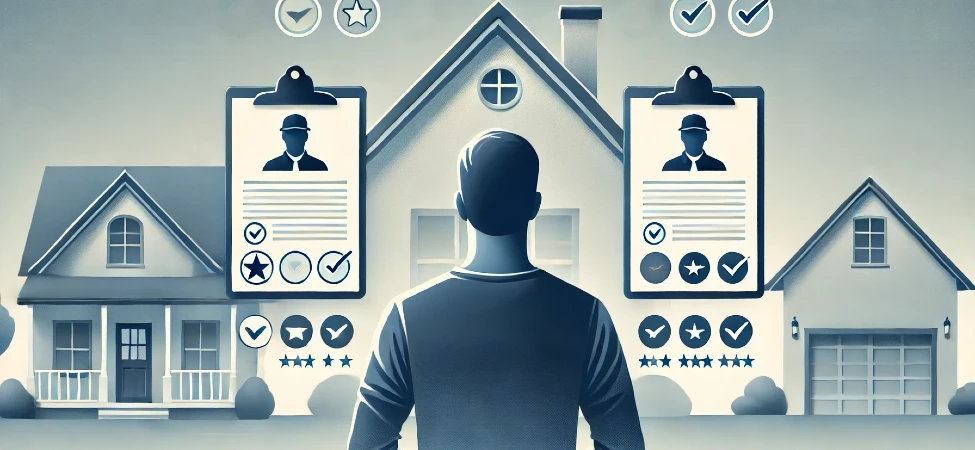
When it comes to roofing projects, ensuring that your contractor is licensed and insured is crucial. This not only protects you but also guarantees that the work meets local standards. In this article, we will guide you through the steps to check a roofer’s license and insurance, helping you make informed decisions for your home.
Table of Contents
- Step-by-Step Process to Check a Roofer’s License and Insurance
- Practical Homeowner Tips
- Common Mistakes to Avoid
- Safety Notes and Contractor Guidance
- Summary
- Frequently Asked Questions
Step-by-Step Process to Check a Roofer’s License and Insurance
1. Verify the Roofer’s License
Before hiring a roofer, you should confirm that they have a valid license. Heres how:
- Ask for the License Number: When you contact a roofer, request their license number. This is typically displayed on their business card or website.
- Visit Your States Licensing Board Website: Each state has a licensing board where you can check if the roofer’s license is valid. Look for a section on contractor licenses.
- Enter the License Number: Use the provided search tool on the website to enter the roofer’s license number. This will show you their licensing status, including any complaints or disciplinary actions.
2. Check for Insurance Coverage
Insurance is just as important as licensing. Heres how to verify a roofers insurance:
- Request Proof of Insurance: Ask the roofer for a copy of their insurance certificate. This should include general liability and workers’ compensation coverage.
- Contact the Insurance Company: To ensure the policy is active, call the insurance company listed on the certificate. They can confirm the coverage and its validity.
- Check Coverage Limits: Make sure the insurance coverage is adequate for your project. For roofing, a minimum of $1 million in liability coverage is often recommended.
Practical Homeowner Tips
Here are some tips to keep in mind when checking a roofer’s credentials:
- Get Multiple Quotes: Always get at least three quotes from different roofers. This helps you compare prices and services.
- Read Reviews: Look for reviews online or ask for references from past clients. This can give you insight into the roofer’s reliability and quality of work.
- Check for Local Experience: Choose a roofer who has experience in your area. They will be familiar with local building codes and weather conditions.
Common Mistakes to Avoid
When hiring a roofer, avoid these common pitfalls:
- Skipping the License Check: Always verify a roofer’s license. Hiring an unlicensed contractor can lead to poor workmanship and legal issues.
- Ignoring Insurance Verification: Failing to check insurance can leave you liable for accidents that occur on your property.
- Choosing Based Solely on Price: The lowest bid isn’t always the best. Consider the quality of materials and the reputation of the contractor.
Safety Notes and Contractor Guidance
Safety is paramount during any roofing project. Here are some considerations:
- Ensure Safety Protocols: A reputable roofer will follow safety protocols, including using harnesses and scaffolding when necessary.
- Discuss Material Choices: Talk to your roofer about the materials they plan to use. Quality materials can prevent future issues and save you money in the long run.
- Review the Contract: Before work begins, review the contract thoroughly. It should outline the scope of work, materials used, timeline, and payment schedule.
Summary
Checking a roofer’s license and insurance is a crucial step in ensuring your roofing project is handled professionally. By following the steps outlined in this article, you can protect yourself and your investment. Remember to ask for documentation, verify it, and choose a contractor who communicates openly and honestly.
Frequently Asked Questions
1. Why is it important to check a roofer’s license?
Checking a roofer’s license ensures that they are qualified and adhere to local building codes, which protects you from potential legal issues.
2. What type of insurance should a roofer have?
A roofer should have general liability insurance and workers’ compensation insurance to cover any accidents or damages that may occur during the project.
3. How can I find reviews for a roofing contractor?
You can find reviews on websites like Google, Yelp, or Angie’s List. Additionally, ask the contractor for references from previous clients.
4. What if a roofer refuses to provide their license or insurance information?
If a roofer refuses to provide this information, its a red flag. Consider looking for another contractor who is transparent and willing to share their credentials.
5. How can I ensure the materials used are of good quality?
Discuss material options with your roofer and ask about warranties. Research the materials they propose to ensure they meet industry standards.
6. What should I do if I have a problem after the roofing job is completed?
If you have issues after the job, contact the contractor immediately. Most reputable roofers will offer a warranty on their work and will address any problems that arise.
By taking the time to check a roofer’s license and insurance, you can feel confident in your choice of contractor. This diligence ensures your roofing project will be completed safely and effectively, giving you peace of mind for years to come.