
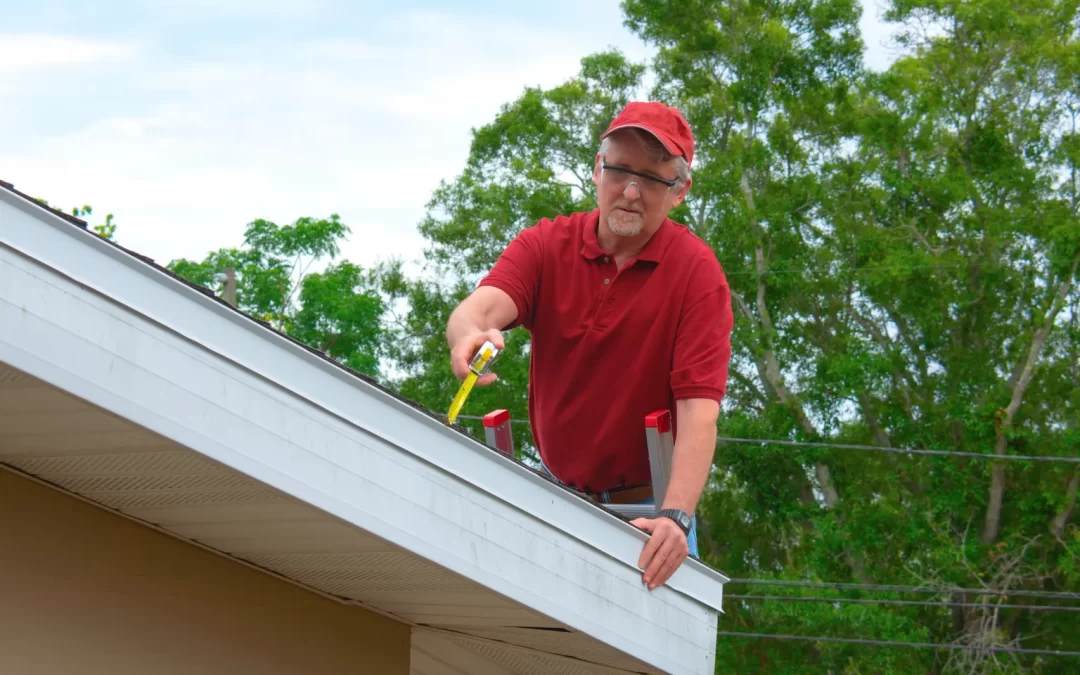
Roofing quotes are estimates of what it will cost to repair or replace your roof, based on your roof size, materials, labor, and how complex the job is. For most homes, minor repairs can run a few hundred dollars, while full roof replacement often ranges from about $5,000 to $15,000 or more. A good quote clearly lists materials, labor, warranties, and any extras so you can compare contractors fairly. Exact pricing can’t be guaranteed until a roofer inspects your roof in person and checks for hidden damage.
If you’re dealing with leaks, storm damage, or an aging roof, understanding how roofing quotes work can save you money and stress. This guide is written for homeowners who don’t speak “roofing” and need clear, practical help. You’ll learn what affects roof pricing, how to compare quotes, when insurance may help, and how to decide whether to repair, replace, or call a contractor right away.
Table of Contents
- How Roofing Quotes Work
- What Affects Roof Repair and Replacement Cost
- What to Check First on Your Roof (From the Ground)
- Signs Your Roofing Problem Is Serious
- Roof Repair vs. Replacement: How to Decide
- Typical Roofing Cost Ranges
- Insurance, Storm Damage, and Roofing Quotes
- How to Compare Roofing Quotes and Contractors
- Common Homeowner Mistakes with Roofing Quotes
- Decision Guide: Repair, Replace, File a Claim, or Call a Roofer
- Frequently Asked Questions
- Summary and Next Steps
How Roofing Quotes Work
What a Roofing Quote Actually Is
A roofing quote is a written estimate of what a contractor expects to charge to fix or replace your roof. It should break down materials, labor, and any additional services like tear-off, disposal, or permits.
Good quotes are detailed and easy to understand. They explain what is included, what is not included, and what could change the final price (for example, hidden rotten wood under shingles).
What a Good Roofing Quote Should Include
At minimum, a clear roofing quote should list:
- Type of work: repair, partial replacement, or full replacement
- Roofing material: asphalt shingles, metal, tile, etc.
- Scope of work: tear-off, number of layers removed, underlayment, flashing, vents, etc.
- Labor cost and estimated number of days on site
- Material brands and product names (shingles, underlayment, ice & water shield)
- Warranty details: manufacturer warranty and workmanship warranty
- Cleanup and disposal: dumpster, debris removal, magnet sweep for nails
- Payment schedule and accepted payment methods
Why Quotes from Different Roofers Can Vary So Much
It’s common to see a wide range of prices for the same roof. Reasons include:
- Different labor rates and overhead costs
- Using higher- or lower-quality materials
- Including or excluding important items (flashing, ventilation, wood replacement)
- How carefully they inspected your roof and attic
- How busy the contractor is and how soon you need the work done
The cheapest quote is not always the best value if it cuts corners or leaves out critical work.
What Affects Roof Repair and Replacement Cost
Key Factors That Drive Roofing Prices
Several main factors determine your roof quote:
- Roof size: Larger roofs require more materials and labor.
- Roof pitch (steepness): Steeper roofs are harder and slower to work on, increasing labor costs.
- Roof complexity: Valleys, hips, dormers, skylights, and chimneys add time and materials.
- Material type: Asphalt shingles are usually the least expensive; metal, tile, and slate cost more.
- Existing layers: Removing multiple layers of old shingles costs more than a single layer.
- Condition of wood decking: Rotten or damaged wood must be replaced, adding cost.
- Local labor rates: Prices vary by region and even by neighborhood.
- Access and height: Difficult access, tall homes, or obstacles can increase labor time.
Repair vs. Replacement Cost Drivers
For repairs, cost is usually driven by:
- Size of the damaged area
- Location of the damage (near a valley, chimney, or wall is more complex)
- Cause of damage (storm impact vs. slow wear and tear)
- Whether interior repairs (drywall, insulation) are needed
For replacements, cost is driven by:
- Total roof area and number of stories
- Material choice and quality level
- Upgrades like better underlayment, ice & water shield, or improved ventilation
- Local building code requirements
When Costs Increase Significantly
Your roofing quote may jump higher when:
- There is extensive rotten wood or structural damage
- Your roof is very steep or has many angles and features
- You choose premium materials like standing seam metal or high-end shingles
- There is asbestos or other hazardous material that requires special handling
- You need emergency service after a major storm when demand is high
What to Check First on Your Roof (From the Ground)
Safe Visual Checks You Can Do Yourself
You should never climb onto your roof if you’re not trained and equipped. Instead, do these safe checks from the ground or inside your home:
- Walk around your home and look for missing, curled, or cracked shingles.
- Check for dark streaks, sagging areas, or shiny spots that look different from the rest of the roof.
- Look at gutters and downspouts for shingle granules (small, sand-like particles).
- From the attic (if safe to enter), look for damp insulation, water stains, or daylight coming through the roof boards.
What These Signs Usually Mean
- Missing or lifted shingles: Wind damage or aging; may be repairable if limited.
- Granules in gutters: Normal aging, but heavy loss can mean shingles are near the end of their life.
- Water stains on ceilings or walls: Active or past leaks that need prompt attention.
- Sagging roof lines: Possible structural issues; this is serious and needs professional evaluation.
Signs Your Roofing Problem Is Serious
Urgent Warning Signs
Call a roofing contractor quickly if you notice:
- Active dripping or water running inside your home
- Large areas of ceiling sagging or bulging
- Multiple leaks in different rooms
- Visible daylight through the roof in your attic
- A tree limb or large debris that has hit or penetrated the roof
These issues can lead to mold, electrical hazards, and structural damage if not handled promptly.
Serious but Not Always Emergency Signs
- Widespread shingle curling, cracking, or bald spots
- Chronic leaks that have been “patched” multiple times
- Roof older than 20–25 years (for typical asphalt shingles)
- Significant hail damage (dents, bruises, or missing granules)
These usually mean your roof is near the end of its life and replacement may be more cost-effective than repeated repairs.
Roof Repair vs. Replacement: How to Decide
When a Roof Repair Makes Sense
Repair is often the better choice when:
- The damage is limited to a small area (for example, a few missing shingles or a single leak point).
- Your roof is relatively young and in otherwise good condition.
- The cause is clear and fixable (like a damaged flashing or a small puncture).
- The repair cost is low compared to replacement and will reasonably extend the roof’s life.
When Roof Replacement Is the Better Investment
Full replacement is usually smarter when:
- Your roof is 15–25+ years old, depending on material and climate.
- There are multiple leaks or widespread shingle damage.
- Repairs are becoming frequent and costly.
- There is significant underlying wood damage or poor ventilation.
- You plan to sell your home soon and want to avoid inspection issues.
At a certain point, putting more money into repairs is like patching an old tire that keeps going flat. A new roof can provide better protection, energy efficiency, and peace of mind.
How Contractors Decide Repair vs. Replace
A reputable roofer will inspect:
- Shingle condition across the entire roof
- Flashing around chimneys, vents, and walls
- Attic ventilation and moisture levels
- Roof decking (wood) for rot or softness
They should explain their findings in plain language and show photos so you can see the issues yourself.
Typical Roofing Cost Ranges
Average Cost Ranges for Roof Work
Actual prices vary by location and home, but these ranges are common for many single-family homes:
- Minor roof repair: $150–$1,000
- Examples: a few shingles replaced, small flashing repair, minor leak fix.
- Moderate repair: $1,000–$3,000
- Examples: repairing a larger leak area, replacing damaged flashing around a chimney, fixing multiple problem spots.
- Major repair: $3,000–$7,000+
- Examples: extensive storm damage, large sections of shingles and underlayment replaced, some wood decking replacement.
- Full roof replacement: $5,000–$15,000+ (or more for large or complex roofs)
- Examples: complete tear-off and replacement of shingles, underlayment, flashing, and ventilation upgrades.
When Repair Is No Longer Worth It
Repair may not be worth it when:
- The repair cost is more than 20–30% of a full replacement quote.
- Your roof is already near or past its expected lifespan.
- There are multiple problem areas across the roof.
- The underlying structure is compromised and will require ongoing fixes.
In these cases, a new roof often saves money over the next 5–10 years compared to repeated repairs and interior damage.
Insurance, Storm Damage, and Roofing Quotes
When Homeowners Insurance May Cover Roof Damage
Homeowners insurance usually covers sudden, accidental damage, such as:
- Wind damage (missing shingles, torn-off sections)
- Hail damage (bruised or cracked shingles, dents in metal)
- Falling objects (tree limbs, debris from storms)
- Fire or certain other covered perils listed in your policy
Insurance typically does not cover normal wear and tear, old age, or poor maintenance.
How to Approach a Potential Insurance Claim
If you suspect storm or impact damage:
- Take clear photos from the ground and inside your home (ceiling stains, damaged items).
- Contact a reputable roofing contractor for an inspection and written report.
- Review your policy or call your insurance company to ask about your deductible and coverage.
- Decide whether the damage is likely to exceed your deductible before filing a claim.
Common Mistakes That Get Claims Denied
- Waiting too long to report damage after a storm.
- Not maintaining the roof, leading the insurer to call it “wear and tear.”
- Letting unlicensed or “storm chaser” contractors handle everything with your insurer.
- Exaggerating damage or filing claims for old problems unrelated to the storm.
Work with a legitimate local roofer who can document damage accurately. For help evaluating companies, see guidance on how to tell if a roofing contractor is legit.
How to Compare Roofing Quotes and Contractors
What to Look For in Each Quote
When you have two or three quotes, compare them line by line. Focus on:
- Scope of work: Are they all doing the same things (tear-off, underlayment, flashing, ventilation)?
- Materials: Are they using similar quality shingles and underlayment? Are brands and product lines listed?
- Warranties: How long is the workmanship warranty? What does it cover?
- Exclusions: Is wood replacement included or priced per sheet? Are permits and cleanup included?
- Total price and payment terms: How much is due upfront, during, and after completion?
Comparing Contractors, Not Just Prices
Price matters, but so do reliability and quality. Check:
- License and insurance status (you can follow steps in how to check a roofer’s license and insurance).
- Local reviews and how long they’ve been in business in your area.
- Whether they provide photos, clear explanations, and written documentation.
- How they handle questions and whether they pressure you to sign immediately.
For a deeper breakdown, see advice on how to compare roofing contractors.
Red Flags in Roofing Quotes
Be cautious if you see:
- Very vague or one-line quotes with no detail.
- Prices that are far lower than others without a clear reason.
- Contractors who refuse to show proof of insurance or license.
- High-pressure tactics like “today only” pricing or threats that your roof will fail immediately.
If you feel pushed or uncomfortable, review tips on how to spot high-pressure roofing sales tactics.
Common Homeowner Mistakes with Roofing Quotes
Focusing Only on the Lowest Price
Choosing the cheapest quote can lead to:
- Inferior materials that fail sooner.
- Skipped steps like proper flashing or ventilation.
- Poor installation that voids manufacturer warranties.
Look for the best value: solid materials, clear scope, and a reputable contractor at a fair price.
Not Getting Everything in Writing
Verbal promises don’t protect you. Make sure:
- All work details are in the written contract.
- Change orders (for extra work) are documented and priced before work continues.
- Warranties are written and explain what is covered and for how long.
Waiting Too Long to Address Problems
Delaying roof repairs or replacement can:
- Turn a small leak into major interior damage.
- Increase the chance of mold and structural issues.
- Make insurance claims harder if you’re seen as neglecting maintenance.
Paying Too Much Upfront
Large upfront payments are risky. Common, safer arrangements include:
- A small deposit to secure materials and scheduling.
- Progress payments tied to milestones.
- A final payment after work is completed and inspected.
Decision Guide: Repair, Replace, File a Claim, or Call a Roofer
Step 1: Is This an Emergency?
Ask yourself:
- Is water actively entering my home?
- Is the ceiling sagging or at risk of collapse?
- Has a tree or large object hit the roof?
If yes to any of these, call a roofing contractor immediately for emergency service. You can sort out quotes and insurance after the situation is stabilized.
Step 2: Repair vs. Replace
Consider repair if:
- The damage is small and isolated.
- Your roof is under about 10–15 years old (for asphalt shingles).
- The repair cost is clearly much lower than replacement.
Consider replacement if:
- Your roof is older or has widespread wear.
- You have repeated leaks or multiple problem areas.
- Repair quotes are high and won’t significantly extend the roof’s life.
Step 3: Should You File an Insurance Claim?
Filing a claim may make sense when:
- Damage is clearly linked to a recent storm or covered event.
- Estimated repair or replacement cost is well above your deductible.
- A reputable roofer has documented storm-related damage.
It may not be worth a claim when:
- Damage is minor and costs less than or close to your deductible.
- The roof is simply old and worn out.
- There is no clear storm or impact event.
Step 4: When to Contact a Roofing Contractor
You should contact a roofing contractor when:
- You see any signs of leaks, water stains, or missing shingles.
- Your roof is approaching the end of its expected lifespan.
- You’ve experienced a major storm with hail or high winds.
- You’re unsure whether a repair or replacement is needed.
Getting a professional inspection and at least two quotes will give you a clearer picture of your options and costs.
Frequently Asked Questions
How many roofing quotes should I get?
Most homeowners should get 2–3 roofing quotes from reputable, local contractors. This gives you enough information to compare pricing, materials, and approach without dragging out the process for weeks.
Why are my roofing quotes so different in price?
Quotes can vary because contractors may propose different materials, scopes of work, or levels of detail. Some may include important items like flashing and ventilation upgrades that others leave out, so always compare line by line, not just total price.
How long does a roof replacement usually take?
For an average single-family home with asphalt shingles, most roof replacements take 1–3 days once work begins. Complex roofs, weather delays, or major wood replacement can extend the timeline.
Can I negotiate a roofing quote?
You can often discuss options to adjust the scope, materials, or timing to fit your budget. Instead of pushing for a big discount, ask the contractor to explain the quote and suggest ways to reduce cost without sacrificing critical quality.
Should I repair a leaking roof myself?
DIY roof repairs are risky and can be unsafe, especially on steep or high roofs. Temporary measures like placing buckets or tarps inside are fine, but permanent repairs should be handled by a qualified roofing professional.
Do I have to replace my whole roof if it’s leaking?
Not always. If the leak is from a small, isolated issue and the rest of the roof is in good shape, a repair may be enough. A professional inspection will help you understand whether a targeted repair or full replacement is the smarter long-term choice.
Summary and Next Steps
Roofing quotes are detailed estimates that reflect your roof’s size, condition, materials, and the complexity of the work. Minor repairs may cost a few hundred dollars, while full replacements often range from $5,000 to $15,000 or more, depending on your home and choices.
If you see leaks, missing shingles, or signs of aging, your next steps should be:
- Do a safe visual check from the ground and inside your home.
- Contact reputable local roofing contractors for inspections and written quotes.
- Compare quotes carefully, focusing on scope, materials, and warranties—not just price.
- Decide whether repair, replacement, or an insurance claim makes the most sense for your situation.
A professional roof inspection and a few well-structured quotes will give you the clarity you need to protect your home and budget. Don’t wait if you suspect serious damage—acting promptly can prevent bigger, more expensive problems later.