
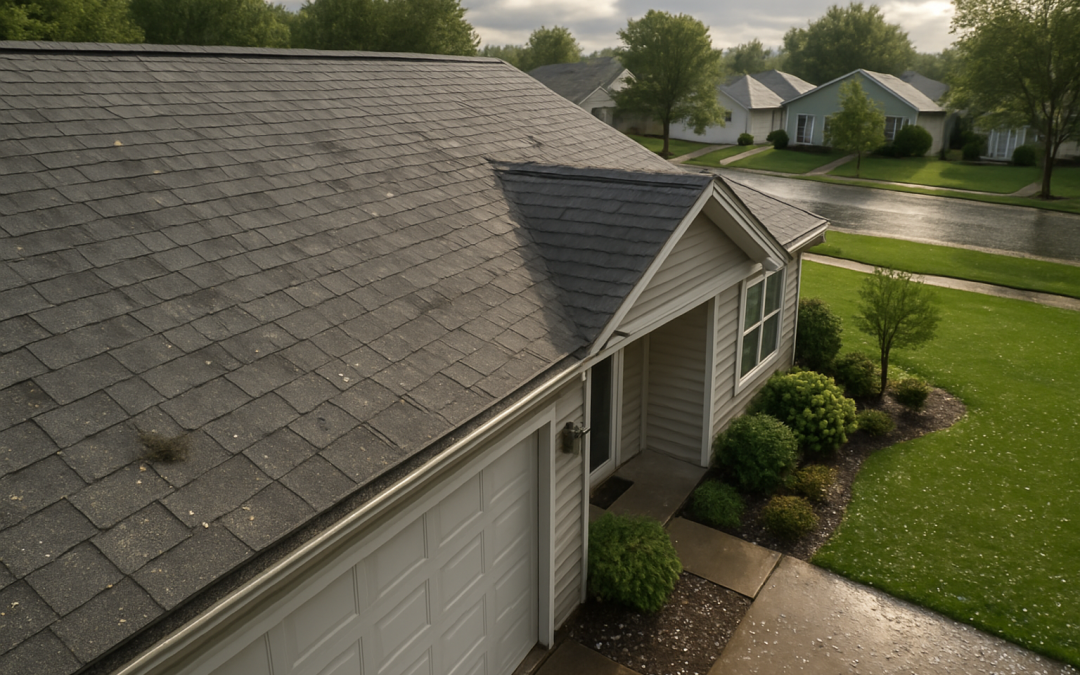
Hail damage happens when hailstones hit your roof hard enough to bruise, crack, or break shingles, metal panels, or tiles. Light hail may only cause cosmetic marks, but larger or wind-driven hail can shorten your roof’s life, lead to leaks months later, and often qualifies for an insurance claim. Minor hail repairs might cost a few hundred dollars, while full hail-related roof replacement can range from about $5,000–$15,000+ depending on your home. The tricky part is that serious hail damage is not always obvious from the ground, so a professional inspection is usually needed to know for sure.
If you’ve just been through a hailstorm, you may be worried about hidden roof damage, insurance deadlines, and whether you’re facing a repair or a full replacement. This guide is written for homeowners with little roofing experience who need clear, calm guidance after a storm. You’ll learn what hail damage really looks like, what to check safely, when insurance may help, and how to decide between repairing, replacing, or calling a roofing contractor.
Table of Contents
- What Roof Damage From Hail Really Means
- How Hail Damages Different Types of Roofs
- What to Check First After a Hailstorm (Safe Visual Checks Only)
- Signs Your Hail Damage Is Serious
- Hail Damage and Homeowners Insurance
- Hail Damage Roof Repair and Replacement Costs
- Hail Damage: Repair vs. Replace
- Timeline: How Fast You Need to Act After Hail
- Common Mistakes Homeowners Make After Hailstorms
- Frequently Asked Questions
- Summary and What to Do Next
What Roof Damage From Hail Really Means
Hail damage is more than just dents or marks on your shingles. It’s any impact from hailstones that weakens your roof’s outer layer and makes it more likely to leak or fail early.
On an asphalt shingle roof, hail damage usually means:
- Loss of protective granules (the sand-like coating on shingles)
- Bruising or soft spots where the shingle mat is weakened
- Cracks or splits that can let water in over time
On other roof types, hail damage can mean:
- Dents and coating loss on metal roofs
- Cracked or broken tiles on clay or concrete roofs
- Punctures or tears in flat roofing membranes
The key point: even if you don’t see an active roof leak right after a storm, hail can shorten your roof’s life and cause problems months or years later if it’s not addressed.
How Hail Damages Different Types of Roofs
Hail Damage to Asphalt Shingle Roofs
Asphalt shingles are the most common residential roofing material and are especially vulnerable to hail.
Typical hail damage on shingles includes:
- Granule loss: Bald or dark spots where the colored granules are knocked off, exposing the black asphalt underneath.
- Bruising: Soft, spongy spots you can feel when pressed (a roofer checks this on the roof), often with a circular impact mark.
- Cracks or tears: Shingles split or creased by larger hail or strong wind.
Granules protect shingles from UV rays and weather. Once they’re gone, shingles age faster, dry out, and become brittle. If you’ve noticed a lot of roof granules in your gutters, it may be related to hail or aging; you can read more in what roof granules in gutters really mean.
Hail Damage to Metal Roofs
Metal roofs are tough, but hail can still cause:
- Dents: Cosmetic dimples that may or may not affect performance.
- Coating damage: Chips or cracks in the paint or protective coating, which can lead to rust over time.
- Seam or fastener issues: In severe storms, impacts can loosen fasteners or stress seams.
Insurance may treat cosmetic dents differently than functional damage, so documentation from a qualified roofer is important.
Hail Damage to Tile and Slate Roofs
Clay, concrete, and slate tiles are brittle and can crack or break when hit by hail.
- Visible cracks or chips on tile edges
- Broken tiles that have slid out of place
- Hidden cracks that allow slow water intrusion
Even a few broken tiles can expose the underlayment and roof deck to water, leading to leaks and wood rot if not repaired.
Hail Damage to Flat Roofs
Flat roofs (often found on additions or low-slope areas) may have rubber, PVC, or modified bitumen membranes.
- Punctures or holes from large hailstones
- Blisters or bubbles where the membrane has separated
- Damaged seams or flashing around vents and edges
Because flat roofs drain more slowly, even small hail punctures can quickly lead to leaks and interior damage.
What to Check First After a Hailstorm (Safe Visual Checks Only)
Do not climb on your roof after a storm. It can be slippery, unstable, and dangerous. You can still do several safe checks from the ground and inside your home.
Safe Exterior Checks From the Ground
Walk around your home and look for:
- Obvious damage to soft metals: Dents in gutters, downspouts, metal fascia, or metal window frames.
- Damage to siding and trim: Chips, cracks, or holes in siding or paint.
- Shingle pieces on the ground: Broken or torn shingles in the yard or around the foundation.
- Debris on the roof: From the ground, see if you can spot missing shingles, exposed black spots, or displaced tiles.
Check Your Gutters and Downspouts
When it’s safe, look at your gutters and where downspouts drain:
- Accumulations of roof granules (looks like coarse sand)
- Dents or bent sections in metal gutters
- Clogged downspouts from storm debris
Heavy granule loss after a hailstorm can be a sign your shingles took a beating.
Interior and Attic Checks
Inside your home, look for:
- New water stains on ceilings or upper walls
- Peeling paint or bubbling drywall after the storm
- Musty smells that could indicate moisture
If you can safely access your attic, you can look for damp insulation, water stains, or visible daylight through the roof. For a step-by-step, homeowner-safe approach, see how to check your attic for roof damage.
Signs Your Hail Damage Is Serious
Some hail damage is mostly cosmetic; other damage means your roof’s protective system is compromised. These signs usually mean the problem is serious enough to warrant a professional inspection and possibly an insurance claim.
Visible Roof Surface Damage
From the ground or with binoculars, serious damage may include:
- Large dark or “bald” spots where shingles have lost granules
- Shingles that look cracked, curled, or broken
- Missing shingles or tiles, especially near ridges and edges
- Noticeable dents in metal roofing or flashing
Water Intrusion or Leaks
Signs that hail damage has already led to water getting in:
- Active drips or wet spots after rain
- New ceiling stains or spreading brown rings
- Damp insulation or visible mold in the attic
Once water is entering your home, the situation is urgent. You may need temporary tarping and fast action from a roofing contractor.
Widespread Damage in Your Neighborhood
If you see:
- Neighbors getting emergency tarps or roof inspections
- Broken windows, dented cars, or damaged siding on multiple homes
- Local news reporting large hail in your area
There’s a good chance your roof was affected, even if you can’t see obvious damage from the ground.
Age and Condition of Your Roof
Hail is more likely to cause serious damage if your roof is already aging or worn.
- Asphalt roofs older than 10–15 years are more vulnerable.
- Roofs with existing curling, cracking, or granule loss may fail faster after hail.
If your roof was already showing early failure signs before the storm, hail may push it past the point where repair makes sense. For more context, see the guide on early signs your roof is failing.
Hail Damage and Homeowners Insurance
Hail is one of the most common roof-related insurance claims. In many cases, homeowners insurance will help pay for hail damage, but there are important conditions and limitations.
When Homeowners Insurance Usually Covers Hail Damage
Most standard policies cover “sudden and accidental” damage from hail, including:
- Hail that cracks, bruises, or breaks shingles or tiles
- Hail that dents and functionally damages metal roofing
- Resulting interior damage from roof leaks caused by hail
Coverage depends on your specific policy, deductible, roof age, and any exclusions. Some policies have separate, higher deductibles for wind and hail.
When Hail Damage May Not Be Covered
Insurance may reduce or deny coverage if:
- Your roof is very old or poorly maintained.
- The damage is considered cosmetic only (like minor dents in metal) and does not affect performance.
- The insurer determines the damage is from wear and tear, not a specific hail event.
How to File a Hail Damage Claim
Basic steps most homeowners follow:
- Document the storm: Note the date, time, and size of hail if you observed it. Take photos of hailstones, yard damage, and any visible roof or exterior damage from the ground.
- Contact your insurance company: Report a possible hail claim as soon as you can; many policies have time limits.
- Schedule a professional roof inspection: A reputable roofing contractor can document damage, take photos, and provide a written assessment.
- Meet with the adjuster: If possible, have your roofer present when the insurance adjuster inspects the roof.
Common Mistakes That Get Hail Claims Denied or Reduced
- Waiting too long to report the claim, making it hard to tie damage to a specific storm.
- Failing to document damage with photos and notes.
- Letting temporary damage worsen (for example, not covering an active leak), which insurers may call “neglect.”
- Accepting the first denial without a second opinion from a qualified roofing contractor.
Hail Damage Roof Repair and Replacement Costs
Costs vary widely based on roof size, materials, local labor rates, and how severe the hail damage is. Below are general ranges to help you set expectations.
Typical Cost Ranges
- Minor roof repair: $150–$1,000
- Small areas of shingle replacement
- Minor flashing repairs
- Isolated tile replacement
- Moderate repair: $1,000–$3,000
- Repairing several damaged sections of the roof
- Replacing multiple bundles of shingles or tiles
- Addressing minor decking or underlayment issues
- Major repair: $3,000–$7,000+
- Extensive shingle or tile replacement on one side or section
- Significant underlayment or flashing work
- Partial replacement of roof decking
- Full roof replacement: $5,000–$15,000+ (or more for large or high-end roofs)
- Complete tear-off and replacement of shingles, underlayment, and flashing
- Possible decking repairs and code upgrades
What Affects Hail Damage Repair Costs
Key factors include:
- Roof size and pitch: Larger and steeper roofs cost more to repair or replace.
- Roofing material: Asphalt shingles are usually the least expensive; metal, tile, and slate cost more.
- Extent of damage: Widespread hail impacts across the roof often make replacement more cost-effective than patching.
- Local labor and permit costs: Prices vary by region and local building requirements.
- Hidden damage: Damaged roof decking or structural issues discovered during repairs can increase costs.
When Repair Is No Longer Worth It
Repair may not be the best choice when:
- Your roof is near the end of its expected life and has widespread hail damage.
- Repairs would cover a large percentage of the roof surface.
- Multiple past repairs have already patched different areas.
In these cases, a full roof replacement may cost more upfront but provide better long-term value, especially if insurance helps cover the storm-related portion.
Hail Damage: Repair vs. Replace
Deciding whether to repair or replace after hail comes down to the severity of damage, roof age, and insurance coverage.
When a Repair Is Usually Enough
Repair may be the right choice if:
- Damage is limited to a small, clearly defined area.
- Your roof is relatively new (under 10 years for asphalt) and otherwise in good condition.
- There are no active leaks or only minor ones that can be easily traced.
- The cost of repair is comfortably below your insurance deductible.
When a Full Roof Replacement Makes More Sense
Replacement is often the better option when:
- Hail damage is scattered across large portions of the roof.
- Your roof is older or already showing signs of aging or failure.
- Multiple slopes (sides) of the roof are affected.
- Insurance is willing to pay for a significant portion of a replacement due to storm damage.
A new roof can improve your home’s protection, appearance, and sometimes even energy efficiency. If you’re considering replacement, you may also want to understand how long a roof replacement takes and how to prepare your home.
How to Decide: A Simple Framework
Ask yourself:
- Is the damage localized or widespread? Localized damage leans toward repair; widespread damage leans toward replacement.
- How old is my roof? Newer roofs are better candidates for repair; older roofs often justify replacement.
- What does my insurance cover? If insurance will cover most of a replacement, it may be a better long-term investment.
- Am I seeing leaks or interior damage? Active leaks increase urgency and may push toward more comprehensive work.
Timeline: How Fast You Need to Act After Hail
Hail damage doesn’t always cause immediate leaks, but waiting too long can create bigger problems and insurance complications.
What to Do Within 24–72 Hours
- Do a safe visual check around your home and inside for leaks or new stains.
- Take photos of any visible damage and hailstones if possible.
- Call a trusted roofing contractor for an inspection if you suspect damage.
- Contact your insurance company to ask about timelines for hail claims.
Short-Term vs. Long-Term Risks
Short-term risks:
- Active leaks causing ceiling damage, wet insulation, or electrical hazards.
- Loose or missing shingles that can blow off in the next storm.
Long-term risks:
- Accelerated roof aging from granule loss and bruised shingles.
- Slow leaks leading to mold, rot, and structural damage.
- Insurance disputes if too much time passes before reporting damage.
How Long Repairs and Replacement Take
Minor hail repairs can often be completed in a day or less once scheduled. Larger repairs or full replacements may take several days, depending on roof size, complexity, and weather. For a deeper look at timing and what to expect, see how long a roof replacement takes.
Common Mistakes Homeowners Make After Hailstorms
Avoiding these mistakes can save you money, stress, and insurance headaches.
Ignoring “Minor” Hail Damage
It’s easy to shrug off a storm if you don’t see obvious leaks, but:
- Bruised or granule-loss shingles can fail early, leading to leaks later.
- Insurance may be less willing to help if you wait until the damage becomes severe.
Climbing on the Roof Yourself
Walking on a hail-damaged roof is dangerous and can cause more damage.
- Roofs can be slick, unstable, or structurally weakened.
- Improper walking can scuff shingles and void warranties.
Leave roof-level inspections to trained professionals with proper safety equipment.
Relying Only on Storm Chasers
After big hailstorms, out-of-town contractors often go door-to-door.
- Some are reputable, but others may disappear after the job or before warranty issues arise.
- Always check licenses, insurance, references, and local reviews.
Not Getting Multiple Opinions
Whether it’s a contractor or an insurance adjuster, a single opinion isn’t always enough.
- Get at least two or three written estimates from established local roofers.
- If you disagree with an insurance assessment, a detailed report from a contractor can help.
Delaying Temporary Protection
If you have an active leak, waiting for a full repair can cause major interior damage.
- Ask your roofer about temporary tarping or emergency repairs.
- Document everything for insurance, including emergency measures.
Frequently Asked Questions
How can I tell if my roof has hail damage without climbing on it?
Look for dents in gutters and downspouts, granules collecting in gutters, damaged siding, and shingle pieces on the ground. If neighbors have confirmed hail damage or you see widespread exterior impacts, it’s wise to schedule a professional roof inspection.
Does homeowners insurance always cover hail damage to my roof?
Most policies cover sudden hail damage, but coverage depends on your roof’s age, condition, and specific policy terms. Cosmetic-only damage or issues tied to wear and tear may not be covered, so review your policy and speak with your insurer.
Can small hail really damage my roof?
Yes, especially if your roof is older or already worn. Even smaller hail can knock off granules and bruise shingles, which may not leak immediately but can shorten your roof’s lifespan.
How long after a hailstorm can I file a roof damage claim?
Every insurance company is different, but many require you to report hail damage within a set time frame, often 6–12 months. It’s best to contact your insurer as soon as possible after the storm to avoid missing deadlines.
Is it better to repair or replace a hail-damaged roof?
Localized damage on a relatively new roof can often be repaired. Widespread damage, older roofs, or multiple affected slopes usually make full replacement a better long-term choice, especially if insurance helps cover the cost.
What should I do first if I think my roof has hail damage?
Document what you can safely see from the ground, check inside for leaks or new stains, and call a reputable roofing contractor for an inspection. Then contact your insurance company to discuss whether filing a claim makes sense.
Summary and What to Do Next
Hail can bruise, crack, and weaken your roof even when there are no immediate leaks. The real risk is hidden damage that shortens your roof’s life and leads to costly problems later, especially if you wait too long to address it or involve insurance.
Your next steps should be:
- Do a safe visual check around your home and inside for any signs of damage or leaks.
- Schedule a professional roof inspection to document hail damage and get repair vs. replacement recommendations.
- Talk to your insurance company promptly if there’s a chance the damage is storm-related.
A qualified roofing contractor can help you understand the true condition of your roof, compare repair and replacement options, and provide clear estimates. Getting at least two or three quotes and acting quickly if damage is serious will protect your home, your budget, and your peace of mind after a hailstorm.