
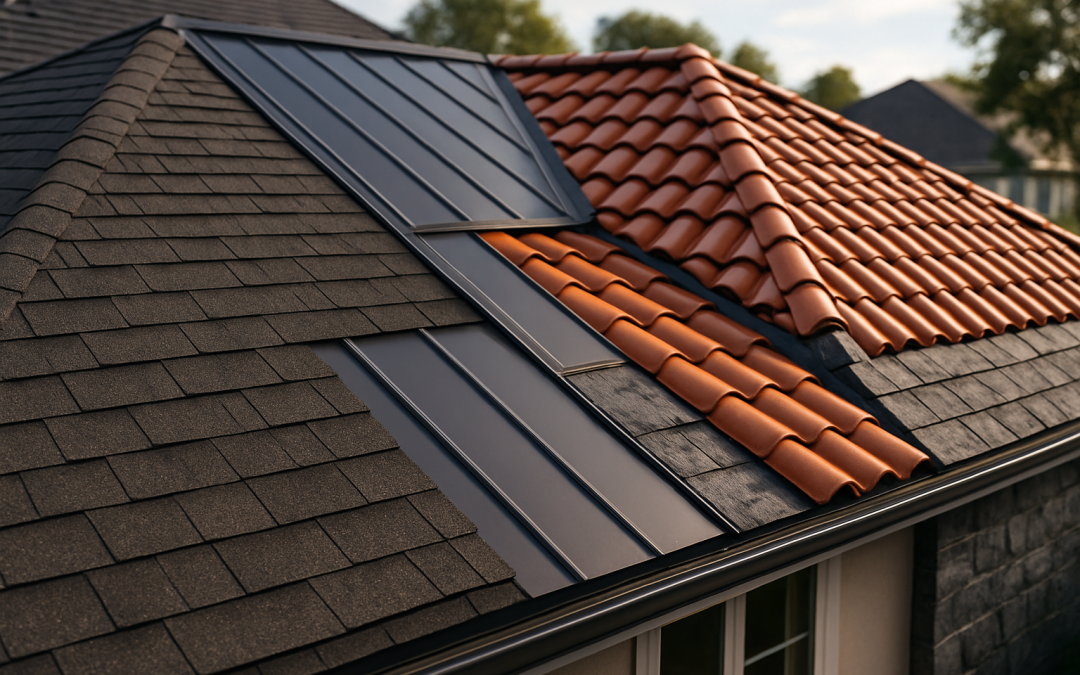
Roof covering is the outer layer of your roof that protects your home from rain, wind, sun, and snow. Choosing the right roofing system means matching the material (like asphalt shingles, metal, tile, or slate) to your budget, climate, and how long you plan to stay in the home. Most homeowners spend between $5,000 and $15,000+ for a full roof replacement, while repairs can range from a few hundred to several thousand dollars. Because roof damage is often hidden and insurance rules are strict, it is wise to get a professional inspection before deciding to repair, replace, or file a claim.
If you are dealing with leaks, missing shingles, storm damage, or an aging roof, understanding your roof covering options will help you avoid costly mistakes. This guide explains the main types of roof coverings, how to spot serious problems, when insurance may help, and how to decide between repair and replacement. The goal is to give you clear, practical information so you can protect your home and your budget.
Table of Contents
- What Is Roof Covering? Basic Terms Explained
- Main Types of Roof Coverings for Homes
- How to Choose the Right Roofing System
- What to Check First When You Suspect Roof Problems
- Signs Your Roof Problem Is Serious
- Roof Covering Costs: Repair vs Replacement
- Roof Damage, Insurance, and Claims
- Repair vs Replace: How to Decide on Your Roof Covering
- Timeline: How Fast You Need to Act
- Common Homeowner Mistakes with Roof Coverings
- Frequently Asked Questions
- Summary and Next Steps
What Is Roof Covering? Basic Terms Explained
Your roof is a system made of several layers. The roof covering is the visible outer layer that takes the direct hit from weather and protects everything underneath.
On a typical home, the roof covering might be:
- Asphalt shingles
- Metal panels
- Clay or concrete tiles
- Slate
- Wood shingles or shakes
Below the roof covering are other parts such as:
- Roof deck: The wood boards the covering is attached to.
- Underlayment: A water-resistant layer between the deck and the covering.
- Flashing: Metal pieces that seal around chimneys, vents, and valleys.
When you repair or replace your roof, you are usually dealing with the roof covering and sometimes the layers directly under it. If the deck is damaged or rotted, costs and complexity go up.
Main Types of Roof Coverings for Homes
Different roof coverings have different lifespans, costs, and looks. The right choice depends on your budget, climate, and roof design.
Asphalt Shingles (Most Common)
Asphalt shingles are the most common roof covering for homes in North America.
- Typical lifespan: 15–30 years, depending on quality and climate.
- Cost: Usually the most affordable option for replacement.
- Pros: Widely available, many colors, easier to repair.
- Cons: Shorter lifespan than metal, tile, or slate; can be damaged by high winds and hail.
Metal Roofing
Metal roofs can be steel, aluminum, or other metals, in panels or shingles.
- Typical lifespan: 40–70+ years when properly installed.
- Cost: Higher upfront than asphalt, but longer-lasting.
- Pros: Very durable, good for heavy snow and high winds, often more energy-efficient.
- Cons: Higher initial cost; needs experienced installers; can be noisier in heavy rain if not insulated well.
If you want to understand the structural layer under some metal systems, see the guide on metal roof decking and its benefits.
Clay and Concrete Tile
Tile roofs are common in warmer climates and on Mediterranean or Spanish-style homes.
- Typical lifespan: 40–50+ years.
- Cost: Higher than asphalt; roof structure must support the weight.
- Pros: Very durable, fire-resistant, distinctive appearance.
- Cons: Heavy, can crack if walked on, more expensive repairs.
Slate Roofing
Slate is a natural stone roof covering used on higher-end or historic homes.
- Typical lifespan: 50–100+ years when maintained.
- Cost: Among the most expensive roofing materials.
- Pros: Extremely long-lasting, very attractive, fire-resistant.
- Cons: Very heavy, requires strong structure and skilled installers, high repair cost.
Wood Shingles and Shakes
Wood roofs use cedar or other woods, either as smooth shingles or thicker, rougher shakes.
- Typical lifespan: 20–30 years with good maintenance.
- Cost: Generally higher than asphalt, lower than slate.
- Pros: Natural look, good insulation properties.
- Cons: Requires more maintenance, can be vulnerable to fire, mold, and rot; not allowed in some fire-prone areas.
Specialty and Modern Roof Coverings
Some homes use newer or specialty systems, such as:
- Composite shingles: Made to look like slate or wood but lighter and often more affordable.
- Solar shingles or solar roofs: Generate electricity while acting as the roof covering.
- Flat roof membranes: Used on low-slope or flat roofs (often on additions or modern homes).
If you are comparing energy-focused options, the guide on Tesla Solar Roof vs traditional solar panels can help you weigh costs and benefits.
How to Choose the Right Roofing System
Choosing a roof covering is not just about looks. It should fit your home’s structure, your local weather, and your long-term plans.
Key Factors to Consider
- Budget: How much you can realistically spend now, not just the “ideal” roof.
- Climate: Heavy snow, high winds, hail, or intense sun may favor certain materials.
- Roof design: Steep vs low slope, number of valleys, and complexity affect what works best.
- How long you’ll stay: If you plan to move in 5–10 years, a mid-range option may be enough.
- Local building codes and HOA rules: Some areas restrict materials or colors.
Matching Roof Covering to Your Situation
- On a tight budget: Architectural asphalt shingles are usually the best balance of cost and durability.
- Planning to stay long-term: Consider metal, tile, or high-end shingles for longer life.
- Historic or high-end home: Slate, tile, or quality composite may protect value and appearance.
- Flat or low-slope roof: You may need a membrane system rather than standard shingles.
For a deeper comparison of roof types, see the guide on what type of roof is best for your home.
When Your Existing Roof Covering Limits Your Options
Sometimes your current roof affects what you can install next. For example:
- A very heavy tile or slate roof may require structural changes if you switch to something lighter or heavier.
- Local codes may limit how many layers of shingles you can have; often only one or two layers are allowed.
- Severe deck damage or rot may force a full tear-off instead of a simple overlay.
What to Check First When You Suspect Roof Problems
You can do some safe, ground-level checks before calling a contractor. Do not climb on the roof or into unsafe attic spaces.
Safe Visual Checks Outside
- Step back from your home and look for:
- Missing, curled, cracked, or broken shingles or tiles.
- Loose or hanging gutters.
- Visible sagging areas in the roof line.
- After a storm, look for:
- Shingles or pieces of roofing on the ground.
- Dents in metal gutters or downspouts (often a sign of hail damage).
Safe Checks Inside the Home
- Look at ceilings and upper walls for:
- Water stains or brown rings.
- Peeling paint or bubbling drywall.
- New or growing mold spots.
- If you can safely look into the attic (without walking on joists or insulation):
- Check for damp insulation, visible drips, or daylight showing through the roof deck.
What Not to Do
- Do not walk on a wet, icy, or steep roof.
- Do not try to remove or replace shingles yourself if you are not trained.
- Do not ignore active leaks or place buckets and forget about them; leaks can quickly damage structure and wiring.
Signs Your Roof Problem Is Serious
Some roof covering issues can wait a short time; others need fast attention to avoid major damage.
Red-Flag Signs You Should Not Ignore
- Active dripping water from the ceiling or light fixtures.
- Large or spreading ceiling stains, especially after rain.
- Multiple missing shingles or tiles, or large bare patches.
- Visible sagging in the roof, ceiling, or rafters.
- Strong musty smell in the attic or upper floors, suggesting mold or long-term moisture.
Age-Related Warning Signs
Even without leaks, an aging roof covering can be close to failure.
- Asphalt shingles:
- Heavy granule loss (sand-like material) in gutters or at downspouts.
- Widespread curling, cracking, or bald spots.
- Metal roofs:
- Rust, loose fasteners, or separated seams.
- Tile or slate:
- Frequent broken or slipped tiles or slates.
If your roof is near or past its expected lifespan, even small issues may be a sign that a full replacement is coming soon. The guide on how long a roof lasts by material can help you compare your roof’s age to typical lifespans.
Roof Covering Costs: Repair vs Replacement
Roof costs vary widely based on size, material, and damage. Still, there are typical ranges that can help you plan.
Typical Cost Ranges
- Minor roof repair: $150–$1,000
- Examples: a few shingles replaced, small flashing repair, minor leak fix.
- Moderate repair: $1,000–$3,000
- Examples: repairing a larger leak area, replacing damaged underlayment, fixing multiple problem spots.
- Major repair: $3,000–$7,000+
- Examples: extensive storm damage, partial re-roofing, structural repairs to the deck.
- Full roof replacement: $5,000–$15,000+ (can be higher for large or complex roofs, or premium materials).
What Affects Roof Covering Cost
- Roof size: Larger roofs cost more; cost is often quoted “per square” (100 sq ft).
- Material choice: Asphalt is usually cheapest; metal, tile, and slate cost more.
- Roof complexity: Many valleys, dormers, or steep pitches increase labor time and cost.
- Existing layers: Removing old layers adds labor and disposal fees.
- Deck condition: Rotted or damaged wood must be replaced, adding to cost.
- Location and labor rates: Prices vary by region and local demand.
For a more detailed breakdown by home size, you can review the guide on re-roofing a 2,000 sq ft house or the broader overview of roof replacement costs in 2026.
When Repair Is No Longer Worth It
Repairing may not be the best use of money when:
- Your roof is near the end of its lifespan and needs frequent fixes.
- Repairs would cost more than about 25–30% of a full replacement.
- There is widespread damage across large areas, not just one or two spots.
- The roof deck or structure is compromised in multiple places.
In these cases, a full replacement may cost more upfront but save you from repeated repairs and interior damage.
Roof Damage, Insurance, and Claims
Homeowners insurance may help with roof covering damage, but only in specific situations and under certain conditions.
When Homeowners Insurance May Cover Roof Damage
Insurance usually covers sudden, accidental damage, such as:
- Wind damage from a strong storm (missing shingles, torn-off sections).
- Hail damage that dents, cracks, or bruises shingles or metal.
- Falling tree limbs that damage the roof.
- Fire or other covered disasters.
Insurance typically does not cover:
- Normal wear and tear or age-related deterioration.
- Damage from lack of maintenance (clogged gutters, ignored leaks).
- Pre-existing issues that were never repaired.
How to Start a Roof Insurance Claim
- Document what you see from the ground:
- Take clear photos of visible damage, debris, and interior leaks.
- Check your policy or call your insurer to confirm:
- Your deductible amount.
- Whether you have actual cash value (ACV) or replacement cost value (RCV) coverage.
- Schedule a professional roof inspection:
- Ask for a written report and photos you can share with the adjuster.
- File the claim promptly:
- Most policies require you to report damage within a certain time after the event.
Common Mistakes That Get Claims Denied
- Waiting too long to report damage after a storm.
- Failing to do basic temporary protection (like tarping) to prevent further damage, when safe and arranged by a professional.
- Not documenting the condition before repairs start.
- Letting a contractor “create” damage or exaggerate issues, which can raise red flags.
Working with Adjusters and Contractors
- Have your roofing contractor present (or available) when the adjuster inspects, if possible.
- Ask your contractor to provide a detailed estimate that matches the scope of damage.
- Do not sign any contract that assigns your entire claim to a contractor without understanding the terms.
Repair vs Replace: How to Decide on Your Roof Covering
Deciding whether to repair or replace your roof covering depends on age, damage, and cost. Making the right call can save you thousands over time.
When a Repair Is Usually Enough
- The roof is relatively young (for example, under 10–12 years for asphalt shingles).
- Damage is limited to a small, clearly defined area.
- There are no signs of widespread wear, sagging, or multiple leaks.
- The cost of repair is modest compared to full replacement.
When Replacement Is the Better Choice
- The roof is near or past its expected lifespan.
- There are multiple leaks in different areas.
- Shingles or tiles are failing across large sections, not just in one spot.
- Repairs would be frequent or add up to a large percentage of replacement cost.
For a focused comparison of these options, see the guide on roof repair vs roof replacement.
Should You File an Insurance Claim?
Consider filing a claim when:
- Damage clearly followed a specific event (storm, hail, falling tree).
- The estimated repair or replacement cost is likely higher than your deductible.
- A reputable contractor believes the damage is consistent with a covered event.
You may want to avoid a claim when:
- Damage is minor and clearly due to age or wear.
- The repair cost is close to or below your deductible.
- You have filed multiple claims in recent years and are concerned about premiums.
When to Get Multiple Quotes vs Act Immediately
- Get multiple quotes when:
- There is no active leak or only a small, contained issue.
- You are planning a full replacement and want to compare materials and warranties.
- Act quickly (with at least one trusted contractor) when:
- Water is actively entering your home.
- There is visible structural movement or sagging.
- A storm has caused obvious, severe damage.
Timeline: How Fast You Need to Act
Not every roof covering issue is an emergency, but some require same-day or next-day attention.
Emergency Situations (Same Day)
- Active leaks during rain that are soaking ceilings, walls, or electrical fixtures.
- Large sections of roof covering missing after a storm.
- Visible sagging or structural movement in the roof or ceiling.
In these cases, call a roofing contractor immediately. They may install temporary protection (like tarps) before doing permanent repairs.
Urgent but Not Immediate (Within a Few Days)
- New water stains that are not actively dripping.
- Moderate storm damage where most of the roof is still intact.
- Loose or partially lifted shingles or tiles.
Plan and Schedule (Within Weeks to a Few Months)
- Aging roof with no active leaks but clear signs of wear.
- Upgrading materials for energy efficiency or appearance.
- Replacing a roof before selling your home.
Even when it is not an emergency, do not delay too long. Small roof covering issues can become major structural problems if ignored.
Common Homeowner Mistakes with Roof Coverings
Avoiding a few common mistakes can save you money and stress.
Waiting Too Long to Address Problems
- Ignoring small leaks or stains until they become major issues.
- Putting off replacement on a very old roof until interior damage appears.
Trying Dangerous or DIY Repairs
- Walking on steep or wet roofs without proper safety equipment.
- Using temporary fixes (like roof cement or caulk) in place of proper repairs.
- Covering over serious damage instead of addressing the cause.
Choosing Based on Price Alone
- Picking the cheapest bid without checking references, insurance, or reviews.
- Using low-quality materials that may fail sooner and void warranties.
Not Understanding Warranties and Paperwork
- Assuming the manufacturer warranty covers all problems, including installation errors.
- Not getting a written scope of work, materials list, and cleanup plan.
Frequently Asked Questions
What is the best type of roof covering for most homes?
For many homes, architectural asphalt shingles offer the best balance of cost, durability, and appearance. In harsh climates or for long-term homes, metal or high-end shingles may be a better investment. The “best” option depends on your budget, climate, and how long you plan to stay in the home.
How do I know if my roof covering needs to be replaced or just repaired?
If your roof is relatively young and damage is limited to a small area, a repair is often enough. If the roof is near the end of its lifespan, has multiple leaks, or shows widespread wear, replacement is usually more cost-effective. A professional inspection is the safest way to confirm the right choice.
How much does a typical roof replacement cost?
Most homeowners pay between $5,000 and $15,000+ for a full roof replacement, depending on roof size, material, and complexity. Premium materials like metal, tile, or slate, or very large or steep roofs, can cost significantly more. Local labor rates and the condition of the roof deck also affect the final price.
Will my homeowners insurance pay for a new roof covering?
Insurance may help pay for a new roof if the damage is caused by a covered event, such as wind, hail, or a falling tree. It usually does not cover normal aging, wear and tear, or damage from poor maintenance. Your policy type, deductible, and the adjuster’s findings will determine how much is covered.
How long does it take to replace a roof covering?
Most standard residential roof replacements take 1–3 days of on-site work once scheduled, depending on size, weather, and complexity. Very large, steep, or complex roofs, or those using tile or slate, can take longer. Planning, permits, and scheduling with a contractor can add days or weeks before work begins.
Can I stay in my home while the roof is being replaced?
Yes, most homeowners stay in their homes during roof replacement. You can expect noise, vibrations, and some dust, but work is usually limited to daytime hours. Pets and small children may be sensitive to the noise, so plan accordingly.
Summary and Next Steps
Your roof covering is your home’s first line of defense against weather, and choosing the right system—and the right time to repair or replace—has a major impact on cost and safety. Most homeowners will face a decision between repairing localized damage, replacing an aging roof, or filing an insurance claim after a storm.
If you see leaks, missing shingles, or signs of aging, your next step should be to schedule a professional roof inspection. Use that report to compare quotes from reputable contractors, decide whether repair or replacement makes more sense, and determine if an insurance claim is appropriate. Acting promptly, with clear information, will help you protect your home, control costs, and choose the roof covering that best fits your needs.