
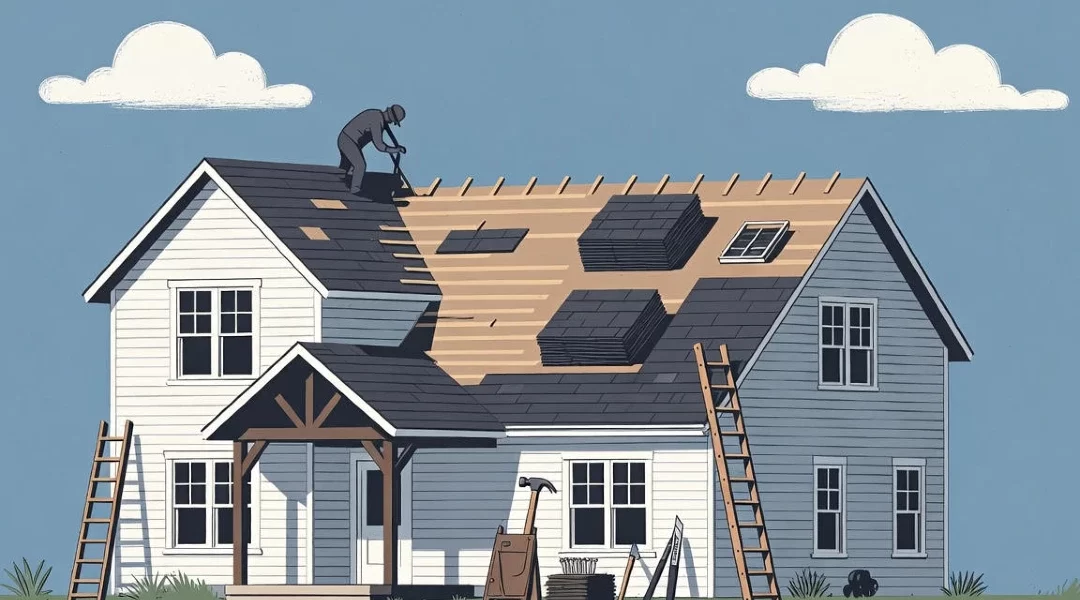
Your roof is your homes first line of defense against the elements. Over time, wear and tear can lead to significant issues. Recognizing the early signs of roof failure can save you money and stress in the long run. In this article, well explore ten early signs that your roof may be failing and what you can do about it.
Table of Contents
- 1. Early Signs of Roof Failure
- 2. Step-by-Step Roof Inspection
- 3. Practical Homeowner Tips
- 4. Common Mistakes to Avoid
- 5. Safety Notes and Contractor Guidance
- 6. Summary
- 7. Frequently Asked Questions
1. Early Signs of Roof Failure
Being aware of the early signs that your roof is failing can help you address issues before they become costly repairs. Here are ten signs to watch for:
- Missing or Damaged Shingles: Look for shingles that are curled, cracked, or completely missing. This can expose your roof to leaks.
- Granules in the Gutter: If you notice a lot of granules from asphalt shingles in your gutters, it may indicate that your shingles are deteriorating.
- Water Stains on Ceilings: Stains or discoloration on your ceilings can be a sign of leaks coming from your roof.
- Moss or Algae Growth: While some growth is normal, excessive moss or algae can trap moisture and damage your roof.
- Damaged Flashing: Flashing is the metal piece that seals roof joints. If its bent or rusted, it can lead to leaks.
- Exposed Roof Decking: If you can see the roof decking (the wood beneath the shingles), it may mean your shingles are failing.
- Ice Dams: In winter, ice dams can form at the edge of your roof, preventing melting snow from draining. This can cause leaks.
- High Energy Bills: If your energy bills are rising, it could indicate that your roof is not insulating properly.
- Visible Sagging: A sagging roof can indicate structural issues that need immediate attention.
- Age of the Roof: If your roof is nearing the end of its lifespan (usually 20-25 years for asphalt shingles), its time to inspect it closely.
2. Step-by-Step Roof Inspection
Regular inspections can help catch problems early. Heres how to conduct a simple roof inspection:
- Safety First: Always use a sturdy ladder and have someone with you when inspecting your roof.
- Check from the Ground: Use binoculars to look for missing shingles, sagging areas, and debris.
- Inspect the Attic: Look for water stains, mold, or light coming through the roof.
- Examine Flashing: Check around chimneys and vents for rust or damage.
- Inspect Gutters: Clear out any debris and check for granules from shingles.
3. Practical Homeowner Tips
Here are some practical tips to maintain your roof:
- Keep Gutters Clean: Regularly clean your gutters to prevent water buildup and ice dams.
- Trim Overhanging Branches: Keep trees trimmed to prevent branches from damaging your roof.
- Schedule Professional Inspections: Have a roofing professional inspect your roof every few years.
- Address Issues Promptly: If you notice any signs of damage, address them immediately to prevent further issues.
4. Common Mistakes to Avoid
Here are some common mistakes homeowners make regarding roof maintenance:
- Ignoring Small Issues: Small leaks can lead to big problems if left unchecked.
- DIY Repairs Without Knowledge: Attempting repairs without proper knowledge can worsen the problem.
- Not Considering Roof Age: Failing to recognize the age of your roof can lead to unexpected replacements.
5. Safety Notes and Contractor Guidance
When dealing with roof repairs or inspections, safety is paramount:
- Hire a Professional: If youre uncomfortable on a ladder or unsure about repairs, hire a licensed roofing contractor.
- Check Credentials: Ensure your contractor is licensed, insured, and has good reviews.
- Get Multiple Quotes: Dont settle for the first quote. Get at least three estimates to compare costs and services.
6. Summary
Being proactive about your roof can save you time and money. By recognizing the early signs of roof failure and conducting regular inspections, you can maintain the integrity of your home. Always prioritize safety and consider professional help when needed.
7. Frequently Asked Questions
- How often should I inspect my roof? Its advisable to inspect your roof at least twice a year, especially before and after severe weather.
- What is the average lifespan of a roof? The lifespan varies by material; asphalt shingles last about 20-25 years, while metal roofs can last 40-70 years.
- Can I repair my roof myself? Minor repairs can be done by homeowners, but significant issues should be handled by professionals.
- How do I know if I need a roof replacement? If your roof shows multiple signs of failure or is over 20 years old, it may be time for a replacement.
- What should I do if I find a leak? Address leaks immediately by covering the area with a tarp and contacting a roofing professional.
By staying informed and vigilant about your roof’s condition, you can ensure your home remains safe and sound. Dont hesitate to reach out to a roofing expert if you notice any signs of trouble. Your roof is an essential part of your home, and taking care of it will pay off in the long run.