
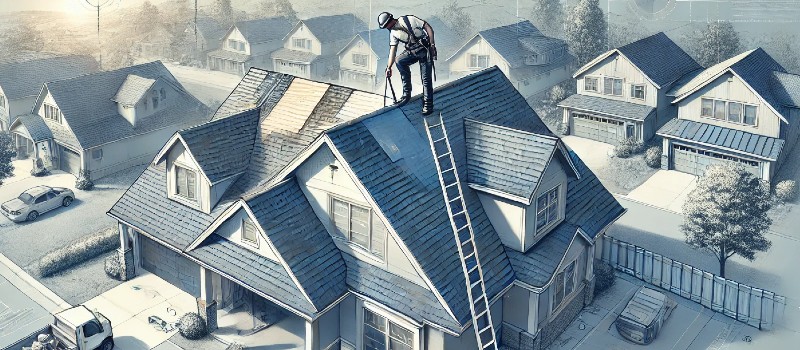
When it comes to roofing, understanding how roof size and pitch affect costs can help homeowners make informed decisions. Whether you are planning a new roof installation, repairs, or a replacement, knowing these factors can save you money and time. This article will guide you through the essentials, ensuring you feel confident in your roofing choices.
Table of Contents
- 1. Understanding Roof Size
- 2. The Importance of Roof Pitch
- 3. Cost Factors in Roofing
- 4. Practical Homeowner Tips
- 5. Common Mistakes to Avoid
- 6. Safety Notes and Contractor Guidance
- 7. Summary
- 8. Frequently Asked Questions
1. Understanding Roof Size
Roof size is a critical factor in determining the cost of roofing projects. It is typically measured in square feet. To calculate the size of your roof, you can follow these steps:
- Measure the length and width of each section of your roof.
- Multiply the length by the width to get the square footage for each section.
- Add the square footage of all sections together for the total roof size.
For example, if one section of your roof is 30 feet long and 20 feet wide, that section is 600 square feet. If you have three sections, the total size would be 1,800 square feet.
2. The Importance of Roof Pitch
Roof pitch refers to the steepness of the roof. It is expressed as a ratio of the vertical rise to the horizontal run. For example, a 4:12 pitch means the roof rises 4 inches for every 12 inches it runs horizontally.
Pitch affects both the materials needed and the labor involved. Steeper roofs often require additional safety equipment and more skilled labor, which can increase costs. Heres how to determine your roof pitch:
- Use a level and a measuring tape to find a point on your roof.
- Measure 12 inches horizontally from that point.
- Measure the vertical distance from the roof to the level. This gives you the rise.
3. Cost Factors in Roofing
Several factors influence roofing costs, including:
- Materials: Different materials, such as asphalt shingles, metal, or tile, have varying costs. Premium materials can significantly increase the overall price.
- Labor: Labor costs vary based on the complexity of the job and the contractor’s experience. Steeper pitches typically require more skilled labor.
- Roof Size and Pitch: As discussed, larger and steeper roofs increase material and labor costs.
- Location: Prices can vary by region due to local labor rates and material availability.
4. Practical Homeowner Tips
Here are some tips to help you navigate roofing costs:
- Get Multiple Quotes: Always obtain quotes from at least three contractors to compare prices and services.
- Ask About Warranties: Ensure your contractor offers warranties on both materials and labor.
- Consider Long-Term Costs: Sometimes, spending more upfront on high-quality materials can save you money in the long run through durability and energy efficiency.
- Plan for Future Repairs: Consider the accessibility of your roof for future maintenance when choosing a pitch and design.
5. Common Mistakes to Avoid
Homeowners often make mistakes that can lead to higher costs or poor outcomes. Here are some to watch out for:
- Ignoring Roof Inspections: Regular inspections can catch problems early, preventing costly repairs later.
- Choosing the Cheapest Option: Opting for the lowest bid can lead to subpar work and materials.
- Overlooking Local Building Codes: Ensure your roofing project complies with local regulations to avoid fines or required rework.
6. Safety Notes and Contractor Guidance
Safety is paramount in roofing. Here are some safety tips:
- Always use proper safety gear, such as harnesses and helmets, when working on a roof.
- Ensure your contractor is licensed and insured to protect yourself from liability.
- Check references and reviews for contractors to ensure they have a good reputation.
7. Summary
Understanding how roof size and pitch affect pricing is essential for homeowners. By knowing these factors, you can make informed decisions that fit your budget and needs. Always remember to get multiple quotes, consider long-term costs, and prioritize safety when selecting a contractor.
8. Frequently Asked Questions
- What is the average cost of a new roof? The average cost can range from $5,000 to $15,000, depending on size, materials, and labor.
- How does pitch affect roofing materials? Steeper pitches may require heavier materials and more secure installation methods, increasing costs.
- Can I install a new roof myself? While DIY is possible, its often safer and more effective to hire a professional, especially for steep roofs.
- How often should I inspect my roof? Its recommended to inspect your roof at least once a year and after major storms.
- What materials are best for steep roofs? Metal and slate are popular choices for steep roofs due to their durability and performance.
With this knowledge, you can confidently approach your roofing project. Understanding roof size and pitch will empower you to make decisions that suit your home and budget. Take your next step with assurance!