
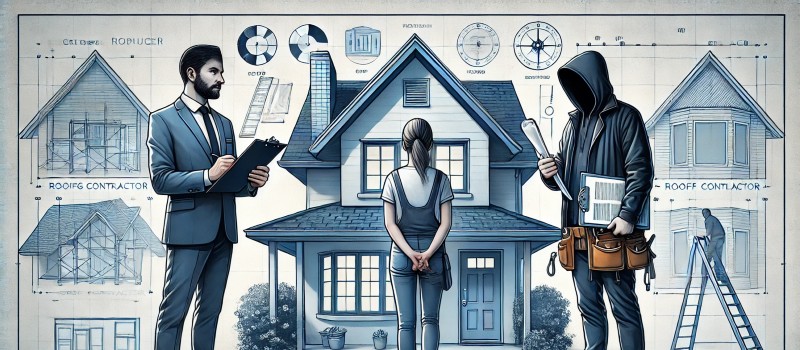
Finding a trustworthy roofer can be challenging. With so many options available, its essential to know how to identify a legitimate contractor from a potential scammer. This guide will help you understand the signs of roofing scams and provide you with practical tips to protect yourself.
Table of Contents
- Understanding Roofing Scams
- Step-by-Step Guide to Hiring a Roofer
- Practical Homeowner Tips
- Common Mistakes to Avoid
- Safety Notes and Contractor Guidance
- Summary
- Frequently Asked Questions
Understanding Roofing Scams
Roofing scams can take many forms. Some common tactics include:
- High-pressure sales tactics: Scammers may rush you into making a decision.
- Unsolicited offers: Beware of door-to-door salespeople offering special deals.
- Lowball estimates: If a quote seems too good to be true, it probably is.
- Requesting full payment upfront: Legitimate contractors typically ask for a deposit, not full payment.
Step-by-Step Guide to Hiring a Roofer
1. Research and Referrals
Start by asking friends, family, or neighbors for recommendations. Look for local companies with a good reputation. Online reviews can also provide insight into a contractor’s reliability.
2. Verify Credentials
Check if the roofer is licensed and insured. A legitimate contractor should have:
- A valid state license
- Liability insurance
- Workers’ compensation insurance
3. Get Multiple Quotes
Obtain at least three quotes from different contractors. This will give you a better idea of the average cost and help you spot any unusually low or high estimates.
4. Review the Contract
Before signing, read the contract carefully. Ensure it includes:
- The scope of work
- Materials to be used
- The total cost
- Payment schedule
- Start and completion dates
5. Make Payments Wisely
Never pay the full amount upfront. A reasonable deposit is typically 10-20% of the total cost. Make sure to keep all payment records.
Practical Homeowner Tips
Here are some additional tips to ensure youre hiring a reputable roofer:
- Ask for references: A trustworthy contractor should be able to provide references from past clients.
- Check for warranties: A good contractor will offer warranties on both materials and workmanship.
- Be cautious of door-to-door sales: If someone approaches you unexpectedly, its best to do your research before engaging.
Common Mistakes to Avoid
Many homeowners make mistakes that can lead to scams. Here are some to watch out for:
- Not doing enough research: Always check reviews and credentials.
- Ignoring red flags: If a contractor is evasive about their license or insurance, its a warning sign.
- Rushing the decision: Take your time to evaluate your options and dont let anyone pressure you.
Safety Notes and Contractor Guidance
When hiring a roofer, consider the following safety notes:
- Ensure safety practices: A reputable contractor will follow safety guidelines to protect their workers and your property.
- Discuss material options: Understand the materials being used. If a contractor suggests cheaper materials, ask why.
- Check for local building codes: Ensure the contractor is familiar with local regulations and permits.
Summary
Being aware of potential roofing scams is crucial for homeowners. By following the steps outlined above, you can confidently choose a reputable roofer. Always do your research, ask questions, and trust your instincts. Your roof is a significant investment, and it deserves careful consideration.
Frequently Asked Questions
- How can I find a reputable roofer? Start by asking for recommendations and checking online reviews. Verify their credentials and get multiple quotes.
- What should I look for in a roofing contract? Ensure it includes the scope of work, materials, total cost, payment schedule, and start/completion dates.
- Is it normal to pay a deposit? Yes, a deposit of 10-20% is typical, but avoid paying the full amount upfront.
- What are common roofing materials? Common materials include asphalt shingles, metal, tile, and wood. Each has its pros and cons.
- How do I know if my roof needs repairs? Look for missing shingles, leaks, or sagging areas. Its best to have a professional inspection.
- What should I do if I suspect a scam? Gather evidence, document your interactions, and report the contractor to local authorities.
By following these guidelines, you can feel confident in your ability to choose a reliable roofer. Take your time, do your research, and protect your investment.