
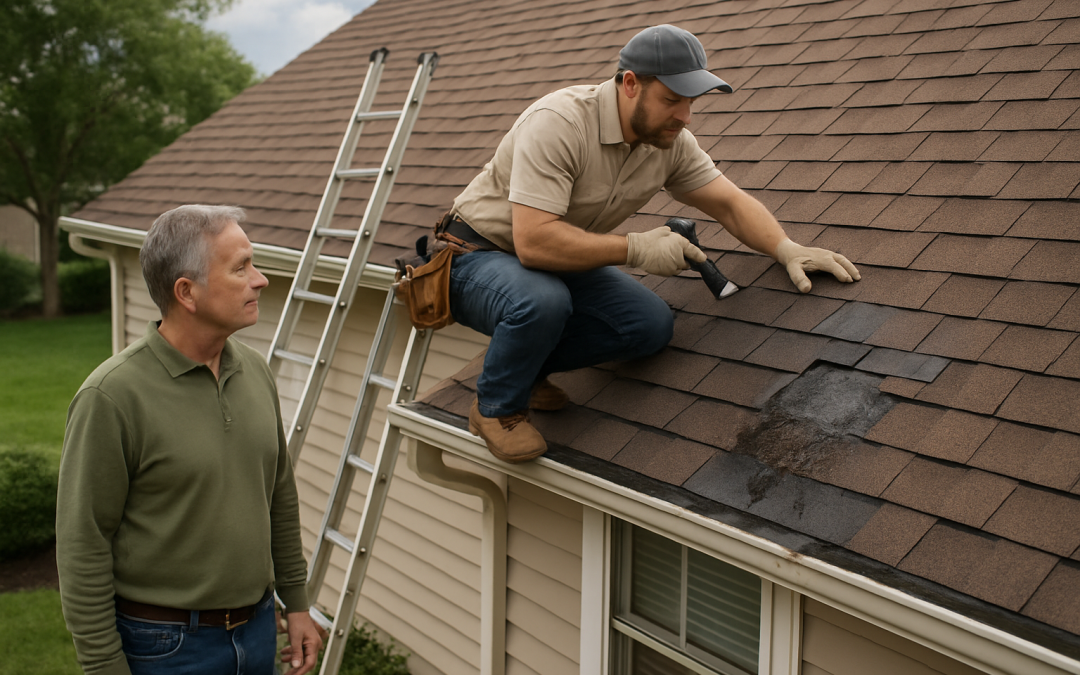
Roof leak repair in 2026 typically costs between $150 and $3,000 for most homeowners, depending on how severe the leak is and how much of the roof is affected. Small, simple leaks around a vent or a few shingles might be a few hundred dollars, while structural damage, rotten decking, or multiple leak points can push repairs to $3,000–$7,000+ or even make a full roof replacement (often $5,000–$15,000+) the smarter choice. You should expect a roofer to inspect the entire roof, not just the visible leak, and to explain repair vs. replacement options clearly. Exact pricing will vary based on your roof type, local labor rates, and whether insurance is involved.
If you’ve just found a wet ceiling, a stain, or active dripping, you’re not alone—roof leaks are one of the most common and stressful home repairs. This guide is for homeowners who need to understand what roof leak repair really costs in 2026, how to avoid overpaying, and when it makes more sense to replace the roof or file an insurance claim. We’ll walk through what’s happening, what to check safely, how to judge urgency, and how to talk to contractors so you can make a calm, informed decision.
Table of Contents
- What a Roof Leak Really Means for Your Home
- Common Causes of Roof Leaks
- What to Check First (Safe, From the Ground)
- Signs Your Roof Leak Is Serious or Urgent
- Roof Leak Repair Cost in 2026: What Homeowners Actually Pay
- Roof Leak Repair vs. Full Replacement: How to Decide
- Roof Leaks and Homeowners Insurance: When Claims Make Sense
- When to Call a Roofing Contractor (and How to Avoid Overpaying)
- Timeline: How Fast You Need to Act on a Roof Leak
- Common Mistakes Homeowners Make With Roof Leaks
- Frequently Asked Questions
- Summary and What to Do Next
What a Roof Leak Really Means for Your Home
A roof leak means water is getting past your roofing material and into the layers below—underlayment, wood decking, insulation, and eventually your ceilings or walls. Even a small drip can cause hidden damage over time.
In practical terms, a leak can lead to:
- Stained ceilings or walls
- Mold or mildew growth in attic or drywall
- Soft or sagging spots in ceilings or roof decking
- Damaged insulation and higher energy bills
The visible stain or drip is often just the end result. The real question is how far the water has spread and whether it has weakened the structure or created mold risk.
Common Causes of Roof Leaks
Most roof leaks come from a few predictable issues. Understanding them helps you talk clearly with a contractor and avoid unnecessary work.
1. Aging or Worn-Out Shingles
- Asphalt shingles dry out, crack, curl, or lose granules over time.
- Once they stop shedding water properly, wind-driven rain can get underneath.
- Typical lifespan is 15–30 years depending on material and climate.
2. Storm, Wind, or Hail Damage
- High winds can lift or tear shingles, leaving bare spots.
- Hail can bruise or crack shingles and damage metal flashing.
- Fallen branches can puncture the roof or crush sections of it.
3. Flashing and Roof Penetrations
Flashing is the metal or sealant around roof features like chimneys, skylights, vents, and valleys.
- Cracked or loose flashing is one of the most common leak sources.
- Rubber boots around plumbing vents can dry out and split.
- Poorly sealed skylights often leak at the corners.
4. Clogged Gutters and Poor Drainage
- When gutters are clogged, water can back up under shingles at the roof edge.
- Flat or low-slope areas can pond water if drains are blocked.
5. Installation or Design Problems
- Improperly installed shingles, underlayment, or flashing can leak even on a newer roof.
- Complex roof designs with many valleys and transitions have more potential leak points.
6. Ice Dams (Cold Climates)
- Ice dams form when snow melts and refreezes at the roof edge.
- Water backs up under shingles and leaks into the home.
What to Check First (Safe, From the Ground)
You should never climb on a roof unless you are trained and properly equipped. There are still safe checks you can do from inside and from the ground.
Inside the House
- Look for new or growing ceiling stains, peeling paint, or bubbling drywall.
- Check around light fixtures or ceiling fans for moisture or discoloration.
- If safe, peek into the attic with a flashlight:
- Look for damp insulation, darkened wood, or visible drips.
- Check around chimneys, vents, and where roof planes meet.
Outside, From the Ground
- Walk around your home and look up at the roof:
- Missing, curled, or broken shingles
- Exposed nail heads or shiny metal where shingles should be
- Debris piles or leaves in valleys
- Check gutters and downspouts from the ground:
- Water overflowing during rain
- Shingle granules collecting at downspout exits
These observations help you describe the problem to a roofer, but they are not a substitute for a professional inspection.
Signs Your Roof Leak Is Serious or Urgent
Some leaks can wait a few days for an appointment. Others need immediate attention to avoid major damage.
Urgent Signs – Call a Roofer Immediately
- Active dripping or running water during or after rain
- Ceiling bulging, sagging, or feeling soft to the touch
- Large or rapidly growing water stains
- Wet electrical fixtures, outlets, or wiring nearby
- Visible mold growth or strong musty odor
- Sections of roof that appear sagged or deformed from the outside
Serious but Not Emergency (Schedule Soon)
- Small stains that get darker or larger after each storm
- Occasional dripping in heavy rain only
- Peeling paint or bubbling drywall around a window or ceiling corner
Why Acting Quickly Matters
- Water spreads sideways, not just straight down, so damage can be wider than it looks.
- Delays can turn a $500 repair into a $3,000+ structural and mold problem.
- Insurance companies may deny claims if they believe you ignored a known issue.
Roof Leak Repair Cost in 2026: What Homeowners Actually Pay
Roof leak repair costs vary widely, but most jobs fall into a few categories. These ranges reflect typical 2026 pricing for asphalt shingle roofs in many U.S. markets; premium materials or high-cost areas will be higher.
Minor Roof Leak Repair: $150–$1,000
These are small, localized issues that are quick to access and fix.
- Replacing a few damaged shingles
- Resealing or replacing a vent boot
- Minor flashing repair around a chimney or skylight
- Small patch on underlayment with limited interior damage
These repairs often take 1–2 hours and may have a minimum service charge. They are usually worth doing even on an older roof to buy time while you plan for replacement.
Moderate Roof Leak Repair: $1,000–$3,000
These involve more extensive work or harder-to-reach areas.
- Repairing a larger section of shingles and underlayment
- Fixing leaks in valleys or complex roof intersections
- Replacing damaged roof decking in a limited area
- Addressing multiple small leak points in one visit
Costs increase because of more labor, more materials, and sometimes the need for interior repairs (drywall, insulation) coordinated with the roofing work.
Major Roof Leak Repair: $3,000–$7,000+
These are serious issues that affect a significant portion of the roof or structure.
- Widespread water damage to decking or framing
- Multiple leak sources across different roof sections
- Extensive interior repairs needed due to long-term leakage
- Complex roofs with steep pitch or multiple stories requiring extra safety measures
At this level, you should carefully compare the cost of repair to the cost of replacing the roof, especially if it is already near the end of its life.
Full Roof Replacement: $5,000–$15,000+ in 2026
When leaks are widespread or the roof is old, replacement can be more cost-effective than repeated repairs.
- Smaller, simple asphalt shingle roofs may be in the $5,000–$9,000 range.
- Average-sized homes with more complex roofs often fall between $8,000 and $15,000.
- Large homes, steep roofs, or premium materials (metal, tile) can exceed $20,000.
For a deeper breakdown of replacement pricing, including how size and pitch affect cost, see how roof size and pitch change the price and what factors increase the cost of a new roof.
Key Factors That Affect Roof Leak Repair Cost
- Roof size and pitch: Larger, steeper roofs require more labor and safety equipment.
- Material type: Asphalt shingles are usually cheapest; metal, tile, and specialty materials cost more to repair.
- Extent of damage: Surface-only vs. damage to underlayment, decking, and structure.
- Accessibility: Multi-story homes, limited driveway access, or obstacles increase labor time.
- Local labor and material costs: Urban and high-cost-of-living areas tend to be more expensive.
- Emergency vs. scheduled: After-hours or emergency calls often carry higher fees.
When Repair Is No Longer Worth It
Repairing a leaking roof may not be the best use of money when:
- The roof is near or past its expected lifespan (often 18–25+ years for asphalt shingles).
- You have had multiple leaks in different areas over the last few years.
- The repair quote is more than 25–40% of a full replacement cost.
- There is widespread shingle wear, curling, or granule loss across the roof.
In these cases, putting repair money toward a replacement can save you from repeated service calls and interior damage.
Roof Leak Repair vs. Full Replacement: How to Decide
Deciding whether to repair or replace comes down to roof age, overall condition, and the size of the problem.
When a Repair Makes Sense
- Your roof is relatively young (under 10–12 years for asphalt shingles).
- The leak is clearly tied to a specific issue (flashing, a vent, a few shingles).
- The rest of the roof looks generally healthy with no widespread wear.
- The repair cost is modest compared to replacement and comes with a reasonable warranty.
When Replacement Is the Better Long-Term Choice
- Your roof is older (often 15–20+ years, depending on material and climate).
- There are multiple leaks or signs of wear across large areas.
- Decking is soft or sagging in several spots.
- Repair estimates are high, and contractors warn more issues are likely soon.
If you’re on the fence, it can help to read a broader perspective on long-term value in whether it is worth getting the roof replaced and how to budget for a roof replacement.
Practical Rule of Thumb
- Single, isolated leak on a younger roof: Repair.
- Multiple leaks and visible aging on a mid-life roof: Consider both options; compare costs carefully.
- Major leak on an old roof with widespread wear: Replacement is usually the smarter financial decision.
Roof Leaks and Homeowners Insurance: When Claims Make Sense
Homeowners insurance can help with roof leak costs, but only in specific situations. Understanding what is and isn’t covered can save you time and frustration.
When Roof Leaks Are Usually Covered
Insurance typically covers sudden, accidental damage, such as:
- Wind damage that tears off shingles or flashing
- Hail damage that bruises or cracks shingles
- Fallen trees or branches that puncture the roof
- Damage from a covered peril like fire
If the leak is directly caused by one of these events and the damage is recent, a claim may help pay for repair or replacement, minus your deductible.
When Roof Leaks Are Usually Not Covered
- Normal wear and tear or aging shingles
- Long-term neglect or failure to maintain the roof
- Improper installation or construction defects
- Slow leaks that have been present for months or years
Insurers often deny claims if they believe the roof was already in poor condition before the event.
How to Approach a Potential Claim
- Document the damage:
- Take clear photos of interior stains, damaged belongings, and any visible exterior issues from the ground.
- Check your policy and deductible:
- Compare your estimated repair or replacement cost to your deductible to see if a claim is worthwhile.
- Contact a reputable roofing contractor:
- Ask for an inspection and a written report describing the cause and extent of damage.
- Then contact your insurance company:
- Provide photos and the roofer’s findings when you file the claim.
Common Mistakes That Get Claims Denied
- Waiting too long to report damage after a storm.
- Trying to “fix” the roof yourself in a way that alters the damage before an adjuster sees it.
- Not documenting the condition of the roof and interior right after the event.
- Relying only on the insurance adjuster’s assessment without a contractor’s opinion.
When to Call a Roofing Contractor (and How to Avoid Overpaying)
You should involve a professional roofer sooner rather than later for any suspected leak. The right timing and approach can protect both your home and your wallet.
Call a Contractor Immediately If:
- Water is actively dripping or running inside your home.
- Ceilings are sagging or bulging.
- You see daylight through the roof in the attic.
- A tree limb or other object has hit the roof.
Schedule an Inspection Soon If:
- You notice new or growing stains after rain.
- You see missing or damaged shingles from the ground.
- Your roof is older and you’ve had at least one prior leak.
How to Avoid Overpaying for Roof Leak Repair
- Get at least two to three quotes for anything beyond a very minor repair.
- Ask each contractor to:
- Explain the cause of the leak in simple terms.
- Show you photos of the problem areas.
- Break down labor, materials, and any additional costs.
- Be cautious of:
- High-pressure sales tactics or “today only” pricing.
- Contractors who push full replacement without clearly explaining why.
- Very low bids that don’t include details or warranties.
- Check reviews, licensing, and insurance before signing anything.
For more detail on evaluating quotes and fair pricing, see what you should expect in a roofing estimate and how much you should pay a roofing contractor.
Timeline: How Fast You Need to Act on a Roof Leak
Timing depends on how severe the leak is and what weather is coming.
Within 24 Hours
- Active leaks with dripping or running water
- Ceiling bulges or sagging
- Electrical fixtures near water
In these cases, call a roofer and, if necessary, a water damage or restoration company right away.
Within a Few Days
- New stains that appeared after a recent storm
- Minor dripping only during heavy rain
- Visible missing shingles or small damaged areas
Within 1–2 Weeks
- Older stains that haven’t changed but you’ve never had them checked
- General concern about an aging roof with no active leak
Remember that weather can change quickly. A small leak in mild weather can become a major problem in the next heavy storm.
Common Mistakes Homeowners Make With Roof Leaks
Avoiding these mistakes can save you thousands of dollars and a lot of stress.
1. Ignoring “Small” Leaks
- Even tiny stains can indicate a slow, ongoing leak.
- Slow leaks often cause more mold and structural damage than obvious drips.
2. Trying DIY Roof Repairs Without Experience
- Walking on a roof is dangerous and can cause more damage.
- Improper patches or sealants can trap water and hide the real problem.
3. Only Fixing the Visible Symptom
- Painting over stains without addressing the leak leads to repeat damage.
- Replacing a few shingles without checking underlayment and decking may miss hidden rot.
4. Choosing the Cheapest Bid Without Details
- Low bids sometimes skip necessary steps or use poor-quality materials.
- Repairs that fail quickly end up costing more in the long run.
5. Waiting Too Long to Involve Insurance
- Delays can make it harder to prove that damage came from a specific storm.
- Insurers may argue that you failed to maintain the roof.
Frequently Asked Questions
How much does it cost to repair a roof leak in 2026?
Most roof leak repairs in 2026 fall between $150 and $3,000, depending on how severe and widespread the damage is. Minor fixes like replacing a few shingles or resealing a vent are at the low end, while larger areas of damage, structural issues, or complex roofs can reach $3,000–$7,000+ or make full replacement more sensible.
Is it better to repair or replace a leaking roof?
If your roof is relatively young and the leak is isolated, repair is usually the best option. If the roof is older, has multiple leaks, or shows widespread wear, replacement often provides better long-term value and reduces the risk of repeated interior damage.
Will homeowners insurance pay for my roof leak repair?
Insurance may cover roof leak repairs when the damage is caused by a sudden event like wind, hail, or a fallen tree. It usually does not cover leaks from normal aging, wear and tear, or long-term neglect, so it’s important to document storm damage quickly and get a roofer’s written assessment.
How fast do I need to fix a roof leak?
Active leaks with dripping water, sagging ceilings, or electrical risks should be addressed within 24 hours. Smaller stains or minor leaks should still be inspected within a few days to prevent hidden mold and structural damage from developing.
Can I fix a roof leak myself?
It’s generally not recommended for homeowners to repair roof leaks themselves because of safety risks and the chance of making the problem worse. You can safely monitor stains, check the attic visually, and look for obvious exterior issues from the ground, but actual repairs should be handled by a qualified roofing contractor.
How do I know if a roof leak quote is fair?
Get at least two to three detailed estimates that explain the cause of the leak, the scope of work, and the materials used. Be wary of very low bids with little detail or high-pressure tactics, and check each contractor’s reviews, licensing, and insurance before deciding.
Summary and What to Do Next
A roof leak is a warning sign that water is getting where it shouldn’t, and the true cost depends on how quickly you respond and how extensive the damage is. In 2026, most homeowners pay between $150 and $3,000 for repairs, but major issues or aging roofs can push costs higher and make replacement the smarter choice.
Your next steps should be:
- Document what you see inside and outside, without climbing on the roof.
- Schedule a professional roof inspection as soon as possible, especially if water is actively entering your home.
- Get multiple written quotes that clearly explain repair vs. replacement options and costs.
- Consider whether a recent storm may justify an insurance claim, and involve both a roofer and your insurer if appropriate.
A qualified roofing contractor can help you understand the real condition of your roof, prioritize urgent repairs, and plan for long-term solutions. By comparing quotes and acting quickly on leaks, you can protect your home, control costs, and avoid overpaying for roof leak repair or replacement.