
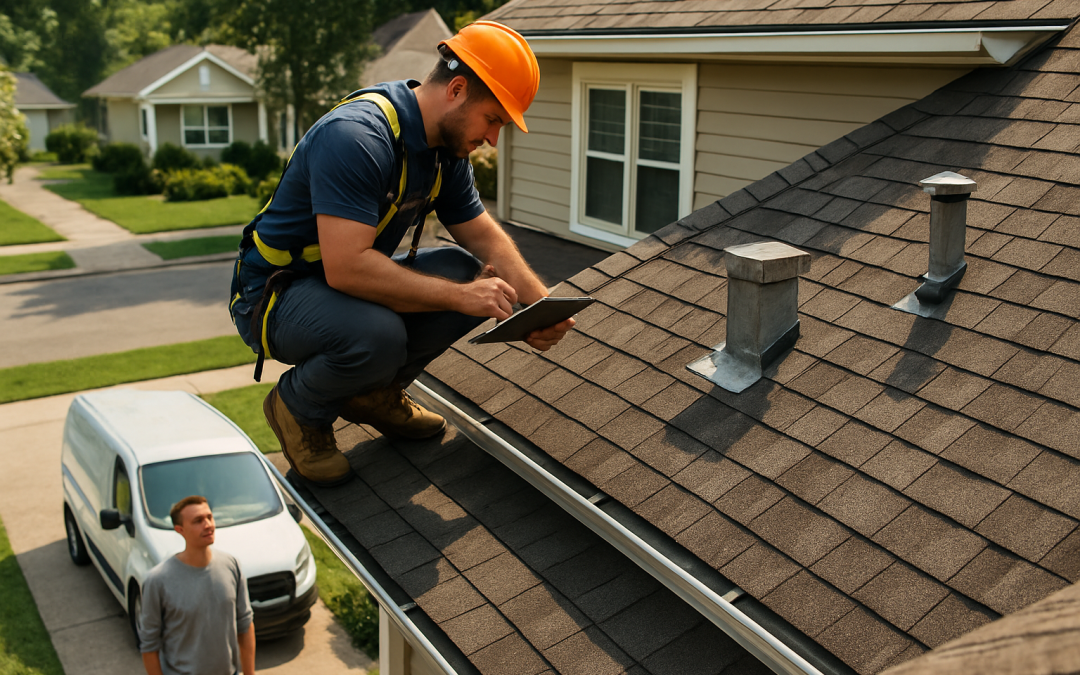
Roof inspections near you are a professional checkup of your roof to find leaks, storm damage, and wear before they turn into expensive problems. A local roofing inspector will look at shingles, flashing, vents, gutters, attic, and more, then explain whether you should repair, replace, or file an insurance claim. Most basic inspections cost between $0 and $350 and take 30–90 minutes, but complex roofs, storm damage, or real estate transactions can cost more and take longer. Every roof is different, so only an on-site inspection can give you an accurate cost and timeline.
If you’re seeing stains on ceilings, missing shingles, or you’ve just had a big storm, a “roof inspection near me” is the right next step. This guide explains what inspectors actually check, how much it costs, when insurance may help, and how to choose a trusted local roofing inspector. The goal is to help you decide whether to repair, replace, file a claim, or contact a contractor right away.
Table of Contents
- What Is a Roof Inspection and Why It Matters
- What Local Roof Inspectors Check (Step by Step)
- Common Reasons You Need a Roof Inspection
- What You Can Safely Check Before Calling an Inspector
- Signs Your Roof Problem Is Serious or Urgent
- Roof Inspection and Repair Costs: What to Expect
- Roof Repair vs. Replacement: How Inspectors Help You Decide
- Roof Inspections and Insurance Claims
- How to Schedule a Roof Inspection Near You
- How to Choose a Trusted Local Roofing Inspector
- Common Mistakes Homeowners Make With Roof Inspections
- Frequently Asked Questions
- Summary: What to Do Next
What Is a Roof Inspection and Why It Matters
A roof inspection is a professional evaluation of your roof’s condition, inside and out. The goal is to find current damage, early warning signs, and potential leaks before they cause major interior problems.
For homeowners, a roof inspection usually answers three key questions:
- Is my roof safe and watertight right now?
- Do I need a repair, a full replacement, or nothing yet?
- Should I involve my insurance company?
Regular inspections are especially important after storms, when buying or selling a home, or once your roof is 10–15+ years old. Catching issues early can save thousands in repair and replacement costs.
What Local Roof Inspectors Check (Step by Step)
Every company has its own checklist, but most professional roof inspections cover the same core areas.
1. Exterior Roof Surface
The inspector will visually examine the main roof surface from the ground, a ladder, or with drones, depending on safety and access. They look for:
- Missing, cracked, curled, or loose shingles or tiles
- Granule loss on asphalt shingles (bald spots, heavy granules in gutters)
- Damaged or loose metal panels on metal roofs
- Blisters, bubbles, or ponding water on flat roofs
- Soft spots that may indicate rot or weakened decking
2. Flashing and Roof Penetrations
Flashing is the metal or sealant around chimneys, vents, skylights, and walls. It is one of the most common leak points. Inspectors check for:
- Loose, rusted, or missing flashing
- Cracked or dried-out sealant around vents and pipes
- Gaps where water can get under the roofing material
3. Gutters, Downspouts, and Edges
Water must be able to leave your roof quickly and safely. Inspectors will look at:
- Clogged or sagging gutters
- Improperly sloped gutters that hold water
- Loose or damaged drip edge (metal at the roof’s edge)
- Signs of water staining on fascia boards and siding
4. Attic and Interior Signs
Many roof problems show up inside first. If accessible, the inspector may check:
- Attic insulation for dampness or mold
- Roof decking (wood) for stains, rot, or daylight showing through
- Ventilation (intake and exhaust vents) to prevent heat and moisture buildup
- Ceilings and walls for water stains, peeling paint, or bubbling drywall
5. Overall Roof Structure and Age
Finally, the inspector considers the big picture:
- Approximate age and remaining life of the roof
- Any sagging or structural concerns
- Quality of past repairs or installations
- Whether the roof meets local building codes and typical insurance expectations
At the end, you should receive a clear explanation (and often photos) showing what’s good, what’s borderline, and what needs attention now.
Common Reasons You Need a Roof Inspection
Most homeowners search for “roof inspection near me” for one of these reasons:
- Visible leaks or stains on ceilings or walls
- Recent storms with hail, high winds, or heavy rain
- Missing or damaged shingles seen from the ground
- Granules in gutters or at the bottom of downspouts
- Buying or selling a home and needing a roof certification
- Aging roof (10–20+ years old, depending on material)
- Higher energy bills that may be linked to poor ventilation or insulation
Storm damage, age, and poor installation are the three biggest underlying causes of roof problems. An inspection helps separate cosmetic issues from real threats to your home.
What You Can Safely Check Before Calling an Inspector
You do not need to climb on your roof to get useful information. Stay on the ground and inside your home.
Safe Visual Checks Outside
- Walk around your home and look up for:
- Missing, curled, or broken shingles
- Exposed nail heads or shiny metal where shingles are missing
- Debris piles on the roof or in valleys
- Loose or hanging gutters
- After a storm, look for:
- Shingles on the ground or in the yard
- Dents in gutters, downspouts, or metal trim (possible hail damage)
- Tree limbs touching or resting on the roof
Safe Checks Inside
- Inspect ceilings and upper walls for:
- Brown or yellow water stains
- Bubbling or peeling paint
- Soft spots in drywall or plaster
- If you can safely access the attic (solid flooring, good lighting):
- Look for damp insulation or dark stains on wood
- Check for a musty smell or visible mold
These observations are helpful to share with your roofing inspector, but avoid walking on the roof or attempting repairs yourself. Falls and hidden damage can be dangerous.
Signs Your Roof Problem Is Serious or Urgent
Some roof issues can wait a few weeks; others need attention within hours or days. Call a roofing contractor or inspector quickly if you notice:
- Active dripping or water running from the ceiling
- Large or rapidly growing ceiling stains
- Bulging or sagging drywall (risk of collapse)
- Multiple missing shingles in one area, especially after a storm
- Visible sagging in the roofline
- Strong musty odors or visible mold in the attic
These signs suggest water is already entering your home or the structure may be compromised. In these cases, a prompt inspection can prevent much more expensive interior repairs.
Roof Inspection and Repair Costs: What to Expect
Costs vary by region, roof size, and the purpose of the inspection, but here are typical ranges.
Roof Inspection Cost Ranges
- Basic inspection: $0–$150 (many contractors offer free inspections for repair/replacement estimates)
- Detailed inspection with report/photos: $150–$350+
- Real estate or insurance-specific inspection: $200–$500+, depending on documentation required
Steep roofs, multi-story homes, complex designs, or difficult access can increase the cost.
Roof Repair Cost Ranges
Once an inspection is done, you may be quoted for repairs or replacement. Typical ranges are:
- Minor roof repair: $150–$1,000
- Examples: a few shingles replaced, small flashing repair, minor leak fix
- Moderate repair: $1,000–$3,000
- Examples: larger leak area, multiple flashing issues, partial decking replacement
- Major repair: $3,000–$7,000+
- Examples: extensive storm damage, structural repairs, large sections of roof affected
- Full roof replacement: $5,000–$15,000+ (can be higher for large or premium roofs)
- Cost depends heavily on roof size, pitch, materials, and local labor rates
What Affects Roof Repair and Replacement Costs
- Roof size and complexity: Bigger, steeper, or more complex roofs cost more.
- Material type: Asphalt shingles are usually cheapest; metal, tile, and specialty materials cost more.
- Extent of damage: Surface-only repairs are cheaper than fixing rotten decking or structure.
- Labor and location: Prices vary by region and local demand.
- Disposal and permits: Tearing off old roofing and required permits add to the total.
At some point, repeated repairs on an old roof stop making financial sense. A good inspector will explain when you are better off investing in a full replacement instead of patching the same areas over and over.
Roof Repair vs. Replacement: How Inspectors Help You Decide
One of the most valuable parts of a roof inspection is getting clear guidance on whether to repair or replace.
When Repair Usually Makes Sense
- The roof is relatively young (for example, under 10–12 years for many asphalt roofs).
- Damage is limited to a small area (one section or slope).
- There are no widespread signs of wear, curling, or granule loss.
- Decking and structure are still solid.
When Replacement Is Often the Better Choice
- The roof is near or past its typical lifespan.
- There are leaks in multiple areas or repeated leaks in the same spot.
- Shingles are curling, cracking, or bald across large sections.
- There is significant rot, sagging, or structural concern.
- Repair costs are approaching a large percentage of a full replacement cost.
For more detail on how long different roofing materials last and warning signs of failure, see how long a roof lasts and when to replace it.
How Inspectors Present Your Options
A trustworthy roofing inspector should:
- Show you photos or videos of the issues they found.
- Explain the short-term and long-term risks of leaving problems as-is.
- Provide separate estimates for repair vs. replacement when both are possible.
- Be honest if a repair is only a temporary fix on an aging roof.
Use this information to weigh cost, remaining roof life, and your plans for the home (e.g., selling soon vs. staying long-term).
Roof Inspections and Insurance Claims
Roof inspections are often the first step in deciding whether to file a homeowners insurance claim for roof damage.
When Homeowners Insurance May Cover Roof Damage
Policies typically cover sudden, accidental damage, such as:
- Wind damage (shingles blown off, lifted, or creased)
- Hail damage (bruised or cracked shingles, dents in metal)
- Falling objects (like a tree limb hitting the roof)
- Some types of storm-related leaks
Insurance usually does not cover normal wear and tear, poor maintenance, or old age. For a deeper dive into what’s typically covered, see what type of roof damage insurance covers.
How a Roof Inspection Helps With Claims
- Documents the type, extent, and likely cause of damage.
- Provides photos and notes you can share with your insurance company.
- Helps you decide if the damage is significant enough to justify a claim.
- Can identify pre-existing wear that insurance may not cover.
Basic Steps to File a Roof Damage Claim
- Get a professional roof inspection and estimate.
- Review your policy deductible and coverage limits.
- Contact your insurance company to report the loss.
- Meet with the insurance adjuster (ideally with your contractor present).
- Review the adjuster’s report and compare it to your contractor’s findings.
For a step-by-step walkthrough, see how to file a roof damage insurance claim.
Common Mistakes That Lead to Denied or Reduced Claims
- Waiting too long after a storm to report damage.
- Failing to document the condition before temporary repairs.
- Not addressing obvious maintenance issues (clogged gutters, known leaks).
- Relying only on the insurance adjuster’s opinion without a contractor’s input.
A good local roofing inspector can help you avoid these pitfalls by documenting damage properly and explaining what is likely to be considered storm-related versus wear and tear.
How to Schedule a Roof Inspection Near You
Scheduling a roof inspection is usually straightforward and can often be done within a few days, faster after major storms if you call quickly.
Typical Scheduling Timeline
- Non-urgent inspections: 2–7 days, depending on season and demand.
- Post-storm or urgent leaks: Same day to 48 hours, though big storms can cause backlogs.
- Real estate transactions: Often scheduled within a week, but plan ahead to avoid closing delays.
Information to Have Ready When You Call
- Your address and best contact information.
- Age of the roof (or your best estimate).
- Type of roof material (asphalt shingle, metal, tile, flat, etc.).
- What you’ve noticed: leaks, stains, missing shingles, recent storms.
- Whether this is related to a potential insurance claim or home sale.
Ask whether the inspection is free or paid, what it includes (photos, written report), and how long the visit will take.
How to Choose a Trusted Local Roofing Inspector
Choosing the right person for your “roof inspection near me” search is just as important as the inspection itself. You want someone experienced, honest, and local.
Key Qualities to Look For
- Local experience: Familiar with your area’s weather, building codes, and common roof types.
- Proper licensing and insurance: Ask for proof of both.
- Good reviews and references: Check online ratings and ask neighbors or friends.
- Clear communication: Willing to explain findings in plain language and answer questions.
- No high-pressure tactics: They should inform you, not scare you into a sale.
Questions to Ask Before Hiring
- How long have you been inspecting and repairing/replacing roofs in this area?
- Do you provide photos or a written report with your inspection?
- Is there a fee for the inspection, and is it credited toward any work?
- Are you familiar with working alongside insurance adjusters?
- Can you provide references from recent customers?
If you’re moving from inspection into a full replacement, it’s worth reviewing guidance on how to choose a roofing replacement contractor and red flags to avoid.
Common Mistakes Homeowners Make With Roof Inspections
Avoiding these common missteps can save you time, money, and stress.
- Waiting too long to schedule an inspection after seeing stains, missing shingles, or storm damage.
- Climbing on the roof themselves, risking falls and accidental damage.
- Getting only one opinion on major repairs or replacements.
- Assuming insurance will cover everything without understanding age and maintenance exclusions.
- Choosing the cheapest bid without checking credentials, reviews, and materials.
- Ignoring ventilation and attic issues that can shorten roof life and cause moisture problems.
Frequently Asked Questions
How often should I get a roof inspection?
Most homeowners should have a professional roof inspection every 1–2 years, plus after major storms with hail or high winds. Older roofs or homes with past leak issues may benefit from yearly inspections to catch problems early.
How long does a roof inspection take?
A typical residential roof inspection takes about 30–90 minutes, depending on roof size, complexity, and whether the attic is inspected. If a detailed report or insurance documentation is needed, it may take a bit longer.
Do I need to be home for a roof inspection?
It’s best if you can be home, especially for the first visit, so the inspector can access the attic if needed and review findings with you in person. However, many contractors can inspect the exterior while you’re away and then share photos and explanations by phone or email.
Will a roof inspection tell me if I need a full replacement?
Yes, a thorough inspection should clearly indicate whether a repair is enough or if the roof is near the end of its life and replacement is recommended. The inspector should explain the condition, remaining life, and cost differences so you can make an informed decision.
Should I call my insurance company before or after a roof inspection?
In most cases, it’s wise to get a roofing inspection and estimate first, then decide whether the damage is significant enough to involve insurance. This helps you avoid unnecessary claims and gives you documentation to discuss with your adjuster if you do file.
Can an old roof still be covered by insurance?
Coverage for older roofs varies by insurer and policy, and some companies reduce or limit coverage once a roof reaches a certain age. For more detail on how age affects coverage, see resources on how old a roof can be before insurance considers it too old.
Summary: What to Do Next
If you’re searching for “roof inspection near me,” you’re likely dealing with leaks, storm damage, or an aging roof and want clear answers. A professional inspection will show you what’s wrong, how urgent it is, and whether repair, replacement, or an insurance claim makes the most sense.
Next steps:
- Do a quick, safe visual check inside and outside your home.
- Schedule a roof inspection with a trusted local roofing contractor.
- Review their findings, photos, and estimates for repair vs. replacement.
- Decide whether to involve insurance based on the extent and cause of damage.
Acting quickly when you see early signs of roof problems can prevent major interior damage and keep your overall costs down. Get a professional roof inspection, compare quotes from reputable local contractors, and use their guidance to choose the right repair or replacement plan for your home.