
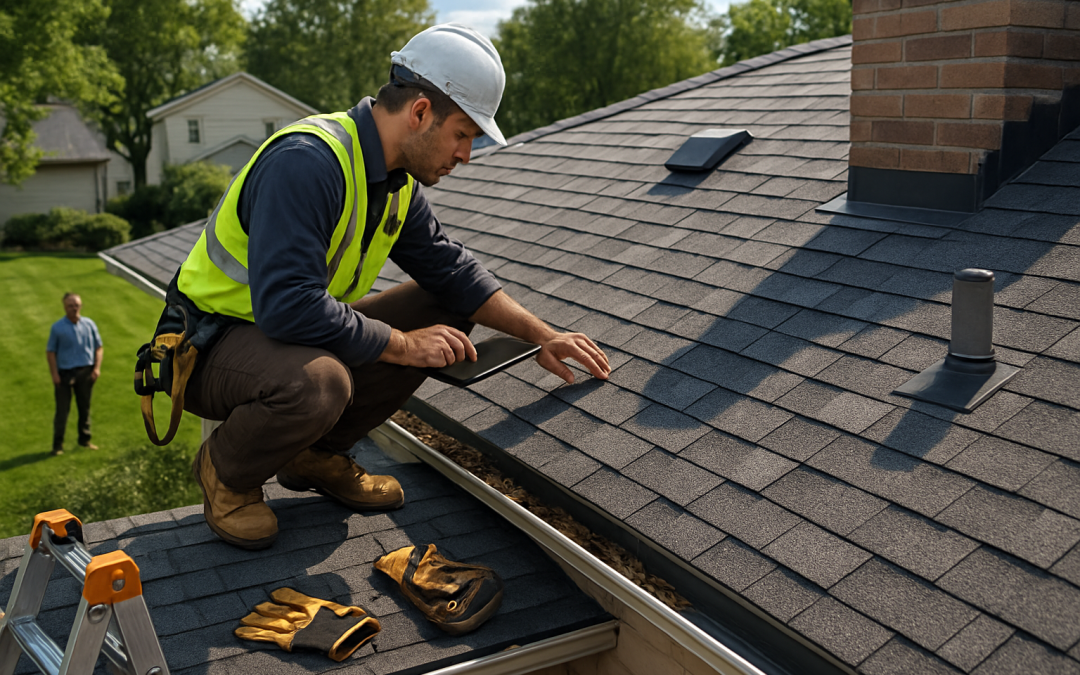
Roof maintenance services usually include a professional roof inspection, cleaning debris, sealing minor cracks, tightening or replacing loose flashing, spot repairs, and basic gutter maintenance to keep water flowing off your roof. Most homeowners spend between $150 and $600 per routine maintenance visit, with larger or more complex roofs costing more. Done once or twice a year, preventive roof maintenance can easily add 5–10 years to a roof’s life by catching small problems before they turn into leaks, mold, or major structural damage. Exact results and costs vary based on your roof’s age, material, local climate, and how quickly you address issues.
If you’re worried about roof damage, leaks, or an aging roof, a maintenance visit is often the safest and most affordable first step. It gives you a clear picture of your roof’s condition, helps you decide whether to repair or replace, and can support you if you need to file an insurance claim after a storm. This guide explains what roof maintenance includes, what it costs, how often you should schedule it, and how preventive care can delay a full roof replacement.
Table of Contents
- What Is Roof Maintenance and Why It Matters
- What Roof Maintenance Services Typically Include
- How Often Should You Schedule Roof Inspections?
- Common Causes of Roof Damage Maintenance Can Catch Early
- What Homeowners Can Safely Check Before Calling a Roofer
- Signs Your Roof Problem Is Serious
- Roof Maintenance and Repair Costs: What to Expect
- Repair vs. Replace: How Roof Maintenance Affects the Decision
- Roof Maintenance, Insurance, and Storm Damage Claims
- How Fast You Need to Act on Roof Problems
- Common Roof Maintenance Mistakes Homeowners Make
- Frequently Asked Questions
- Summary: What to Do Next
What Is Roof Maintenance and Why It Matters
Roof maintenance is the regular, professional care of your roof to keep it watertight and extend its life. It focuses on inspection, cleaning, and small repairs before they turn into leaks or major damage.
Instead of waiting for water stains on your ceiling, maintenance aims to prevent problems like:
- Loose or missing shingles
- Cracked sealant around vents and chimneys
- Clogged gutters that back water under shingles
- Early signs of rot, rust, or sagging
Consistent maintenance is one of the best ways to reach or exceed the expected roof lifespan for your material. For more on typical lifespans and warning signs, see How Long Does a Roof Last? Lifespan by Material + Warning Signs.
What Roof Maintenance Services Typically Include
Exact services vary by contractor and roof type, but most residential roof maintenance packages include several core steps.
1. Professional Roof Inspection
The inspection is the foundation of any maintenance visit. A roofer will typically:
- Walk the roof (if safe) and check shingles, tiles, or panels for damage
- Inspect flashing around chimneys, skylights, vents, and walls
- Look for soft spots, sagging, or signs of rot
- Check roof penetrations like plumbing vents and roof jacks for cracks or gaps
- Inspect gutters, downspouts, and roof edges for water backup or damage
- Look inside the attic (if accessible) for leaks, stains, or mold
Afterward, you should receive a written report or at least a clear verbal summary with photos, recommended repairs, and timelines.
2. Cleaning and Debris Removal
Keeping the roof surface and drainage paths clear is critical. Maintenance often includes:
- Removing leaves, branches, and debris from the roof surface
- Clearing gutters and downspouts so water can flow freely
- Cleaning valleys where two roof slopes meet, which often trap debris
On some roofs, contractors may also gently wash away moss or algae, using methods that do not damage shingles or protective granules.
3. Minor Repairs and Sealing
Many maintenance plans include small repairs done on the spot, such as:
- Replacing a few missing or cracked shingles or tiles
- Re-sealing or caulking around vents, roof jacks, and flashing
- Tightening or re-fastening loose flashing or metal edging
- Securing exposed nails or fasteners
These small fixes are inexpensive compared to the cost of repairing interior water damage later.
4. Gutter and Drainage Check
Water must leave your roof quickly and safely. During maintenance, roofers usually:
- Check gutters for sagging, leaks, or separation from the fascia
- Ensure downspouts are connected and directing water away from the foundation
- Look for signs of water overflowing or backing up under shingles
5. Documentation and Maintenance Plan
A good contractor will document what they found and what they did. This may include:
- Photos of problem areas and completed repairs
- A list of recommended future repairs or upgrades
- A suggested schedule for your next maintenance or inspection
This documentation can be helpful if you later need to prove to an insurance company that you’ve been maintaining your roof.
How Often Should You Schedule Roof Inspections?
Most homeowners should plan on regular roof inspections as part of preventive maintenance.
General Inspection Guidelines
- Once a year for most asphalt shingle roofs in mild climates
- Twice a year (spring and fall) in areas with heavy storms, snow, or high heat
- After major weather events like hailstorms, high winds, or hurricanes
- Every 6–12 months for flat or low-slope roofs, which are more prone to pooling water
Adjusting for Roof Age
- Newer roofs (0–10 years): Annual inspections are usually enough unless there’s storm damage.
- Middle-aged roofs (10–20 years): Consider annual maintenance plus extra checks after big storms.
- Older roofs (20+ years): Inspections every 6–12 months are wise, as problems can develop quickly.
Regular inspections help you decide when it’s time to stop repairing and start planning for replacement instead of being surprised by a major leak.
Common Causes of Roof Damage Maintenance Can Catch Early
Preventive maintenance is most effective when it targets the real-world issues that wear roofs down over time.
Weather and Climate
- Sun and heat: UV rays dry out shingles, causing cracking and curling.
- Freeze-thaw cycles: Water seeps into small gaps, then expands when it freezes, widening cracks.
- Wind: Strong gusts can lift shingles, break seals, and expose nails.
- Hail: Impacts can bruise shingles, knock off protective granules, and shorten roof life.
Storm and Impact Damage
- Falling branches or trees
- Wind-driven debris
- Heavy snow or ice loads
Even if you don’t see obvious damage from the ground, a maintenance inspection can reveal hidden issues after a storm.
Installation and Design Issues
- Improperly installed flashing around chimneys, skylights, or walls
- Insufficient ventilation causing heat and moisture buildup in the attic
- Poor drainage design leading to standing water in valleys or on flat areas
Maintenance can’t fix every design flaw, but it can reduce the risk of leaks and help you plan for larger corrections if needed.
Age and Normal Wear
- Granule loss on asphalt shingles
- Rust on metal components
- Dry, brittle sealants and caulking
These are normal signs of aging, but if caught early, they can often be managed with targeted repairs instead of full replacement.
What Homeowners Can Safely Check Before Calling a Roofer
You should never climb on your roof unless you are trained and properly equipped. However, there are safe checks you can do from the ground and inside your home.
Safe Visual Checks Outside
From the ground, using binoculars if needed, look for:
- Missing, cracked, or curled shingles
- Exposed or rusted metal flashing
- Debris piles in roof valleys or along edges
- Gutters overflowing or pulling away from the house
- Dark streaks or moss growth on the roof surface
Safe Checks Inside the Home
Inside, especially in the attic and upper floors, look for:
- Water stains on ceilings or walls
- Peeling paint or bubbling drywall
- Musty smells or visible mold
- Daylight showing through the roof boards in the attic
If you see any of these signs, schedule a professional roof inspection as soon as possible.
Signs Your Roof Problem Is Serious
Some issues can wait for a scheduled maintenance visit, while others need urgent attention.
Urgent Warning Signs
- Active leaks or dripping water inside your home
- Large or rapidly growing ceiling stains
- Sections of the roof that appear sagging or uneven
- Multiple missing shingles after a storm
- Wet insulation or visible mold in the attic
These signs suggest that water is already getting into your home or that the roof structure may be compromised. Call a roofing contractor immediately.
Serious but Not Emergency Signs
- Granules from shingles collecting in gutters or at downspout exits
- Frequent minor leaks during heavy rain
- Widespread curling, cracking, or bald spots on shingles
- Rust on metal roofs or flashing
These indicate your roof is aging or deteriorating. Maintenance can sometimes extend its life, but you should also start planning for eventual replacement.
Roof Maintenance and Repair Costs: What to Expect
Costs vary by roof size, material, pitch (steepness), local labor rates, and how much work is needed. Still, there are typical ranges you can use for planning.
Typical Roof Maintenance Visit Costs
- Basic maintenance visit: $150–$600 for inspection, minor sealing, and debris/gutter cleaning
- More extensive maintenance: $600–$1,200 if multiple small repairs or more complex access is needed
Roof Repair Cost Ranges
- Minor roof repair: $150–$1,000 (a few shingles replaced, small flashing repair, minor leak fix)
- Moderate repair: $1,000–$3,000 (larger leak areas, multiple sections of shingles, some decking repair)
- Major repair: $3,000–$7,000+ (structural damage, widespread leaks, significant decking replacement)
Roof Replacement Cost Ranges
When repairs are no longer cost-effective, you may need a full replacement:
- Full roof replacement: $5,000–$15,000+ for most single-family homes, with higher costs for large, steep, or complex roofs
Material choice, roof size, and complexity can push costs higher. For a deeper breakdown, see How Much Does a Roof Replacement Cost in 2026? A Complete Homeowner Guide or the specific guide on how much it costs to re-roof a 2000 sq ft house.
What Drives Costs Up
- Steep or hard-to-access roofs that require extra safety equipment
- Premium materials like metal, tile, or slate
- Extensive water damage to roof decking or structure
- Emergency or after-hours service calls
- High local labor and material prices
When Repair Is No Longer Worth It
Repair may not be cost-effective when:
- Your roof is near or past its expected lifespan
- Repairs are needed in multiple areas year after year
- Estimated repairs exceed 25–40% of the cost of a new roof
In these cases, putting money toward a replacement often makes more financial sense than repeatedly patching an aging roof.
Repair vs. Replace: How Roof Maintenance Affects the Decision
Preventive maintenance gives you better information to decide whether to repair or replace your roof.
When Maintenance and Repair Make Sense
Repair and ongoing maintenance are usually the best choice when:
- The roof is relatively young (well under its expected lifespan)
- Damage is limited to a small area (for example, a few missing shingles)
- The underlying structure and decking are still solid
- You have not had repeated leaks in the same area
When to Start Planning for Replacement
Replacement becomes more likely when:
- The roof is older and showing widespread wear (curling, bald spots, granule loss)
- You have multiple leaks or recurring problems
- Maintenance visits keep turning into larger repair bills
- Your roofer finds significant decking or structural damage
Maintenance inspections help document these issues so you can budget and choose the right time to replace instead of waiting for a major failure. For help recognizing the tipping point, see the guide on the top 5 signs you need a new roof.
How Preventive Maintenance Extends Roof Life
Regular maintenance can add years to your roof’s life by:
- Stopping small leaks before they rot wood or insulation
- Keeping gutters clear so water doesn’t back up under shingles
- Maintaining sealants and flashing that keep water out of vulnerable areas
- Identifying ventilation issues that cause premature aging
While no maintenance plan can make a roof last forever, it can often delay replacement and reduce the risk of sudden, expensive emergencies.
Roof Maintenance, Insurance, and Storm Damage Claims
Homeowners insurance is designed to cover sudden, accidental damage—not normal wear and tear. Understanding this difference is critical when you’re dealing with roof issues.
When Homeowners Insurance May Cover Roof Damage
Insurance may apply when your roof is damaged by:
- Hailstorms
- High winds that tear off shingles or flashing
- Falling trees or branches
- Fire or other covered perils listed in your policy
In these cases, a prompt inspection and documentation from a roofing contractor can support your claim.
What Insurance Usually Does Not Cover
Insurance typically does not cover:
- Damage from age, neglect, or lack of maintenance
- Leaks caused by worn-out shingles or old sealant
- Gradual deterioration or poor installation
This is one reason regular maintenance is so important: it helps prevent problems that insurers will consider “maintenance issues” rather than covered losses.
How to Approach a Roof Insurance Claim
- Document visible damage from the ground with photos and notes.
- Schedule a professional roof inspection as soon as possible.
- Contact your insurance company to report the potential claim.
- Share the roofer’s report and photos with your adjuster.
Many homeowners choose to have a roofing contractor present when the adjuster visits, so both parties see the same damage and agree on what needs to be done.
Common Claim Mistakes That Lead to Denials
- Waiting too long to report damage after a storm
- Failing to document the condition of the roof before and after the event
- Not performing basic maintenance, making it easier for the insurer to blame neglect
- Starting major repairs before the adjuster inspects the damage (beyond emergency temporary measures)
How Fast You Need to Act on Roof Problems
Timing matters. Some roof issues can wait for your next maintenance visit, while others require immediate attention.
Issues Requiring Immediate Action (Within 24–72 Hours)
- Active leaks or dripping water inside the home
- Ceiling bulges or sagging drywall (which may indicate trapped water)
- Large areas of missing shingles after a storm
- Visible structural sagging in the roofline
In these cases, call a roofing contractor right away. Temporary tarping may be needed to prevent further damage until full repairs can be made.
Issues That Can Usually Wait for Scheduled Maintenance
- Small, stable ceiling stains that are not growing
- Minor shingle curling or isolated cracked shingles
- Light moss or algae growth
- Gutters that need cleaning but are not overflowing into the house
These should still be addressed, but they are less likely to cause immediate interior damage if handled within a few weeks to a couple of months.
Common Roof Maintenance Mistakes Homeowners Make
A few common missteps can shorten roof life or lead to unnecessary costs.
1. Ignoring Small Problems
Minor stains, a few missing shingles, or small amounts of debris may not seem urgent. However, they often signal early issues that can become major leaks if ignored.
2. Skipping Regular Inspections
Many homeowners only call a roofer when there’s a leak. By then, water may have already damaged insulation, drywall, and framing. Regular maintenance is far cheaper than repairing hidden water damage.
3. DIY Work on the Roof
Climbing on the roof is dangerous and can void warranties if done incorrectly. Walking on shingles can also cause damage, especially in hot or cold weather. Leave roof work to trained professionals.
4. Hiring Based on Price Alone
The cheapest quote is not always the best value. Look for licensed, insured contractors with good reviews and clear, detailed estimates. Poor-quality repairs can lead to more expensive problems later.
5. Neglecting Gutters and Downspouts
Clogged gutters are one of the most common causes of roof leaks and fascia damage. Make gutter cleaning part of your regular home maintenance plan or include it in your roof maintenance service.
Frequently Asked Questions
How often should I have my roof professionally inspected?
Most homeowners should schedule a professional roof inspection once a year, or twice a year in areas with severe weather. You should also get an inspection after major storms, especially if you see missing shingles or suspect hail damage.
Does roof maintenance really extend the life of my roof?
Yes. Regular maintenance can add 5–10 years to a roof’s life by catching small issues early, keeping water flowing off the roof, and preventing leaks that damage the structure. While it can’t stop aging, it can significantly delay the need for full replacement.
How much does a typical roof maintenance visit cost?
Most routine maintenance visits cost between $150 and $600, depending on roof size, complexity, and what’s included. If the roofer finds problems that require additional repairs, your total cost may increase.
Will homeowners insurance pay for roof maintenance?
No. Insurance covers sudden, accidental damage from events like storms or falling trees, not routine maintenance or normal wear and tear. However, having a record of regular maintenance can help support your claim if storm damage occurs.
How do I know if I should repair or replace my roof?
If your roof is relatively young and damage is limited to a small area, repair plus ongoing maintenance is usually the best option. If the roof is older, has widespread wear, or needs frequent repairs, a professional inspection can help you decide if replacement is more cost-effective.
Is it safe to clean my own roof?
Working on a roof is risky and can damage shingles if done incorrectly. It’s safer to hire a professional who has the right equipment and knows how to clean and maintain the roof without voiding warranties or causing new problems.
Summary: What to Do Next
Roof maintenance services give you a clear picture of your roof’s condition, prevent small issues from becoming major leaks, and help you decide when repair, replacement, or an insurance claim makes sense. Most homeowners benefit from at least annual inspections, with costs typically far lower than repairing interior water damage or replacing a neglected roof early.
If you see signs of roof damage, leaks, or aging, schedule a professional roof inspection soon rather than waiting. Compare quotes from reputable roofing contractors, ask what their maintenance service includes, and use their findings to plan repairs, evaluate insurance options, and budget for eventual replacement. Acting early protects your home, your budget, and the long-term life of your roof.