
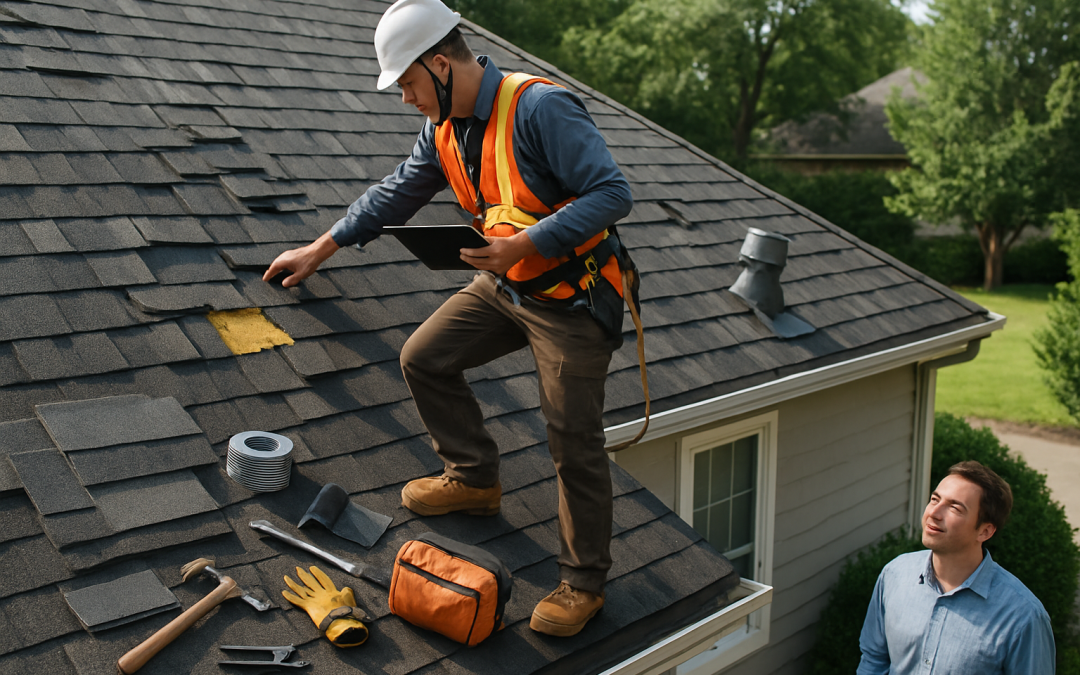
Roof repair costs are determined by four primary variables: the type of damage, roofing material, severity of the problem, and the repair method required to restore structural and weather-resistant performance.
Many homeowners search for roof repair costs expecting a single average price. In reality, roofing repairs function more like a diagnostic system than a flat-rate service. A minor shingle repair, flashing failure, roof leak, storm-damaged section, or structural decking issue can produce dramatically different labor requirements, material needs, and project costs.
This guide explains how roof repair pricing works, what factors drive estimates higher or lower, and how homeowners can evaluate repair recommendations more effectively before approving a project.
Table of Contents
- How Roof Repair Pricing Actually Works
- Roof Repair Cost by Damage Type
- Roof Repair Cost by Roofing Material
- How Damage Severity Impacts Cost
- Repair vs Replacement Decision Thresholds
- Common Roof Repair Methods Explained
- Hidden Cost Drivers Homeowners Often Miss
- How to Evaluate a Roof Repair Estimate
- FAQ
How Roof Repair Pricing Actually Works
Roof repair pricing is generated through a layered cost model rather than a universal price list.
Estimated Roof Repair Cost = Damage Scope + Material Requirements + Labor Complexity + Access Difficulty + Structural Risk Adjustments
Two repairs that appear similar from the ground can have significantly different costs once underlying conditions are evaluated. For example, a visible roof leak may originate from flashing failure, damaged shingles, roof penetrations, underlayment deterioration, or hidden decking damage beneath the roofing surface.
The final estimate reflects the amount of roofing system restoration required—not simply the visible symptom.
Roof Repair Cost by Damage Type
Different roof problems require different repair procedures, labor demands, and material quantities.
Roof Leak Repairs
Leak repairs are among the most common roofing projects. Costs vary depending on whether the issue is isolated to a small penetration point or involves hidden moisture intrusion beneath the roofing system.
Simple leak repairs typically require less labor than widespread moisture-related repairs involving multiple roofing components.
Shingle Damage Repairs
Wind, hail, age, and weather exposure can loosen, crack, curl, or remove shingles.
Localized repairs are often straightforward when matching materials remain available. Costs can increase when older roofing products are discontinued or when damage extends beyond visible areas.
Flashing Repairs
Flashing protects vulnerable roof transitions around chimneys, skylights, vents, valleys, and wall intersections.
Because flashing failures often cause water intrusion, repairs frequently involve both water management restoration and replacement of surrounding materials.
Storm Damage Repairs
Storm-related repairs can involve multiple damage categories simultaneously, including shingles, flashing, gutters, vents, fascia, and decking.
Repair complexity increases when impacts affect large sections of the roofing system.
Structural Roof Repairs
When damage extends beyond surface materials into decking, framing, or load-bearing components, repair costs rise significantly due to increased labor and reconstruction requirements.
Roof Repair Cost by Roofing Material
Roofing material selection influences both repair difficulty and material replacement expenses.
Asphalt Shingles
Asphalt shingles remain the most common residential roofing material and generally offer the widest availability of replacement materials and repair methods.
Architectural Shingles
Architectural shingles provide enhanced durability and appearance but can require more specialized matching and installation procedures.
Metal Roofing
Metal roof repairs often involve panel replacement, fastener corrections, seam repairs, or flashing modifications. Material costs and installation expertise requirements can increase repair pricing.
Tile Roofing
Concrete and clay tile systems require careful handling because surrounding tiles may be affected during repairs. Access and material matching frequently influence costs.
Slate Roofing
Slate roofs often require specialized repair techniques and experienced installers due to the material’s unique characteristics and installation requirements.
How Damage Severity Impacts Cost
Damage severity is often the most important cost variable.
Minor Damage
- Small isolated repair area
- Minimal material replacement
- No structural involvement
- Limited labor requirements
Moderate Damage
- Multiple affected areas
- Expanded repair scope
- Possible underlayment replacement
- Additional waterproofing work
Severe Damage
- Structural involvement
- Widespread moisture intrusion
- Decking deterioration
- Extensive restoration requirements
As severity increases, labor complexity typically becomes a larger cost driver than materials alone.
Repair vs Replacement Decision Thresholds
One of the most important homeowner decisions is determining whether repairs remain economically practical.
Repairs are often most effective when:
- Damage is localized
- The roof is relatively young
- Most roofing components remain functional
- Structural integrity is intact
Replacement may become a consideration when:
- Repairs are recurring
- Large portions of the roof are compromised
- Multiple roofing systems have reached the end of service life
- Structural deterioration is widespread
The decision should be based on overall roofing system condition rather than the immediate repair area alone.
Common Roof Repair Methods Explained
The repair method selected directly affects project complexity and cost.
- Spot repairs: isolated corrections for localized issues
- Section repairs: replacement of larger damaged areas
- Flashing replacement: restoration of vulnerable transitions
- Underlayment repairs: correction of moisture-protection layers
- Decking repairs: restoration of structural roof surfaces
Each method addresses a different failure point within the roofing system.
Hidden Cost Drivers Homeowners Often Miss
Many repair estimates are affected by factors that are not immediately visible during an initial inspection.
- Hidden water damage beneath roofing materials
- Rotting roof decking
- Ventilation deficiencies
- Code compliance upgrades
- Difficult roof access conditions
- Steep roof pitch
- Multiple roof levels and transitions
These variables often explain why final project costs differ from initial homeowner expectations.
How to Evaluate a Roof Repair Estimate
A quality estimate should clearly explain both the visible damage and the underlying repair strategy.
When comparing proposals, homeowners should look for:
- Detailed scope of work
- Specific materials being replaced
- Explanation of damage cause
- Repair methodology
- Warranty information
- Cleanup procedures
- Project timeline expectations
The most useful estimates explain not only what is being repaired, but why those repairs are necessary.
Frequently Asked Questions
What affects roof repair cost the most?
Damage severity, repair complexity, roofing material type, and structural involvement typically have the greatest impact on overall repair costs.
Is roof leak repair expensive?
Costs depend on the source of the leak and whether hidden moisture damage exists beneath roofing materials.
Can a roof be repaired instead of replaced?
Many roofing problems can be repaired when damage remains localized and the overall roof system remains in good condition.
Do roofing materials affect repair costs?
Yes. Material availability, installation complexity, and specialized labor requirements can significantly influence repair pricing.
Why do roofing estimates vary so much?
Different contractors may identify different scopes of work, hidden damage risks, material requirements, and repair approaches.
Final Perspective
Roof repair costs are ultimately driven by system condition rather than a universal pricing chart. The type of damage, roofing material, severity level, and repair method all influence how much work is required to restore weather protection and structural performance.
Homeowners who understand these variables are better equipped to compare estimates, evaluate recommendations, and make informed decisions about whether a repair, larger restoration, or replacement strategy is the most appropriate solution.