
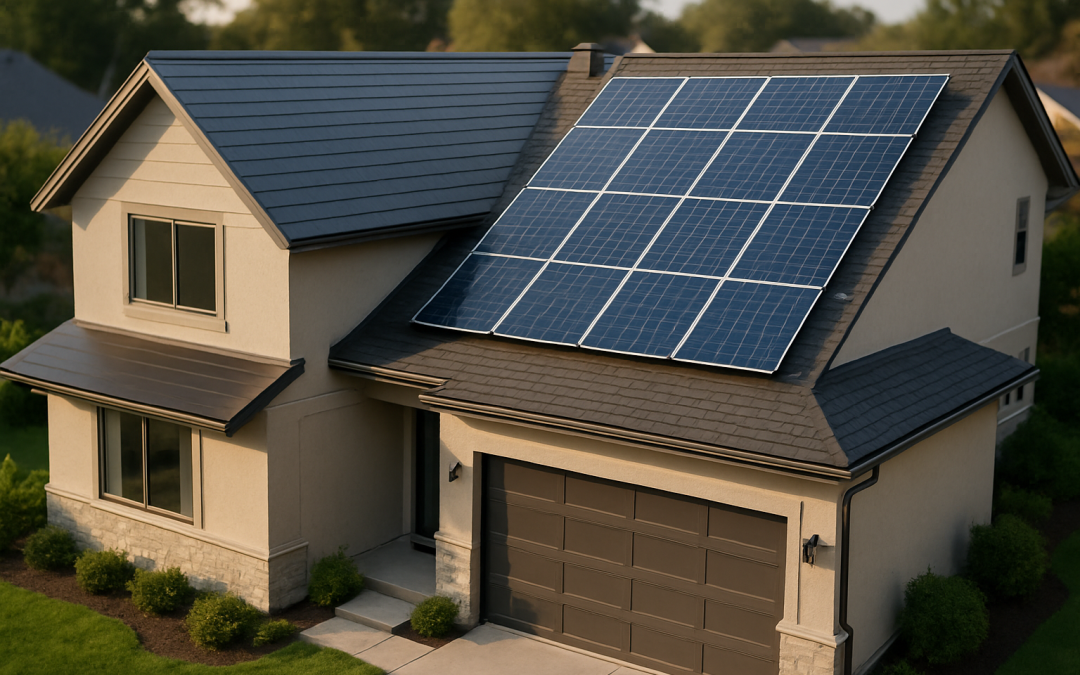
Tesla Solar Roof vs Solar Panels: Which Is the Better Investment?
If you need a new roof and want solar power, Tesla Solar Roof can be a smart “all-in-one” option, but it usually costs much more upfront than traditional solar panels on a standard roof. For most homeowners, conventional solar panels on an asphalt shingle roof give a better return on investment, while Tesla Solar Roof makes more sense if you already need a full roof replacement and care strongly about appearance. Expect a full Tesla Solar Roof to run well into the tens of thousands of dollars more than a panel system, and installation timelines can be longer. Local incentives, your roof’s condition, and how long you plan to stay in the home all affect which choice is truly “better” for you.
If you’re comparing Tesla Solar Roof vs solar panels, you’re likely juggling three big concerns: roof condition, energy savings, and total cost. This guide is written for homeowners who may already be facing roof damage, an aging roof, or storm issues and are wondering if now is the time to combine roofing and solar. We’ll walk through how each option works, what it really costs, when insurance might help, and how to decide whether to repair, replace, or invest in a full solar roof system.
Table of Contents
- What Is a Tesla Solar Roof?
- How Traditional Solar Panels Work on a Standard Roof
- When Your Existing Roof Condition Matters Most
- Cost Comparison: Tesla Solar Roof vs Solar Panels
- Insurance and Claims: What’s Usually Covered
- Repair vs Replace vs Go Solar
- Timeline and Urgency: How Fast You Need to Act
- Common Mistakes Homeowners Make
- How to Decide What’s Right for You
- Frequently Asked Questions
- Summary and Next Steps
What Is a Tesla Solar Roof?
Basic idea in homeowner terms
A Tesla Solar Roof replaces your entire roof with glass and steel tiles, some of which generate electricity. Instead of mounting panels on top of shingles, the roofing material itself is the solar system. It’s designed to look more like a high-end roof than a typical solar array.
Because it’s both a roof and a solar system, you’re paying for two things at once: a full roof replacement and a full solar installation. This is why the upfront cost is significantly higher than just adding panels to an existing roof.
What’s actually on your roof
A Tesla Solar Roof is made up of:
- Active solar tiles – these generate electricity.
- Non-solar tiles – these fill in the rest of the roof so it looks uniform.
- Underlayment and flashing – the waterproof layers and metal pieces that keep water out.
- Optional Powerwall batteries – for backup power and storing extra energy.
From the ground, it looks like a sleek, modern roof rather than a traditional solar panel system.
Common reasons homeowners consider Tesla Solar Roof
- Your current roof is old or damaged and needs full replacement anyway.
- You dislike the look of traditional solar panels.
- You plan to stay in the home long enough to benefit from long-term energy savings.
- You want a single, integrated system from one brand rather than multiple contractors.
Limitations and uncertainties
- Higher upfront cost than almost any other roofing and solar combination.
- Availability and installer experience can vary widely by region.
- Longer timelines from contract to completion compared to a standard roof or panel install.
- Complex warranty and service process that may involve both roofing and electrical components.
How Traditional Solar Panels Work on a Standard Roof
What “solar panels on a roof” really means
With a conventional system, you keep your existing roof (or install a new standard roof) and mount solar panels on top using racks. The roof and the solar system are separate, even if they’re installed around the same time.
This is usually the most cost-effective way to add solar because you can choose an affordable roofing material and a competitively priced solar installer.
Best roof types for solar panels
Solar panels can be installed on many roof types, but they’re easiest and cheapest to mount on:
- Asphalt shingle roofs
- Simple gable or hip roofs with few dormers or valleys
- Roofs with good sun exposure and minimal shade
Tile, metal, and flat roofs can also work, but mounting hardware and labor may cost more.
When you should replace the roof before adding panels
If your roof is near the end of its life, it’s usually smarter to replace it before adding solar panels. Otherwise, you may have to remove and reinstall the panels in a few years, which adds cost.
As a general rule, if your roof has less than 10–15 years of life left, talk to a roofer about replacement before installing solar. You can learn more about roof lifespans in this guide on how long a roof lasts and warning signs to watch for.
When Your Existing Roof Condition Matters Most
What to check first (safe, from the ground)
Before you get serious about Tesla Solar Roof or solar panels, look for basic signs of roof trouble from the ground or through windows:
- Missing, curled, or cracked shingles
- Dark streaks, moss, or obvious wear
- Sagging areas or uneven roof lines
- Water stains on ceilings or walls inside the home
Do not climb on the roof yourself. If you see any of these issues, schedule a professional roof inspection.
Signs the problem is serious
Your roof may need urgent attention if you notice:
- Active leaks during or after rain
- Multiple interior water stains spreading over time
- Soft spots in ceilings or around skylights
- Large areas of missing shingles after a storm
In these cases, deciding between Tesla Solar Roof and solar panels is secondary. You first need to determine whether repair or full roof replacement is necessary to protect your home.
How roof condition affects your solar choice
- Roof in good shape (10–20 years of life left): Traditional solar panels are usually the better investment.
- Roof near end of life or storm-damaged: You’ll likely need a full replacement, so comparing a standard roof + panels vs Tesla Solar Roof makes sense.
- Severe structural issues: These must be fixed before any solar system is installed, regardless of type.
Cost Comparison: Tesla Solar Roof vs Solar Panels
Typical cost ranges
Actual prices vary by home size, location, and energy needs, but in general:
- Traditional roof repair (no solar):
- Minor repair: $150–$1,000
- Moderate repair: $1,000–$3,000
- Major repair: $3,000–$7,000+
- Full standard roof replacement (no solar):
- Typical asphalt shingle roof: $5,000–$15,000+ depending on size and complexity
- Traditional solar panels on an existing or new roof:
- Common residential systems: often in the $10,000–$25,000 range before incentives, depending on system size
- Tesla Solar Roof:
- Frequently significantly higher than a standard roof + panels combined, especially on complex roofs
For a typical home, a Tesla Solar Roof can easily cost tens of thousands of dollars more than a comparable panel system, even after tax credits.
What affects total cost the most
- Roof size and complexity – More surface area, steep pitches, and many valleys or dormers increase labor and materials.
- Roofing material – Asphalt shingles are usually the most affordable; premium materials cost more.
- Solar system size – Higher energy needs require more solar tiles or panels.
- Local labor rates – Prices vary by region and contractor demand.
- Electrical upgrades – Older homes may need panel or wiring upgrades for any solar system.
When costs jump significantly
Your project cost can increase sharply if:
- Your roof structure needs reinforcement before any solar can be installed.
- You have complex roof shapes that require more custom work.
- You add battery storage (like Powerwall) for backup power.
- You choose premium roofing materials or finishes.
To better understand standard roof pricing before adding solar, you can review this detailed guide on roof replacement costs.
When repair is no longer worth it
Roof repair alone may not be worth it if:
- Your roof is already near the end of its expected lifespan.
- You’ve had repeated leaks or repairs in the same area.
- Storm damage is widespread across large sections of the roof.
In those cases, it’s usually smarter to invest in a full replacement and then decide whether to add solar panels or consider a Tesla Solar Roof.
Insurance and Claims: What’s Usually Covered
When homeowners insurance may apply
Homeowners insurance typically covers sudden, accidental damage to your roof, such as:
- Hail damage
- Wind damage (missing shingles, lifted shingles)
- Falling tree limbs
- Damage from certain storms or debris
Insurance usually does not cover normal wear and tear, age-related deterioration, or poor installation.
How this affects Tesla Solar Roof vs solar panels
- If a storm damages your existing roof, insurance may help pay for a like-kind roof replacement (for example, asphalt shingles), not a premium upgrade like Tesla Solar Roof.
- You can often choose to upgrade and pay the difference out of pocket.
- Solar panels themselves may be covered under your policy once installed, but coverage details vary.
How to file a claim (basic steps)
- Document visible damage with photos from the ground and inside the home.
- Contact your insurance company promptly after the event.
- Schedule an inspection with the adjuster.
- Get at least one independent roofing contractor’s opinion and estimate.
Do not sign any contracts or assign benefits to a contractor before you fully understand your coverage and obligations.
Common mistakes that get claims denied
- Waiting too long to report damage after a storm.
- Failing to maintain the roof over the years (insurers may call this neglect).
- Making temporary repairs without documenting the original damage.
- Relying only on a contractor’s word without reading your policy.
Repair vs Replace vs Go Solar
When a simple repair is enough
A basic roof repair may be all you need if:
- The damage is limited to a small area (a few shingles, a minor flashing issue).
- Your roof is otherwise in good condition and relatively young.
- There are no ongoing or widespread leaks.
In this case, you might delay both a full roof replacement and solar until later, especially if your budget is tight.
When a full roof replacement makes more sense
Consider full replacement if:
- Your roof is near or past its expected lifespan.
- There are multiple leaks or widespread shingle damage.
- Storm damage affects large sections of the roof.
Once you know you need a new roof, you can compare:
- Standard roof + traditional solar panels
- Tesla Solar Roof (roof and solar combined)
For more help on this decision, see this guide on roof repair vs roof replacement.
When Tesla Solar Roof might be the better investment
Tesla Solar Roof may make sense if:
- You already need a full roof replacement.
- You strongly prefer the look of a solar roof over visible panels.
- You plan to stay in the home long enough to benefit from long-term energy savings.
- You’re comfortable with a higher upfront cost for an integrated system.
When traditional solar panels are usually better
Conventional solar panels on a standard roof are often the better choice if:
- Your existing roof is in good condition and doesn’t need replacement yet.
- You want the best return on investment and faster payback.
- You’re okay with the look of panels on the roof.
- You want flexibility to choose among many local solar installers.
Timeline and Urgency: How Fast You Need to Act
When action is urgent
Act quickly if you have:
- Active leaks or water dripping inside the home
- Ceilings bulging or sagging from trapped water
- Significant storm damage visible from the ground
In these situations, your priority is to stop water intrusion and protect the structure. The choice between Tesla Solar Roof and solar panels can come after a roofer stabilizes the situation and assesses damage.
Typical timelines
- Roof inspection: Often within a few days, depending on contractor availability.
- Minor to moderate repairs: Usually completed in 1–2 days once scheduled.
- Full roof replacement: Typically 1–3 days for an average home, once materials and crew are scheduled.
- Traditional solar panel installation: Often 1–3 days after permits and approvals.
- Tesla Solar Roof installation: Can take longer overall due to design, permitting, and specialized installation.
Planning ahead vs reacting to damage
If your roof is still in decent shape and you’re planning ahead, you have time to compare quotes, research options, and decide whether Tesla Solar Roof is worth the premium. If you’re dealing with active leaks or storm damage, focus first on getting a professional inspection and temporary protection in place, then evaluate long-term options once the roof is secure.
Common Mistakes Homeowners Make
Focusing only on the solar brand, not the roof
Many homeowners get excited about solar and overlook the condition of the roof underneath. Installing any solar system on a failing roof can lead to leaks, extra costs, and frustration later.
Always have a qualified roofer evaluate your roof’s condition before committing to solar.
Underestimating total project cost
It’s easy to compare only the solar portion of the quote and forget about:
- Roof replacement costs
- Electrical upgrades
- Permits and inspections
- Potential structural work
Ask for itemized estimates so you can clearly see what you’re paying for.
Assuming insurance will pay for upgrades
Insurance usually pays to restore your home to its previous condition, not to upgrade to premium products. If you want a Tesla Solar Roof instead of a standard replacement, expect to pay the difference yourself.
Not getting multiple opinions
Relying on a single contractor or salesperson can lead to biased advice. Get at least two or three quotes and opinions, especially for large projects like a full roof replacement or solar roof system.
To protect yourself, it’s wise to understand the warning signs that a roofer may not be honest.
How to Decide What’s Right for You
Key questions to ask yourself
- What is the current condition of my roof? Do I need repair, full replacement, or just maintenance?
- How long do I plan to stay in this home? Longer stays favor bigger investments like Tesla Solar Roof.
- What is my budget and comfort level with upfront costs?
- How important is appearance? Do visible panels bother you, or are you fine with them?
- What are my local incentives and utility rates? These affect solar payback time.
Repair vs replace vs solar: a simple framework
- If the roof is leaking or badly damaged:
- Get a professional inspection immediately.
- Decide if repair is safe and cost-effective or if full replacement is needed.
- Once the roof plan is clear, evaluate whether to add solar panels or consider Tesla Solar Roof.
- If the roof is aging but not yet failing:
- Plan for replacement within the next few years.
- Compare the cost of a standard roof + panels vs Tesla Solar Roof.
- If the roof is in good shape:
- Traditional solar panels are usually the better investment.
- Monitor the roof over time and plan for future replacement.
When to contact a roofing contractor
Contact a qualified roofing contractor when:
- You see any signs of leaks or interior water damage.
- Your roof is over 15–20 years old and you’re considering solar.
- A storm has recently hit your area and neighbors are having roof work done.
A good roofer can tell you whether your roof is a candidate for repair, full replacement, or safe to keep as-is while you add solar panels.
Frequently Asked Questions
Is a Tesla Solar Roof worth it compared to solar panels?
It can be worth it if you already need a full roof replacement, care a lot about appearance, and plan to stay in the home long term. For most homeowners focused on cost and payback, traditional solar panels on a standard roof usually provide a better return on investment.
Can I add Tesla Solar Roof to an existing roof?
No. A Tesla Solar Roof is a complete roof replacement, not something installed on top of your current roof. Your existing roofing material is removed, and the solar tiles become the new roof surface.
What if my roof is old but not leaking yet?
If your roof is nearing the end of its life, it’s smart to plan for replacement before adding any solar system. You can then compare the cost of a standard roof plus panels versus a Tesla Solar Roof and choose the option that best fits your budget and goals.
Does homeowners insurance cover Tesla Solar Roof?
Insurance may cover storm damage to a Tesla Solar Roof once it’s installed, similar to other roofing materials, but policies vary. Insurance generally will not pay to upgrade from a standard roof to a Tesla Solar Roof; you would pay the upgrade cost yourself.
How long does it take to install a Tesla Solar Roof?
The actual installation on your home may take several days to a couple of weeks, depending on roof size and complexity. However, the full process including design, permitting, and scheduling can take significantly longer than a standard roof replacement or a traditional solar panel installation.
Should I wait to add solar until I replace my roof?
If your roof is older or has less than 10–15 years of life left, it’s usually better to coordinate roof replacement and solar together. If your roof is relatively new and in good condition, you can add traditional solar panels now without waiting.
Summary and Next Steps
For most homeowners, traditional solar panels on a standard roof are the better financial investment, especially if your current roof is in good condition. Tesla Solar Roof can make sense if you already need a full roof replacement, want a cleaner look, and are comfortable with a higher upfront cost for an integrated system.
The real deciding factors are your roof’s current condition, your budget, and how long you plan to stay in the home. If you’re unsure, start with a professional roof inspection to understand whether you need repair, replacement, or just maintenance. From there, compare detailed quotes for a standard roof plus panels versus a Tesla Solar Roof so you can choose the option that protects your home and meets your energy goals.
To move forward confidently, schedule a roof inspection with a reputable local contractor and ask for clear, itemized estimates. Compare multiple quotes, ask questions about roof life and solar compatibility, and act quickly if you see signs of leaks or storm damage so small issues don’t turn into expensive problems.