
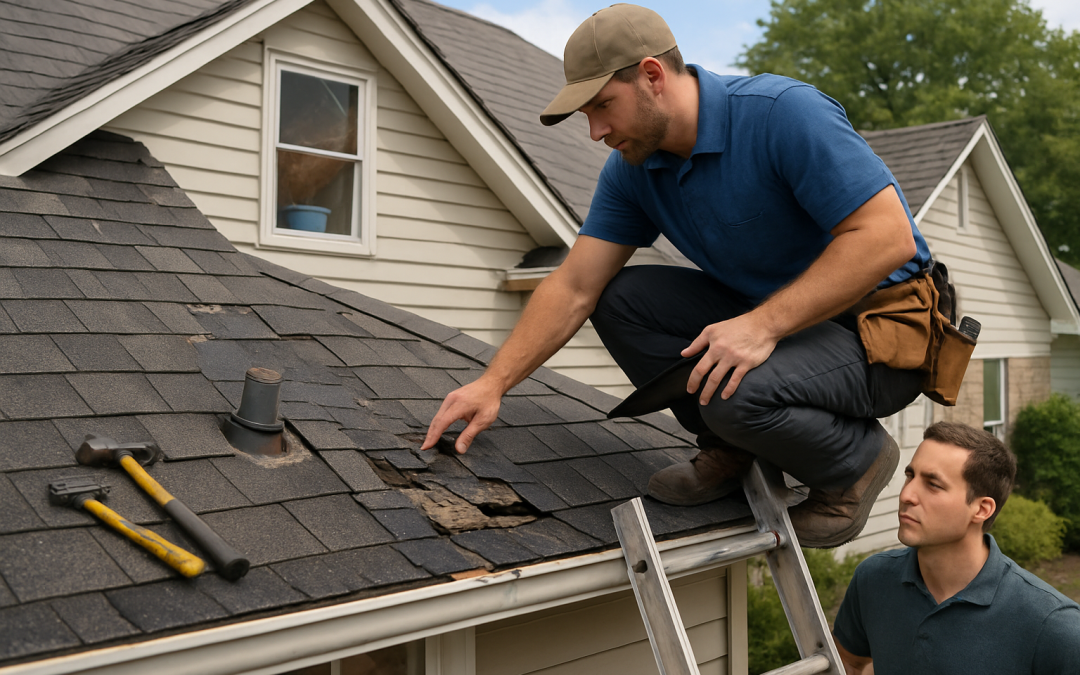
Leaking Roof Repair: What Homeowners Should Do Immediately, Repair Options, and Typical Costs
If your roof is leaking, move belongings, contain the water with buckets or towels, and safely check for obvious interior signs of damage, then call a roofing contractor as soon as possible. Most small roof leak repairs cost between $150 and $1,000, but leaks from major storm damage or older roofs can run $3,000–$7,000+ or even require full replacement starting around $5,000–$15,000+. The faster you act, the more likely you can limit drywall, insulation, and mold damage. Exact costs and solutions depend on what’s causing the leak, your roof’s age, and whether insurance will help pay for repairs.
A roof leak is stressful because it threatens your home’s structure, belongings, and budget at the same time. This guide is for homeowners who have an active leak or recent water stains and need clear, calm guidance on what to do first, what repairs might cost, and whether to repair, replace, or file an insurance claim. You’ll learn how serious your leak might be, when to call a contractor, and how to avoid common, expensive mistakes.
Table of Contents
- What a Roof Leak Really Means for Your Home
- Common Causes of a Leaking Roof
- What to Do Immediately When Your Roof Is Leaking
- Signs Your Roof Leak Is Serious or an Emergency
- When to Call a Roofing Contractor
- Roof Leak Repair Options
- Typical Costs for Leaking Roof Repair and Replacement
- Roof Leaks and Homeowners Insurance: When Claims Make Sense
- Repair vs. Replace: How to Decide What Your Roof Really Needs
- How Fast You Need to Act on a Roof Leak
- Common Mistakes Homeowners Make With Roof Leaks
- Frequently Asked Questions
- Summary: What to Do Next
What a Roof Leak Really Means for Your Home
A roof leak means water is getting past your roofing materials and into the structure of your home. Even a small drip can travel along wood, insulation, and drywall before it finally shows up as a stain on your ceiling.
By the time you see a stain or water dripping:
- Insulation may already be wet and losing effectiveness.
- Wood framing or roof decking may be starting to rot.
- Mold can begin to grow in as little as 24–48 hours in damp areas.
So a roof leak is not just a cosmetic issue; it’s a sign that your home’s protective shell has been compromised and needs attention quickly.
Common Causes of a Leaking Roof
Most roof leaks come from a few predictable problems. Understanding these helps you talk clearly with a contractor and set realistic expectations.
Storm and Weather Damage
- Wind damage: Lifts or tears shingles, exposing the underlayment or wood deck.
- Hail damage: Bruises or cracks shingles, leading to leaks over time.
- Heavy rain: Finds weak spots around vents, chimneys, and flashing.
- Ice dams (cold climates): Melting snow backs up under shingles and leaks into the attic.
Age and Wear
- Asphalt shingles typically last 15–30 years depending on quality and climate.
- Over time, shingles lose granules, curl, crack, and become brittle.
- Old sealants around vents and chimneys dry out and split.
Installation and Design Issues
- Poorly installed flashing around chimneys, skylights, and walls.
- Improperly sealed roof penetrations (vents, pipes, satellite mounts).
- Insufficient slope or drainage, causing water to pool.
Other Common Causes
- Clogged gutters causing water to back up under shingles.
- Tree branches rubbing or falling on the roof.
- Animal damage (squirrels, birds, raccoons) at edges or vents.
What to Do Immediately When Your Roof Is Leaking
Your first goal is to protect people and property, then limit further damage. You do not need to go on the roof to do this.
1. Protect People and Belongings
- Move furniture, electronics, and valuables away from the leak area.
- Place buckets, pans, or large containers under active drips.
- Lay towels or plastic sheeting on the floor to prevent water damage.
2. Relieve Water Buildup Safely (Ceiling Bulges)
If you see a large bulge in the ceiling full of water, it can suddenly burst.
- Keep people and pets away from the area.
- If you feel comfortable, you can carefully poke a small hole in the lowest point of the bulge with a screwdriver or nail to let water drain into a bucket below.
- If you are unsure or the ceiling looks unstable, wait for a professional.
3. Do a Safe, Ground-Level Visual Check
Without climbing on the roof, walk around your home and look for:
- Missing, curled, or broken shingles you can see from the ground.
- Loose or hanging gutters.
- Obvious damage from a fallen branch or storm debris.
Inside, check:
- Attic (if safely accessible) for wet insulation, dark stains, or active drips.
- Ceilings and upper walls for new stains or peeling paint.
4. Call a Roofing Contractor Promptly
Once you’ve contained the water as best you can, contact a reputable roofing contractor for an inspection. If the leak is active during a storm, many companies can provide temporary tarping or emergency measures until a full repair is possible.
Signs Your Roof Leak Is Serious or an Emergency
Some leaks can wait a few days for repair; others need immediate attention. Watch for these warning signs.
Structural or Safety Concerns
- Ceiling sagging or bowing.
- Large, fast-growing water stains.
- Water near electrical fixtures, light cans, or breaker panels.
- Strong musty odors suggesting long-term moisture and mold.
These situations can be dangerous and should be treated as urgent. Turn off power to affected areas if water is near electrical components and call a professional right away.
Signs the Leak Has Been Going On for a While
- Multiple old and new stains in different rooms.
- Peeling paint or bubbling drywall on ceilings or upper walls.
- Visible mold or mildew on ceilings, walls, or in the attic.
Long-term leaks often mean more extensive damage behind the surfaces and can significantly increase repair costs.
Storm-Related Red Flags
- Recent hail, high winds, or a major storm in your area.
- Shingles or roofing pieces on the ground.
- Neighbors getting roof inspections or repairs after the same storm.
In these cases, you may have widespread roof damage even if you only see a small leak inside.
When to Call a Roofing Contractor
In most cases, you should call a roofing contractor as soon as you notice a leak or new water stain. Roof leaks rarely fix themselves and almost always get worse over time.
Call Immediately If:
- Water is actively dripping inside your home.
- You see ceiling sagging, large bulges, or cracks.
- Water is near electrical fixtures or wiring.
- A recent storm caused visible roof or tree damage.
Call Within a Few Days If:
- You notice a new but small ceiling stain with no active dripping.
- You see minor shingle damage from the ground.
- Your roof is older (15+ years) and you’re seeing early signs of wear.
Why a Professional Inspection Matters
- Leaks can travel; the wet spot inside is often not directly under the roof problem.
- Professionals know how to walk roofs safely and find hidden damage.
- A written inspection report can support an insurance claim if storm damage is involved.
If you’re unsure whether you need a repair or a full replacement, a contractor can help you compare options. For a deeper dive into that decision, see the guide on roof repair vs. roof replacement and how to know which you need.
Roof Leak Repair Options
The right repair depends on what’s causing the leak, how old your roof is, and how widespread the damage is.
Minor Repairs
Typical for newer or generally healthy roofs with a small, isolated issue.
- Replacing a few damaged or missing shingles.
- Resealing or replacing flashing around a vent, chimney, or skylight.
- Repairing a small section of roof where nails have backed out or seals have failed.
These repairs are usually quick (often under a day) and relatively affordable.
Moderate Repairs
Needed when the leak has affected a larger area or multiple components.
- Replacing a larger section of shingles and underlayment.
- Repairing or replacing damaged roof decking (the wood under the shingles).
- Addressing multiple leak points around chimneys, valleys, or walls.
These jobs may take a full day or more and often involve more labor and materials.
Major Repairs
Required when there is significant structural or widespread damage but a full replacement may still be avoidable.
- Extensive decking replacement in one or more areas.
- Major flashing reconstruction around large chimneys or wall intersections.
- Repairing damage from long-term leaks, including rot and mold remediation (often involving other trades).
Full Roof Replacement
Sometimes, repairing a leaking roof is no longer the best investment.
- Your roof is near or past its expected lifespan.
- Leaks are recurring in different areas.
- There is widespread shingle damage from storms or age.
- Repairs would cost a large percentage of a full replacement.
For details on what to expect from a full replacement, including timeline and process, see the roof replacement FAQs guide.
Typical Costs for Leaking Roof Repair and Replacement
Roof leak repair costs vary widely, but there are typical ranges that can help you plan.
Typical Cost Ranges
- Minor roof repair: $150–$1,000
- Small shingle patches, resealing flashing, minor vent repairs.
- Moderate repair: $1,000–$3,000
- Larger shingle sections, some decking replacement, multiple leak points.
- Major repair: $3,000–$7,000+
- Extensive decking repair, structural work, or long-term water damage.
- Full roof replacement: $5,000–$15,000+ (or more for large or premium roofs)
- Complete tear-off and replacement of shingles, underlayment, and often flashing.
What Affects Roof Leak Repair Cost
- Roof size and pitch: Larger or steeper roofs require more labor and safety measures.
- Material type: Asphalt shingles are usually cheapest; metal, tile, and specialty materials cost more.
- Extent of damage: Hidden rot, mold, or structural issues can add significantly to the bill.
- Accessibility: Multi-story homes or complex roof designs are harder to work on.
- Location and labor rates: Costs vary by region and local demand.
When Costs Increase Significantly
- Long-term leaks that have damaged framing, insulation, and drywall.
- Storm damage across a large portion of the roof.
- Code upgrades required during major repairs or replacement.
At a certain point, putting more money into an old, failing roof stops making sense. If repair estimates are approaching 30–50% of a full replacement cost and your roof is older, replacement is often the smarter long-term choice. For example, if you’re evaluating a typical home size, the guide on how much it costs to re-roof a 2000 sq ft house can provide helpful benchmarks.
Roof Leaks and Homeowners Insurance: When Claims Make Sense
Homeowners insurance may help pay for roof leak repairs, but only in certain situations. Understanding what’s covered can save you time and frustration.
When Insurance Usually Covers Roof Damage
Policies typically cover sudden, accidental damage, such as:
- Wind damage from a storm that tears off shingles.
- Hail damage that cracks or bruises shingles.
- Fallen tree limbs that damage the roof.
- Fire or other covered perils.
If the leak is directly caused by one of these events and you act promptly, your policy may cover repair or even full replacement, minus your deductible.
When Insurance Usually Does Not Cover Roof Leaks
- Wear and tear or age-related deterioration.
- Neglect or lack of maintenance (e.g., long-term leaks you didn’t address).
- Improper installation or construction defects.
In these cases, the cost is typically your responsibility.
How to File a Roof Damage Claim
- Document the damage with photos and videos (inside and outside, if safe).
- Note the date and cause (e.g., specific storm, hail event, fallen tree).
- Contact your insurance company to report the claim as soon as possible.
- Schedule an inspection with the insurance adjuster.
- Have a roofing contractor provide an independent inspection and estimate.
Common Mistakes That Get Claims Denied
- Waiting too long to report damage after a storm.
- Not maintaining the roof, leading the insurer to call it “wear and tear.”
- Accepting the first adjuster opinion without a contractor’s input.
- Making permanent repairs before the adjuster inspects (temporary emergency measures are usually fine, but keep receipts).
Working with a reputable roofing contractor who has experience with insurance claims can help you avoid these pitfalls and ensure the damage is properly documented.
Repair vs. Replace: How to Decide What Your Roof Really Needs
Deciding between repairing a leak and replacing the entire roof is one of the biggest financial choices a homeowner faces. Use these factors to guide your decision.
When a Repair Usually Makes Sense
- Your roof is relatively young (under 10–15 years for asphalt shingles).
- The damage is limited to a small, clearly defined area.
- The rest of the roof looks healthy with no widespread curling, cracking, or missing granules.
- The repair cost is modest compared to replacement (well under 30% of a new roof).
When Replacement Is Often the Better Choice
- Your roof is near or past its expected lifespan.
- You’ve had multiple leaks in different areas over the last few years.
- There is widespread shingle damage or granule loss.
- Repairs are quoted at a high percentage of a full replacement cost.
- Insurance is willing to cover a significant portion of a replacement due to storm damage.
Should You File an Insurance Claim?
Consider filing a claim if:
- The damage is clearly tied to a recent storm or covered event.
- Repair or replacement costs are likely to be much higher than your deductible.
- Multiple homes in your area are getting roofs inspected or replaced after the same storm.
You may want to pay out of pocket if the damage is minor, clearly due to age or neglect, or the cost is close to your deductible and not worth a claim on your record.
Should You Get Multiple Quotes?
- For anything beyond a very small repair, getting 2–3 quotes is wise.
- Be cautious of quotes that are dramatically lower than others; they may cut corners or use poor materials.
- Check reviews, references, and licensing, and watch for the warning signs described in resources like the guide on how to tell if a roofer is lying.
How Fast You Need to Act on a Roof Leak
Timing matters with roof leaks because water damage compounds quickly.
Emergency (Same Day)
- Active, heavy leaking during or after a storm.
- Ceiling sagging or at risk of collapse.
- Water near electrical fixtures or panels.
- Large tree limb or debris has hit the roof.
In these cases, call for emergency service or tarping right away.
Urgent (Within a Few Days)
- New ceiling stains with intermittent dripping.
- Visible shingle damage after a storm, even if you don’t see water inside yet.
- Musty odors or dampness in the attic.
Soon (Within a Few Weeks)
- Minor, stable stains that are not growing.
- Early signs of roof wear on an older roof with no active leaks yet.
Even if it doesn’t feel urgent, scheduling an inspection sooner rather than later can prevent a small issue from turning into a major repair or full replacement.
Common Mistakes Homeowners Make With Roof Leaks
A few common missteps can turn a manageable leak into a much bigger problem.
Waiting Too Long to Address the Leak
- Hoping it will “dry out” or go away on its own.
- Ignoring small stains that slowly grow over time.
- Delaying an inspection after a major storm.
Trying Dangerous DIY Repairs
- Climbing on a wet or steep roof without proper safety gear.
- Using temporary fixes like tarps or sealants incorrectly, which can trap water.
- Drilling or cutting into structural components without understanding the consequences.
DIY can be tempting, but falls and improper repairs are common and costly. Leave roof work to trained professionals.
Hiring the Wrong Contractor
- Choosing solely based on the lowest price.
- Working with storm chasers who appear after big storms and then disappear.
- Not checking licenses, insurance, or references.
Skipping Preventive Maintenance
- Not cleaning gutters, leading to water backup.
- Ignoring small issues like cracked caulking or minor shingle damage.
- Never scheduling routine roof inspections.
Regular maintenance and inspections can significantly extend your roof’s life and catch small leaks early. For a broader look at how to keep your home in good condition and avoid surprise repairs, see the guide on home maintenance and preventing costly repairs.
Frequently Asked Questions
How much does it cost to fix a leaking roof?
Most minor roof leak repairs cost between $150 and $1,000, depending on the cause and how easy it is to access. Moderate repairs typically range from $1,000 to $3,000, while major repairs can run $3,000–$7,000+ or lead to a full replacement starting around $5,000–$15,000+.
Can a small roof leak cause serious damage?
Yes. Even a small leak can soak insulation, damage wood framing, and lead to mold growth if left untreated. Over time, this hidden damage can become far more expensive than fixing the original leak promptly.
Should I repair or replace my roof if it’s leaking?
If your roof is relatively new and the damage is limited, a repair is often enough. If your roof is older, has multiple leaks, or shows widespread wear, replacement may be more cost-effective and reliable in the long run.
Will homeowners insurance pay for my roof leak repair?
Insurance may help if the leak is caused by a sudden, covered event like a storm, hail, or a fallen tree. It usually will not cover leaks from age, wear and tear, or lack of maintenance, so it’s important to document storm damage and act quickly.
How quickly do I need to fix a leaking roof?
Active leaks, sagging ceilings, or water near electrical fixtures should be treated as emergencies and addressed immediately. Smaller, non-growing stains still warrant an inspection within days to weeks to prevent the problem from worsening.
Can I stay in my home while my leaking roof is being repaired?
In most cases, yes. Roof leak repairs are usually done from the outside, and interior work is limited to affected areas. If there is major structural damage, mold, or extensive ceiling replacement, you may need to avoid specific rooms temporarily.
Summary: What to Do Next
A leaking roof means water is getting past your home’s first line of defense and can quickly damage insulation, wood, and drywall. The most common causes are storms, age-related wear, and installation or flashing issues.
Your next steps should be to protect belongings, safely contain the water, and schedule a professional roof inspection as soon as possible. From there, compare repair vs. replacement options, consider whether an insurance claim makes sense, and get at least one or two additional quotes for larger jobs.
Acting quickly is the best way to keep costs under control and protect your home’s value. Arrange a professional roof inspection, review written estimates carefully, and choose a qualified contractor so you can stop the leak, address any hidden damage, and restore your roof’s ability to protect your home for years to come.