
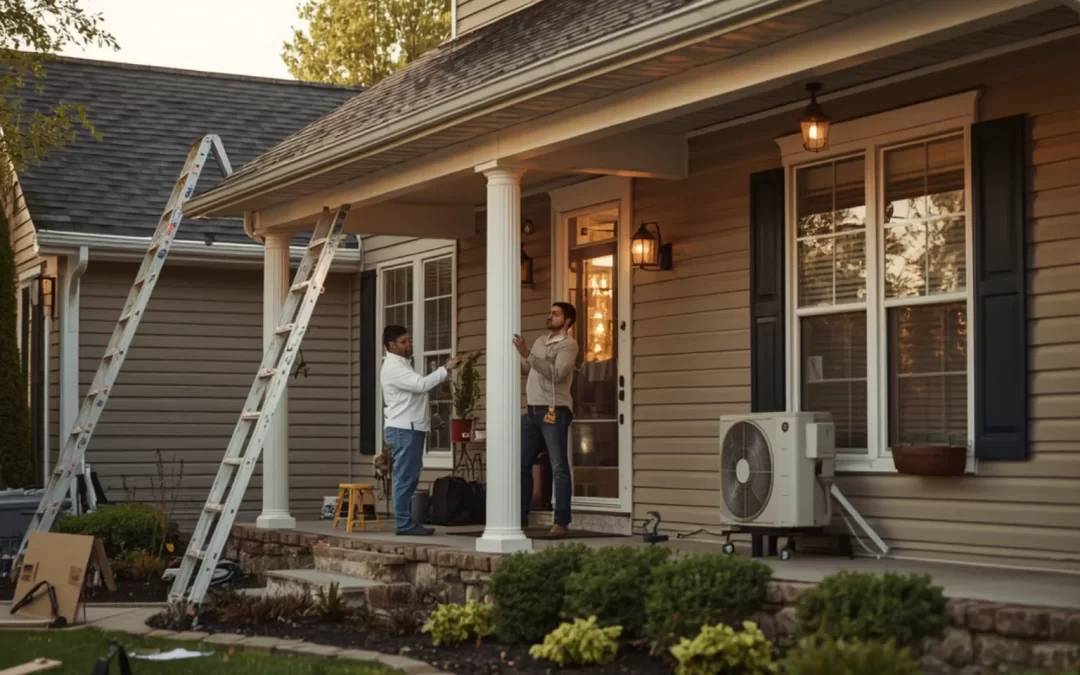
Home maintenance is the ongoing process of inspecting, cleaning, repairing, and servicing the systems and materials that keep a house safe, efficient, and structurally sound. Staying ahead of maintenance helps prevent expensive repairs, extends the life of major components like roofing and HVAC systems, and protects long-term property value. The most effective approach is not reacting to emergencies after something fails, but following a practical schedule that catches small issues before they become major problems.
Good home maintenance is preventative, not reactive. Most major home repairs begin as smaller warning signs that were missed, delayed, or ignored: minor roof leaks that turn into interior water damage, clogged gutters that lead to foundation issues, neglected HVAC systems that fail during extreme weather, or small plumbing leaks that quietly create mold and rot. The biggest factor affecting long-term maintenance costs is consistency. Homeowners who inspect and service their property regularly usually spend less over time than those forced into emergency repairs.
Whether you own a newer home or an aging property, understanding what actually needs attention — and when — helps you prioritize repairs, avoid unnecessary expenses, and make better decisions about professional services and upgrades.
Table of Contents
- What Home Maintenance Really Involves
- How Home Maintenance Works (Step-by-Step)
- The Main Areas of Home Maintenance
- Seasonal Home Maintenance Checklist
- Costs, Tradeoffs, and What to Expect
- How to Keep Maintenance Manageable
- Common Home Maintenance Mistakes to Avoid
- Home Maintenance Decision Guide
- FAQ
- Summary and Next Steps
What Home Maintenance Really Involves
Home maintenance includes all the routine tasks required to keep a property functioning properly and prevent deterioration over time. It covers structural systems, mechanical equipment, exterior surfaces, safety features, and moisture management. The goal is not perfection — it is preventing neglect from turning manageable problems into expensive repairs.
A well-maintained home typically includes regular attention to:
- Roofing and drainage systems
- Heating and cooling equipment
- Plumbing and water management
- Electrical systems and safety devices
- Siding, windows, and exterior sealing
- Foundation drainage and grading
- Interior moisture and ventilation
- Appliances and utility systems
This is where many homeowners get overwhelmed: trying to handle everything at once instead of prioritizing the areas most likely to cause expensive damage if ignored. In reality, a smaller number of maintenance tasks prevent the majority of serious home problems.
The highest-risk issues are usually water-related. Roof leaks, poor drainage, failed caulking, clogged gutters, plumbing leaks, and condensation problems can quietly damage framing, insulation, drywall, flooring, and foundations long before visible symptoms appear.
The most effective maintenance plans focus first on water, safety, and mechanical systems before cosmetic upgrades.
How Home Maintenance Works (Step-by-Step)
Most successful maintenance routines follow a predictable process built around inspection, prevention, and early correction.
Inspect the Home Regularly
Routine visual inspections help identify issues before they worsen. Many costly repairs begin with small warning signs that were visible months earlier.
- Check roofing for damaged shingles or flashing
- Look for stains, soft spots, or moisture around ceilings and walls
- Inspect siding, trim, and exterior caulking
- Monitor gutters and downspouts during rain
- Watch for plumbing leaks under sinks and around fixtures
- Pay attention to unusual sounds, odors, or airflow changes from HVAC systems
If this is not already part of your routine, seasonal walkthroughs are often enough to catch most developing problems early.
Service Mechanical Systems
HVAC systems, water heaters, plumbing fixtures, and electrical components require periodic servicing to remain efficient and safe.
- Replace HVAC filters regularly
- Schedule annual furnace or AC inspections
- Flush sediment from water heaters when appropriate
- Test smoke and carbon monoxide detectors
- Inspect exposed plumbing for corrosion or leaks
This is typically where preventative spending saves the most money. Small service visits are usually far less expensive than emergency breakdowns or system replacement.
Maintain Exterior Protection
The exterior shell of the home protects everything inside it. Problems with roofing, siding, windows, and drainage often lead to the most expensive repairs.
- Clean gutters and downspouts
- Trim vegetation away from siding and roofing
- Seal cracks and failed exterior caulking
- Repair damaged siding or flashing promptly
- Ensure water drains away from the foundation
This is where homeowners often underestimate long-term damage potential. A relatively minor drainage issue can eventually contribute to rot, mold, foundation movement, or basement water intrusion.
Address Small Problems Early
Minor repairs are usually easier and cheaper when handled quickly.
- Repair small roof leaks before insulation and drywall are affected
- Replace cracked caulking before water penetrates behind walls
- Fix plumbing drips before cabinet or flooring damage develops
- Correct poor ventilation before mold becomes widespread
The difference between routine maintenance and emergency repair is often timing.
The Main Areas of Home Maintenance
Roofing and Drainage
Your roof and drainage systems manage the largest source of potential damage: water. Roof inspections, gutter cleaning, flashing repairs, and drainage management are among the highest-value maintenance tasks for most homes.
- Inspect shingles after storms
- Clear debris from valleys and gutters
- Check flashing around chimneys and vents
- Confirm downspouts discharge away from foundations
If you notice staining, sagging, granule loss, or repeated leaks, professional inspection becomes important before hidden structural damage develops.
Heating and Cooling Systems
HVAC systems affect comfort, air quality, and energy efficiency. Neglected systems often fail under peak demand during extreme temperatures.
- Replace filters consistently
- Keep outdoor units clear of debris
- Schedule seasonal inspections
- Monitor for unusual noises or reduced airflow
Even simple maintenance can improve efficiency and extend equipment lifespan significantly.
Plumbing and Moisture Control
Small leaks are one of the most common causes of hidden home damage.
- Inspect under sinks and around toilets
- Check washing machine hoses and water lines
- Monitor water pressure changes
- Ensure bathrooms and kitchens ventilate properly
This is often where mold and rot begin quietly, especially in older homes.
Exterior Surfaces and Sealing
Siding, trim, windows, and exterior sealants protect the home from weather exposure.
- Repair cracked or loose siding
- Re-caulk windows and penetrations as needed
- Watch for peeling paint or swelling wood
- Inspect for pest entry points
Preventing moisture intrusion is usually far easier than repairing the damage it causes later.
Safety Systems
Basic safety maintenance is often overlooked until emergencies happen.
- Test smoke and carbon monoxide detectors
- Inspect electrical panels for obvious issues
- Confirm GFCI outlets function properly
- Check handrails, stairs, and exterior walkways
Simple safety inspections can prevent both property damage and injury.
Seasonal Home Maintenance Checklist
Spring
- Inspect roofing and siding after winter weather
- Clean gutters and downspouts
- Service air conditioning systems
- Check grading and drainage around foundations
- Inspect decks, patios, and exterior wood
Summer
- Monitor irrigation and exterior water usage
- Inspect windows and doors for air leaks
- Trim vegetation away from the home
- Check attic ventilation and insulation conditions
Fall
- Service heating systems
- Clean gutters after leaves fall
- Seal exterior gaps before winter
- Drain and winterize exterior plumbing where necessary
- Inspect weatherstripping and insulation
Winter
- Watch for ice dams and roof leaks
- Monitor pipes vulnerable to freezing
- Check indoor humidity and condensation
- Test smoke and carbon monoxide detectors
Seasonal maintenance works best when handled consistently rather than all at once during emergencies.
Costs, Tradeoffs, and What to Expect
Home maintenance costs vary depending on the age, size, location, and condition of the property. Older homes usually require more frequent inspections and repairs, while newer homes may have lower immediate maintenance costs but still require preventative care.
Most homeowners spend far less maintaining a property consistently than repairing neglected systems after failure.
- Lower-cost maintenance: Filter replacement, gutter cleaning, caulking, seasonal inspections, detector testing
- Moderate-cost maintenance: HVAC servicing, minor plumbing repairs, roof patching, exterior sealing
- Higher-cost repairs: Roof replacement, foundation repairs, water damage restoration, HVAC replacement, structural rot
This is typically where preventative maintenance shows its value. A small recurring expense often prevents a much larger emergency project later.
Delaying maintenance usually increases both repair scope and total cost. Water damage especially tends to spread into surrounding materials, creating larger restoration projects than the original issue alone would have required.
How to Keep Maintenance Manageable
Many homeowners struggle with maintenance because tasks feel endless or difficult to prioritize. A simpler system usually works better than an overly detailed schedule that becomes impossible to maintain.
- Focus first on water management and safety issues
- Create seasonal inspection routines instead of waiting for problems
- Keep records of repairs and servicing
- Address small issues while they remain isolated
- Budget gradually for larger future replacements
If managing everything yourself feels unrealistic, professional inspections can help identify priorities before major failures occur.
The most manageable homes are not necessarily newer or more expensive — they are maintained consistently.
Common Home Maintenance Mistakes to Avoid
Ignoring Minor Water Issues
Small leaks, clogged gutters, and failed caulking are often dismissed until major damage appears. Water intrusion rarely improves on its own.
Waiting Until Systems Fail
Skipping HVAC servicing, roof inspections, or plumbing checks increases the likelihood of emergency breakdowns during the worst possible times.
Focusing Only on Cosmetic Upgrades
Visible upgrades are tempting, but neglected structural and mechanical systems usually create larger financial risks than outdated finishes.
Using Improper Repairs
Temporary fixes or incorrect materials can worsen damage over time, especially with roofing, waterproofing, or electrical work.
Neglecting Drainage
Poor drainage contributes to many foundation and moisture problems. Water should always move away from the home efficiently.
The most expensive repairs often begin with maintenance tasks that seemed too small to matter at the time.
Home Maintenance Decision Guide
Prioritize Water and Structural Protection First
Roofing, drainage, siding, flashing, and plumbing leaks usually deserve attention before cosmetic improvements.
Focus on Safety and Mechanical Reliability
Heating systems, electrical safety devices, plumbing integrity, and ventilation affect both comfort and long-term risk.
Distinguish Between Maintenance and Upgrades
Maintenance preserves the home. Upgrades improve aesthetics or features. Both matter, but deferred maintenance typically becomes more expensive over time.
Create a Realistic Schedule
Simple seasonal inspections are often more sustainable than overly complicated maintenance systems.
Know When Professional Help Makes Sense
Roofing, structural issues, electrical concerns, HVAC problems, and significant water damage usually justify professional evaluation before conditions worsen.
The best maintenance strategy is the one you can realistically follow consistently over time.
FAQ
What home maintenance should be done every year?
Most homes benefit from annual roof and gutter inspections, HVAC servicing, plumbing leak checks, detector testing, exterior caulking inspection, and drainage evaluation around the foundation.
What maintenance issues cause the most expensive repairs?
Water intrusion is usually the biggest source of major repair costs. Roof leaks, poor drainage, plumbing failures, and moisture problems can eventually damage framing, insulation, drywall, flooring, and foundations.
How often should gutters be cleaned?
Most homes should have gutters cleaned at least once or twice per year, though homes with heavy tree coverage may require more frequent cleaning.
Is preventative maintenance really worth it?
In many cases, yes. Routine inspections and smaller repairs are often significantly less expensive than emergency restoration or major system replacement after failure occurs.
How do I know when to call a professional?
Recurring leaks, structural concerns, electrical problems, HVAC malfunctions, mold growth, or major roofing issues usually justify professional inspection before conditions worsen.
What is the best way to stay organized with home maintenance?
Simple seasonal checklists and maintenance records are often enough. Consistency matters more than having a highly complicated system.
Summary and Next Steps
Home maintenance is ultimately about preventing avoidable damage and keeping your property safe, functional, and financially sustainable over time. The most important tasks are usually the least visible: controlling water, protecting structural systems, maintaining mechanical equipment, and identifying problems early before they spread.
The most effective next step is to evaluate your home’s highest-risk areas first. Start with roofing, drainage, HVAC systems, plumbing, and exterior sealing, then build a simple seasonal routine around regular inspections and preventative care. Small, consistent maintenance decisions today often determine whether future repairs remain manageable or become major expenses later.