
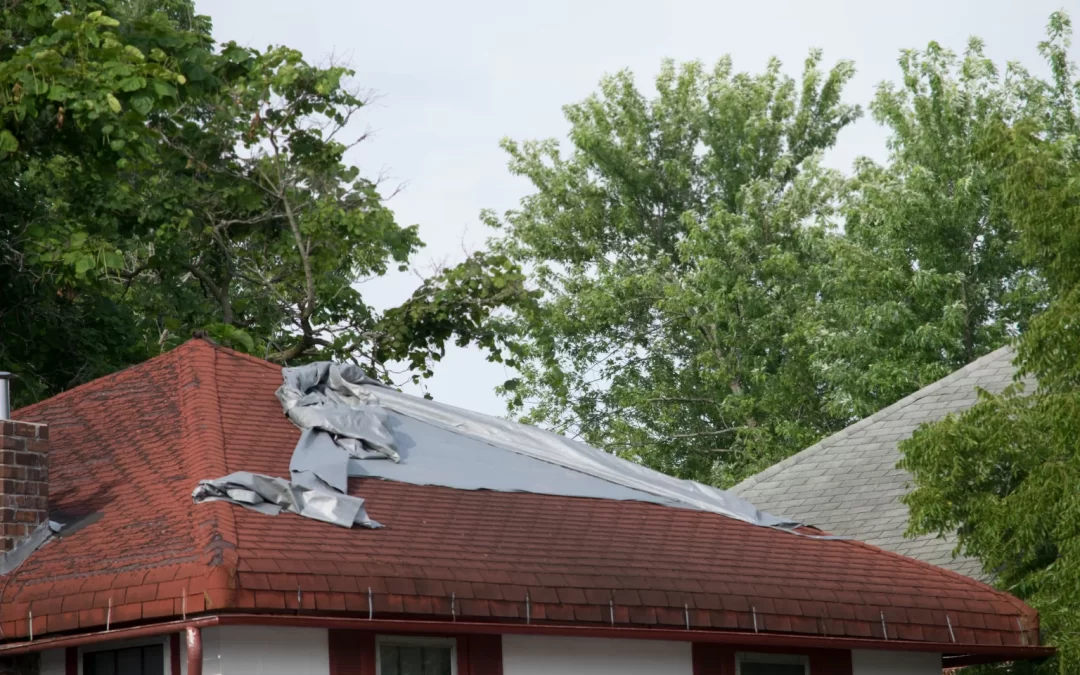
Emergency roof repair starts with safety, stopping active leaks, and preventing further damage until a professional can inspect the roof. Stay off the roof, move belongings out of harm’s way, place buckets or containers under leaks, and use plastic sheeting or tarps inside the home to control water. Most emergency roof repairs by a contractor can be scheduled within 24–72 hours, but major storms or widespread damage can cause delays. Costs and outcomes depend on the extent of the damage, your roof’s age, and whether insurance will help pay for repairs or replacement.
If you’ve just discovered roof damage or a sudden leak, you’re likely worried about water inside your home, repair costs, and how fast you need to act. This guide is for homeowners who need clear, calm steps to take right now—before the problem gets worse or turns into a much more expensive roof replacement. We’ll walk through what to do immediately, how to tell if it’s an emergency, when insurance may help, and how to decide between repair, replacement, and filing a claim.
Table of Contents
- What Counts as Emergency Roof Damage?
- Common Causes of Sudden Roof Damage
- What to Do Immediately After Roof Damage (Step-by-Step)
- Signs Your Roof Damage Is Serious or Unsafe
- Emergency Roof Repair and Insurance Claims
- Emergency Roof Repair Cost Expectations
- Emergency Repair vs Full Roof Replacement
- Timeline: How Fast You Need to Act
- Common Mistakes Homeowners Make After Roof Damage
- Decision Guide: Repair, Replace, Claim, or Contractor?
- Frequently Asked Questions
- Summary: What to Do Next
What Counts as Emergency Roof Damage?
Emergency roof damage is any problem that allows water to enter your home or creates a safety risk if it’s not addressed quickly. It usually involves sudden damage rather than slow wear and tear.
Situations that typically qualify as a roofing emergency include:
- Active leaks during or after a storm
- Large sections of missing shingles or roofing material
- A tree limb or debris puncturing the roof
- Visible sagging in the roof or ceiling
- Water pouring through light fixtures, vents, or ceiling seams
- Fire damage or structural damage after an impact
Not every roof issue is an emergency. A few missing shingles with no leak inside may be urgent but not “emergency” level. The key question: Is water getting in or is the structure at risk right now?
Common Causes of Sudden Roof Damage
Most emergency roof repairs are triggered by weather or impact, not just age alone.
Storm and Weather-Related Damage
- High winds: Can lift, crease, or tear off shingles, exposing the underlayment or wood deck.
- Hail: Can bruise or crack shingles, damage flashing, and cause hidden leaks that show up later.
- Heavy rain: Finds weak points around vents, chimneys, and valleys, turning small defects into active leaks.
- Snow and ice: Ice dams can force water under shingles and into the attic.
Impact Damage
- Fallen tree limbs or entire trees
- Wind-blown debris (branches, outdoor furniture, signs)
- Objects hitting the roof during storms or construction nearby
Age and Wear That Turns Into an Emergency
Even an older roof usually doesn’t fail all at once, but age-related issues can suddenly become urgent:
- Brittle, curling, or missing shingles that finally let water through
- Cracked flashing around chimneys, skylights, or vents
- Long-term small leaks that suddenly worsen and show up inside
In many cases, storms expose weaknesses that were already there. That matters for insurance and for deciding whether to repair or replace.
What to Do Immediately After Roof Damage (Step-by-Step)
Your first goal is to protect people and property, not to fix the roof yourself. Stay safe and focus on limiting damage until a professional can respond.
1. Stay Safe and Avoid the Roof
- Do not climb onto the roof, especially during or right after a storm.
- Watch for signs of structural danger: sagging ceilings, bulging drywall, or cracking sounds.
- If a ceiling looks like it may collapse, keep people and pets out of that room.
2. Protect the Inside of Your Home
- Move furniture, electronics, rugs, and valuables away from leaks.
- Place buckets, pans, or containers under active drips.
- Lay towels or plastic sheeting on the floor to catch splashes.
- If water is pooling in a ceiling bubble, you may carefully puncture a small hole in the lowest point with a container underneath to relieve pressure and reduce the risk of a sudden ceiling collapse. Only do this if the area is safe and you’re comfortable; otherwise, wait for a professional.
3. Do a Safe Visual Check from the Ground
Without climbing, look for obvious signs of damage:
- Missing or torn shingles
- Exposed wood or underlayment
- Tree limbs resting on or through the roof
- Damaged gutters, downspouts, or fascia
- Debris piles on the roof or in the yard
Inside, check:
- Attic (if safe) for wet insulation, dripping, or daylight shining through the roof
- Ceilings and walls for new stains, bubbling paint, or damp spots
4. Document the Damage
Photos and videos are important for both contractors and insurance.
- Take clear photos of:
- Interior damage (ceilings, walls, floors, belongings)
- Visible exterior damage from the ground
- Any fallen trees or debris around the home
- Note the date, time, and what happened (storm, wind, hail, tree fall, etc.).
5. Call a Local Roofing Contractor for Emergency Service
- Explain that you have active leaking or visible damage and need emergency roof repair or temporary protection.
- Ask if they provide emergency tarping or temporary dry-in services.
- Request an estimated arrival time and whether there will be a separate emergency fee.
Do not wait days to call. Even if the leak seems small, water can spread quickly through insulation, framing, and electrical areas.
6. Consider Whether to Contact Your Insurance Company
If the damage was caused by a sudden event (storm, wind, hail, tree impact), insurance may help cover emergency repairs and long-term fixes. In many cases, you can:
- Call your insurer’s claims line to report potential damage.
- Ask whether you should start an emergency roof repair claim.
- Confirm that taking reasonable steps to prevent further damage (like tarping) is required and covered.
For a deeper explanation of how emergency claims work, you can review what an emergency roof repair claim is and how it’s handled by insurers.
Signs Your Roof Damage Is Serious or Unsafe
Some roof problems can wait a few days; others need immediate attention. Watch for these red flags.
Structural or Safety Red Flags
- Ceiling sagging, bowing, or cracking
- Large, growing water bubbles in ceilings or walls
- Strong musty or electrical burning smells
- Water near electrical panels, outlets, or light fixtures
- A tree or large branch resting heavily on the roof structure
If you see any of these, keep people away from the area and call a professional right away. In extreme cases (major structural damage, fire, or electrical risk), you may need to leave the home until it’s inspected.
Leak and Water Damage Red Flags
- Water actively dripping or running down walls
- Multiple leaks in different rooms
- Rapidly spreading ceiling stains
- Water coming through vents, fans, or light fixtures
These signs mean water is moving through your home’s structure, not just one small spot. The longer it continues, the more likely you’ll face mold, rot, and higher repair costs.
When It’s Probably an Emergency
Consider your situation an emergency if:
- There is any active leak during rain or snow.
- You can see daylight through the roof in the attic.
- A tree or large debris has hit the roof.
- The roof or ceiling appears to be sagging.
Emergency Roof Repair and Insurance Claims
Homeowners insurance often helps with sudden, accidental roof damage—but not always. Understanding when coverage applies can save you from surprise costs or denied claims.
When Homeowners Insurance Usually Covers Roof Damage
Policies typically cover roof damage caused by:
- Windstorms and wind-driven rain
- Hailstorms
- Fallen trees or debris from a covered peril
- Fire or lightning
Insurance generally helps pay for both emergency temporary repairs (like tarping) and permanent repairs or replacement, minus your deductible, if the damage is from a covered event.
When Insurance May Not Cover Roof Damage
Coverage is less likely if:
- The roof is very old and clearly worn out.
- Damage is due to long-term neglect, poor maintenance, or pre-existing leaks.
- The problem is gradual, like slow rot or long-term deterioration.
For example, if your roof has been leaking for months and you never addressed it, your insurer may argue that the damage is due to lack of maintenance. You can learn more about these situations in resources like what happens if you don’t replace a failing roof and how that affects insurance claims.
How to Start an Emergency Roof Repair Claim
- Contact your insurer as soon as possible after the event.
- Provide the date, time, and cause (storm, wind, hail, tree fall, etc.).
- Share photos and videos of the damage and any temporary measures you’ve taken.
- Ask whether you should get contractor estimates before or after the adjuster visit.
Most policies require you to prevent further damage. That means you’re expected to arrange temporary protection (like tarping) even before the claim is fully processed.
Common Insurance Claim Mistakes
- Waiting too long to report the damage
- Throwing away damaged materials or belongings before documenting them
- Letting a contractor speak to the insurer on your behalf without understanding what they’re saying or agreeing to
- Accepting a low estimate without comparing it to detailed contractor quotes
If your claim is denied or underpaid, you may still have options. Guides on how to appeal a denied roof claim can help you understand next steps.
Emergency Roof Repair Cost Expectations
Emergency roof repair costs vary widely based on the damage, roof type, and how quickly you need service. Here are realistic ranges to help you plan.
Typical Cost Ranges
- Minor roof repair: $150–$1,000
- Small patch, a few shingles replaced, minor flashing repair, or sealing a small leak.
- Moderate repair: $1,000–$3,000
- Larger areas of missing shingles, multiple leak points, or some damaged decking.
- Major repair: $3,000–$7,000+
- Significant sections of roof damaged, structural repairs, or extensive water intrusion.
- Full roof replacement: $5,000–$15,000+ (or more for large or high-end roofs)
- Complete tear-off and replacement of shingles, underlayment, and often some decking.
What Affects Emergency Roof Repair Costs
- Roof size and pitch: Larger or steeper roofs cost more to repair or tarp.
- Roofing material: Asphalt shingles are usually cheaper to repair than metal, tile, or slate.
- Extent of damage: One small leak vs. multiple damaged areas or structural issues.
- Labor and location: Prices vary by region and by how busy contractors are (after major storms, costs can rise).
- Emergency fees: After-hours, weekend, or same-day emergency calls may have higher service charges.
When Repair Costs Start to Approach Replacement
It may not make sense to keep repairing an older roof if:
- Repairs are estimated at several thousand dollars and your roof is near the end of its life (15–25+ years for many shingle roofs).
- You’ve had repeated leaks or repairs in different areas.
- The underlying wood deck or structure is significantly damaged.
In those cases, a full roof replacement may be more cost-effective and may also be what your insurance company recommends if the damage is from a covered event.
Emergency Repair vs Full Roof Replacement
After an emergency, you’ll usually face two decisions: a temporary fix vs. permanent repair, and repair vs. full replacement.
Temporary vs Permanent Repairs
- Temporary measures: Tarping, sealing, or patching to stop active leaks and protect the home.
- Permanent repairs: Replacing damaged shingles, flashing, underlayment, and any rotten wood.
Most contractors will first secure the roof (temporary) and then schedule permanent repairs once weather and materials allow, or after insurance approval.
When a Repair Makes Sense
Repair is often the better choice when:
- The roof is relatively new or mid-life and in generally good condition.
- Damage is limited to a small, defined area.
- The cost of repair is clearly lower than a significant portion of replacement cost.
When Replacement Is the Better Long-Term Choice
Full roof replacement may be the smarter option if:
- Your roof is near or past its expected lifespan.
- There are widespread issues (granule loss, curling shingles, multiple leaks).
- Storm damage affects large sections of the roof.
- Repairs would cost a large percentage of a full replacement anyway.
Insurance may also lean toward replacement if a covered event has damaged a large portion of the roof. For a broader look at how insurance handles full replacements, see resources on insurance roof replacement, coverage, and costs.
Timeline: How Fast You Need to Act
Roof damage doesn’t get better on its own. The timeline below can help you understand what needs to happen and when.
First 24 Hours
- Protect people and belongings.
- Control interior water with buckets and plastic sheeting.
- Document damage with photos and notes.
- Call a roofing contractor for emergency service.
- Contact your insurance company if the damage is from a storm or sudden event.
Next 2–7 Days
- Have the roof temporarily secured (tarping or dry-in) if needed.
- Get a professional inspection and written estimate.
- Meet with the insurance adjuster, if you filed a claim.
- Decide on repair vs. replacement based on age, damage, and cost.
Next 1–4 Weeks
- Schedule permanent repairs or replacement.
- Monitor for any new leaks or interior damage.
- Address any mold or moisture issues inside the home.
After major regional storms, timelines can stretch because contractors and adjusters are overwhelmed. Acting quickly to get on a contractor’s schedule is important.
Common Mistakes Homeowners Make After Roof Damage
A few missteps can turn a manageable emergency into a much bigger problem.
- Climbing on the roof: This is dangerous and can cause more damage or void warranties.
- Waiting to call a contractor: Small leaks can spread quickly, leading to mold and structural damage.
- Ignoring “minor” ceiling stains: A small stain often means a larger hidden problem in the attic.
- Not documenting damage: Lack of photos and notes can hurt your insurance claim.
- Accepting the first quote without comparison: You may overpay or get incomplete repairs.
- Hiring unlicensed or storm-chasing contractors: This can lead to poor workmanship and warranty issues.
Decision Guide: Repair, Replace, File a Claim, or Call a Contractor?
Use this practical framework to decide your next steps.
1. Do You Need a Contractor Right Now?
Yes, call a roofing contractor immediately if:
- There is any active leak or visible interior water damage.
- A tree or large debris has hit the roof.
- You see sagging ceilings or structural concerns.
If there’s no leak and damage looks minor from the ground, you should still schedule an inspection soon, but it may not require emergency service.
2. Should You File an Insurance Claim?
Consider filing a claim if:
- Damage was caused by a sudden event (storm, wind, hail, tree impact).
- Estimated repairs are likely to exceed your deductible.
- There is visible interior damage to ceilings, walls, or belongings.
If the damage is minor and repair costs are close to or below your deductible, it may not be worth filing a claim. A contractor’s estimate can help you decide.
3. Repair or Replace?
Lean toward repair if:
- The roof is relatively young and in otherwise good condition.
- Damage is limited to a small area.
- Repair costs are clearly lower than a significant portion of replacement.
Lean toward replacement if:
- The roof is near the end of its life or has multiple existing issues.
- Storm damage is widespread across the roof.
- Repairs would be extensive and expensive, or you’ve had repeated leaks.
4. Get Multiple Quotes vs. Act Immediately
- Immediate action: For emergency tarping or stopping active leaks, call the first reputable local contractor who can respond quickly.
- Multiple quotes: For permanent repairs or replacement, get at least 2–3 detailed estimates to compare scope, materials, warranties, and price.
Understanding what a thorough roof repair estimate should include can help you avoid overpaying or missing important work; resources like what a roofing quote should include and how to avoid overpaying are useful here.
Frequently Asked Questions
How do I know if my roof leak is an emergency?
If water is actively dripping, spreading across ceilings, or near electrical fixtures, treat it as an emergency. Any sign of sagging ceilings or structural stress also means you should call a roofing contractor immediately and keep people away from the area.
Can I wait until the storm is over to call a roofer?
You should wait until conditions are safe for anyone to be outside or on ladders, but you don’t need to wait to make the call. Contact a roofer as soon as you notice damage or leaks so you can get on their schedule for emergency service as quickly as possible.
Will homeowners insurance pay for emergency tarping?
In many cases, yes—if the damage is from a covered event, insurers often reimburse reasonable costs for emergency tarping or temporary repairs. Keep all receipts and photos, and confirm coverage details with your insurance company when you report the damage.
How much does emergency roof repair usually cost?
Minor emergency repairs can start around $150–$1,000, while more involved work ranges from $1,000–$3,000 or more. Major damage, especially after a storm or impact, can cost $3,000–$7,000+ or lead to a full roof replacement in the $5,000–$15,000+ range depending on your roof.
Is it safe to put a tarp on the roof myself?
Climbing on a damaged or wet roof is risky and not recommended for most homeowners. It’s safer to have a professional roofer handle tarping and temporary protection, especially during or after storms when surfaces are slippery and unstable.
What if my roof is old and the insurance company says it’s wear and tear?
If your insurer claims the damage is due to age or lack of maintenance, they may deny coverage for repairs or replacement. You can ask for a detailed explanation, get a contractor’s opinion, and, if needed, explore the process for appealing a denied roof claim.
Summary: What to Do Next
After emergency roof damage, your priorities are safety, stopping active leaks, and preventing further damage until a professional can inspect the roof. Most emergencies are caused by storms, wind, hail, or impact, but age and wear can make the damage worse and influence whether you repair or replace.
Document everything, contact a reputable roofing contractor quickly, and consider an insurance claim if the damage is from a sudden event and likely exceeds your deductible. From there, compare repair vs. replacement options based on your roof’s age, the extent of damage, and long-term costs.
To protect your home and your budget, schedule a professional roof inspection as soon as possible after any leak or visible damage. Comparing quotes from qualified roofing contractors will help you understand your options, avoid overpaying, and choose the right balance between emergency repair and long-term roof replacement. Acting quickly now can prevent a small emergency from turning into a major, expensive problem later.