
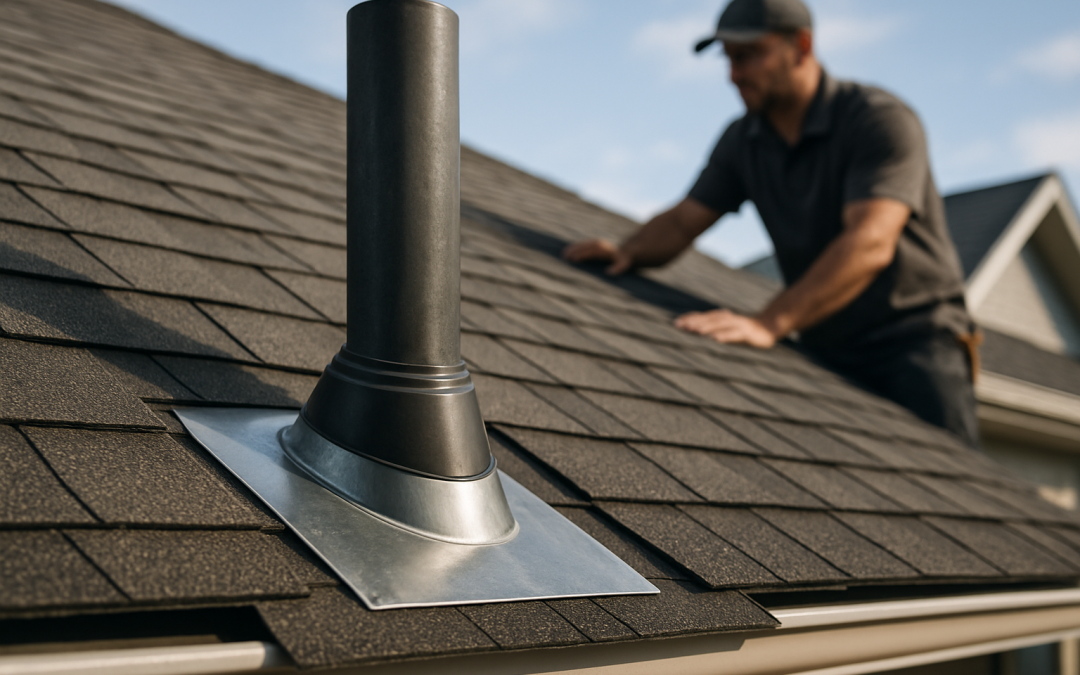
What Is a Roof Jack? Types, Uses, Installation Basics, and Common Roofing Applications
A roof jack is a small but important roofing component that seals around pipes, vents, and other penetrations that pass through your roof, helping keep water from leaking into your home. Roof jacks are usually made of metal, rubber, or a combination of both, and they sit under or over shingles to direct water away. Replacing a damaged roof jack typically costs far less than a major roof repair, but ignoring a cracked or loose jack can lead to leaks, mold, and expensive interior damage. Because roof jacks must be properly flashed and sealed, it’s usually best to have a qualified roofing contractor handle inspection and replacement.
If you’ve noticed a leak around a bathroom, kitchen, or furnace vent, or you see a rubber boot on your roof that’s cracked or pulled away, the roof jack may be the problem. This guide explains what roof jacks are, the main types, how they’re used, basic installation concepts (without unsafe DIY steps), and when you should repair, replace, or call a professional. The goal is to help you protect your home, avoid unnecessary costs, and make a clear decision about your next step.
Table of Contents
- What Is a Roof Jack on a House Roof?
- Common Types of Roof Jacks and Where They’re Used
- What Causes Roof Jack Problems?
- How to Safely Check for Roof Jack Issues (From the Ground and Indoors)
- Signs Roof Jack Problems Are Serious
- Roof Jacks, Leaks, and Homeowners Insurance
- Roof Jack Repair and Replacement Costs
- Roof Jack Repair vs Roof Replacement: How to Decide
- Timeline: How Quickly You Need to Act
- Common Mistakes Homeowners Make With Roof Jacks
- Frequently Asked Questions
- Summary: What to Do Next
What Is a Roof Jack on a House Roof?
A roof jack (often called a “pipe boot” or “vent boot”) is a pre-formed piece that seals around anything that sticks up through your roof, such as:
- Plumbing vent pipes (often PVC or cast iron)
- Exhaust vents for bathrooms, kitchens, or dryers
- Furnace or water heater flues (with special high-heat jacks)
- Electrical masts or small mechanical penetrations
The roof jack’s job is to:
- Keep water from running down around the pipe or vent
- Direct water onto the shingles so it can drain off the roof
- Allow the pipe or vent to move slightly with temperature changes without breaking the seal
On most homes, roof jacks are installed when the roof is built or replaced, and they’re integrated with the shingles and underlayment. Over time, the rubber or metal can crack, rust, or pull away, turning a small part into a big leak risk.
Common Types of Roof Jacks and Where They’re Used
1. Plumbing Vent Pipe Roof Jacks
These are the most common roof jacks you’ll see on a typical home. They usually have:
- A flat metal base that tucks under shingles
- A raised collar or “boot” made of rubber or flexible material that fits snugly around the pipe
They’re used for:
- Bathroom and kitchen plumbing vents
- Soil stacks from toilets
2. Rubber Boot Roof Jacks
Rubber boot jacks are designed to create a tight seal around round pipes. They are common on asphalt shingle roofs and can be adjusted to different pipe diameters.
Pros:
- Flexible and easy for roofers to install
- Good seal when new
Cons:
- Rubber can crack or dry out from sun exposure in 8–15 years
- More vulnerable in very hot or very cold climates
3. All-Metal Roof Jacks
All-metal jacks are made from galvanized steel, aluminum, or sometimes copper. They are often used where higher heat or longer life is needed.
Common uses:
- Furnace or water heater flues (with proper clearances)
- Steeper roofs where durability is critical
They last longer than rubber boots but can still rust, separate at seams, or pull loose in high winds.
4. High-Heat and Specialty Roof Jacks
Some vents, like gas appliances or wood stoves, need high-heat roof jacks designed to handle hot exhaust.
- These often include double-wall pipe systems and special flashings.
- Improper or makeshift jacks in these areas can be a fire and carbon monoxide risk.
5. Adjustable and Retrofit Roof Jacks
Retrofit jacks are designed to be installed around an existing pipe without removing the entire old jack or disturbing too many shingles.
They’re sometimes used for:
- Temporary fixes when a full re-roof isn’t in the budget
- Older roofs where disturbing shingles could cause more damage
A professional should decide whether a retrofit jack is appropriate or if a full replacement is safer.
What Causes Roof Jack Problems?
Roof jacks fail for a few main reasons, most of which are related to age, weather, or installation quality.
Age and Sun Exposure
- Rubber boots dry out, crack, and split after years of UV exposure.
- Metal jacks can rust, especially where water sits or paint has worn off.
- Sealants used around jacks can dry, shrink, and lose adhesion.
Storm and Wind Damage
- High winds can lift shingles and loosen the flashing around a roof jack.
- Hail can dent or puncture metal jacks and crack plastic or rubber components.
- Flying debris can physically bend or break the jack or the pipe it surrounds.
Poor Installation
- Jacks not properly woven into the shingle layers can let water run underneath.
- Using the wrong size jack for the pipe can leave gaps.
- Relying on caulk alone instead of correct flashing techniques leads to early failure.
Roof Movement and Settling
- As your roof structure expands and contracts, rigid components can separate.
- Pipes that aren’t properly supported can shift and pull against the jack.
Animal and Pest Damage
- Squirrels and birds sometimes chew or peck at rubber boots.
- Nests built near vents can trap moisture and accelerate deterioration.
How to Safely Check for Roof Jack Issues (From the Ground and Indoors)
Do not walk on your roof or climb steep or high roofs. Most homeowners can spot warning signs from the ground and inside the home.
Indoor Checks
Look in the rooms below where you see pipes or vents on the roof (bathrooms, kitchens, utility rooms):
- Brown or yellow ceiling stains, especially near light fixtures or fans
- Peeling paint or bubbling drywall on ceilings or upper walls
- Musty smells or visible mold in upper corners or around vent fans
If you can safely access your attic (with proper flooring and lighting), you may look from a stable platform only:
- Check around vertical pipes for damp wood, dark stains, or active drips after rain.
- Look for daylight showing around pipes (a sign of gaps).
If you’re unsure or the attic is unsafe, skip this step and call a professional.
Outdoor / Ground-Level Checks
From the ground or a safe distance (using binoculars if possible), look at the roof jacks:
- Cracked, split, or curled rubber boots around pipes
- Rust, holes, or bent metal on the jack base or collar
- Shingles that are lifted, missing, or not lying flat around the jack
- Sealant that is missing, heavily cracked, or obviously smeared as a patch
If you see any of these, a roofing contractor should inspect the area more closely.
Signs Roof Jack Problems Are Serious
Some roof jack issues can be monitored briefly, but others need fast attention to avoid major damage.
Urgent Warning Signs
- Active dripping during or right after rain
- Ceiling sagging or soft spots near vent locations
- Large or growing water stains on ceilings or walls
- Mold growth around vents, fans, or in the attic near pipes
- Water running down inside walls or around light fixtures
These usually mean water has been getting in for some time and can quickly lead to rot, mold, and electrical hazards. Call a roofing contractor immediately.
Moderate but Concerning Signs
- Small, stable stains that appeared after a major storm
- Visible cracks in the rubber boot but no obvious indoor damage yet
- Minor rust on metal jacks without leaks (yet)
These situations still warrant a professional inspection soon, but you may have a bit more time to compare quotes and plan repairs.
When It Might Be Less Urgent
- Cosmetic discoloration on metal with no rust-through
- Older but intact jacks on a roof that’s otherwise in good condition
Even then, it’s smart to have them checked during your next routine roof inspection, especially if your roof is approaching the end of its typical lifespan.
Roof Jacks, Leaks, and Homeowners Insurance
Whether insurance will help with a roof jack issue depends on what caused the damage and how long it has been going on.
When Insurance May Cover Roof Jack Damage
- Storm damage: Wind, hail, or falling debris that physically damages the jack or surrounding shingles.
- Sudden accidental events: A tree limb hitting the roof near a vent, for example.
If a covered event causes a leak at a roof jack, your policy may help pay for both roof repairs and interior damage (minus your deductible).
When Insurance Usually Does Not Cover It
- Normal wear and tear, aging, or lack of maintenance
- Long-term leaks that were not addressed promptly
- Improper installation or unpermitted DIY work
If the rubber boot simply aged and cracked, most insurers consider that a maintenance issue, not a covered loss.
How to Approach a Possible Claim
- Document what you see: photos of stains, the roof jack, and any storm damage.
- Call a reputable roofing contractor for an inspection and written report.
- Ask the roofer if the damage appears storm-related or age-related.
- Contact your insurance company if there is clear evidence of a sudden event.
Be cautious of anyone who promises that “insurance will definitely pay for everything” without seeing your roof. For guidance on spotting dishonest contractors, see the advice in how to tell if a roofer is lying.
Roof Jack Repair and Replacement Costs
Costs vary based on how many roof jacks are involved, roof height and pitch, and whether there is existing water damage.
Typical Roof Jack-Related Costs
- Minor roof repair (often 1–2 jacks, no major interior damage): $150–$1,000
- Moderate repair (multiple jacks, some sheathing or interior repair): $1,000–$3,000
- Major repair (widespread rot, mold remediation, structural work): $3,000–$7,000+
- Full roof replacement (if the roof is old or heavily damaged): $5,000–$15,000+ depending on size, pitch, and materials
What Affects the Cost
- Roof height and steepness: Steeper, higher roofs cost more to work on safely.
- Number and type of roof jacks: High-heat or specialty jacks cost more than basic plumbing boots.
- Extent of water damage: Rot in decking, framing, or insulation increases labor and materials.
- Local labor rates and material prices: Costs vary by region and market conditions.
When Costs Jump Significantly
- When a “simple leak” has been ignored long enough to damage framing or cause mold.
- When the roof is near the end of its life and patching no longer makes sense.
- When multiple roof penetrations and large roof areas are affected by the same issue.
If your roof is already aging, it may be more cost-effective to replace the roof and all roof jacks at once. For a deeper look at overall roof replacement pricing, see how much a roof replacement may cost in 2026.
Roof Jack Repair vs Roof Replacement: How to Decide
When a Simple Roof Jack Repair Is Usually Enough
- Your roof is relatively young and in good overall condition.
- Only one or two jacks are cracked or leaking.
- There is little or no structural damage in the attic.
- The leak was caught early and interior damage is minor.
In these cases, replacing the affected jacks and repairing any small areas of decking or drywall is usually the most sensible and affordable option.
When You Should Consider a Larger Roof Repair
- Multiple roof jacks are failing at the same time.
- There is noticeable rot or mold around several penetrations.
- Shingles around the jacks are brittle, curling, or missing.
A larger repair might include replacing several jacks, reworking flashing, and replacing damaged shingles or decking in a wider area.
When a Full Roof Replacement May Be Smarter
- Your roof is near or past its expected lifespan.
- Leaks are showing up in multiple places, not just at one jack.
- The cost of repeated repairs is approaching a significant portion of a new roof.
At that point, putting money into patching may not be worth it. You can review overall roof lifespan expectations in this guide on how long a roof lasts and warning signs, and compare that with your roof’s age and condition.
Decision Checklist for Homeowners
Ask yourself:
- How old is my roof, realistically?
- Is this the first leak, or one of many?
- Is the damage limited to one area, or spread out?
- What are the repair quotes compared to a replacement quote?
If your roof is relatively young and the problem is clearly at one jack, repair is usually the right call. If your roof is old and multiple areas are failing, it’s time to seriously consider replacement.
Timeline: How Quickly You Need to Act
Immediate Action (Within 24–72 Hours)
- Active leaks during rain or after snow melt
- Ceiling sagging, soft spots, or electrical issues near leaks
- Visible mold or strong musty odors near vent locations
Contact a roofing contractor right away. You may need temporary tarping or emergency repairs to prevent further damage.
Soon (Within 1–2 Weeks)
- Small but new water stains that appeared after a recent storm
- Cracked or deteriorated boots visible from the ground, even without leaks yet
Schedule an inspection and get at least one or two quotes. Acting within weeks can prevent a minor issue from turning into a major repair.
Monitor and Plan (Next Routine Inspection)
- Older but intact jacks on a roof that’s otherwise healthy
- Cosmetic wear without signs of water intrusion
Ask your roofer to check all roof jacks during your next maintenance visit, especially if your roof is more than 10–15 years old.
Common Mistakes Homeowners Make With Roof Jacks
1. Ignoring Small Ceiling Stains
Many homeowners assume a small stain is “no big deal” and paint over it. Often, that stain is the first sign of a roof jack leak that can worsen quickly.
2. Trying DIY Fixes With Caulk Only
Smearing caulk or roof cement around a failing jack rarely solves the underlying problem and can trap water. Proper repair usually involves replacing the jack and reworking shingles and flashing.
3. Walking on the Roof Without Experience
Climbing on the roof is dangerous and can damage shingles, especially in hot or cold weather. It’s safer and often cheaper in the long run to let a professional handle inspection and repair.
4. Replacing Only the Boot on an Old Roof
Swapping out a single boot on a roof that’s already at the end of its life can be a temporary bandage. If the rest of the roof is failing, you may end up paying for multiple repairs instead of one well-planned replacement.
5. Hiring the Cheapest Contractor Without Checking Credentials
Low bids can sometimes mean shortcuts, poor flashing work, or unlicensed labor. Verify insurance, references, and reviews, and be wary of high-pressure sales tactics. For more guidance, review the warning signs that a roofer may be lying.
Frequently Asked Questions
Do I really need roof jacks, or can I just seal around the pipes?
Yes, you need proper roof jacks or flashing around pipes and vents. Simply sealing around a pipe with caulk or foam is not enough to handle water flow, roof movement, and long-term weather exposure, and it will almost always fail prematurely.
How long do roof jacks usually last?
Rubber boot roof jacks often last around 8–15 years, depending on climate and sun exposure. Metal jacks can last longer, but sealants and surrounding shingles may still need attention during the life of the roof.
Can I replace a roof jack myself?
Technically, some experienced DIYers replace roof jacks, but it involves working at height, removing and reinstalling shingles, and correctly flashing the area. For safety and to avoid leaks, most homeowners are better off hiring a qualified roofing contractor.
Is a roof jack leak covered by my homeowners insurance?
If the leak is caused by a sudden event like a windstorm, hail, or falling debris, it may be covered, depending on your policy and deductible. If the jack failed due to age, wear, or poor maintenance, it is usually not covered and is considered a homeowner responsibility.
How can I tell if the leak is from a roof jack or something else?
Leaks from roof jacks often show up near bathrooms, kitchens, or utility rooms where vent pipes run through the roof. A professional roofer can trace the leak path in the attic and inspect the roof surface to confirm whether the jack, shingles, or another component is the source.
Should I replace all roof jacks when I get a new roof?
Yes, in most cases roofers replace all roof jacks during a full roof replacement. This ensures all penetrations are properly sealed and matched to the new roofing system, reducing the risk of leaks later.
Summary: What to Do Next
A roof jack is a small component with a big job: keeping water from leaking in around pipes and vents that penetrate your roof. Cracked boots, rusted metal, or loose flashing can quickly turn into ceiling stains, rot, and mold if they’re not addressed.
If you see stains near bathrooms or utility rooms, notice damaged jacks from the ground, or suspect your roof is aging, schedule a professional inspection as soon as possible. A trusted roofing contractor can tell you whether a simple jack replacement, a larger repair, or a full roof replacement is the most cost-effective and long-term solution for your home.
Get at least two or three quotes, ask detailed questions about the scope of work, and compare repair costs to the age and condition of your existing roof. Acting early on roof jack issues can save you thousands in structural and interior repairs and help extend the life of your roof.