
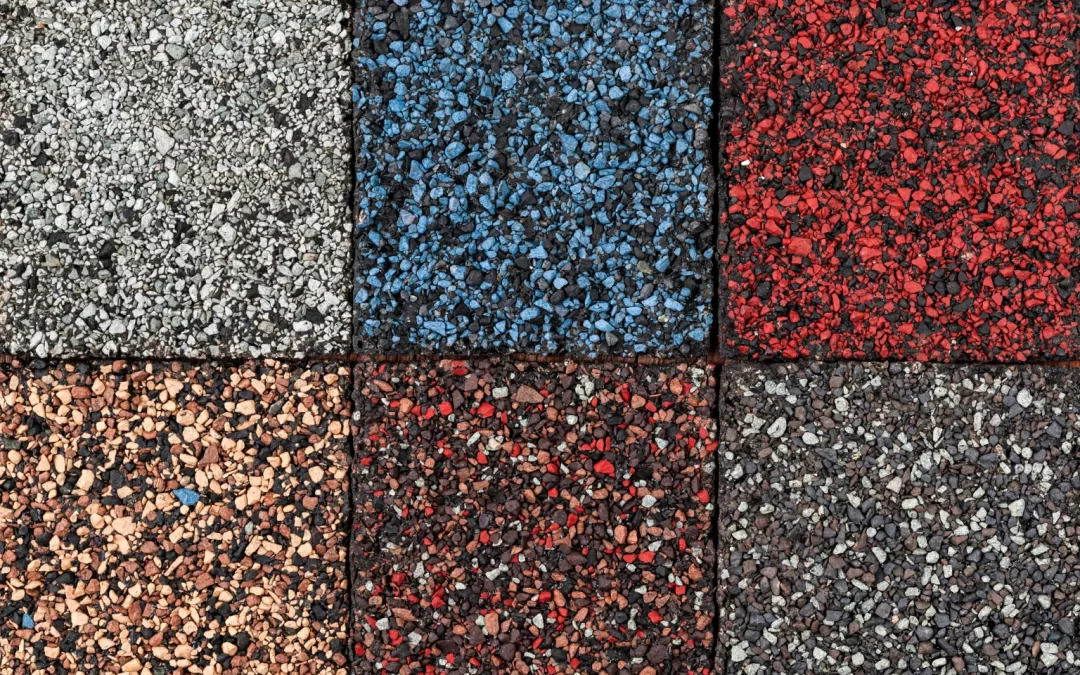
Roof Shingles Colors Guide: How to Choose the Best Color for Your Home, Style, and Climate
Roof shingle color is one of the highest-impact exterior design decisions in a home, influencing curb appeal, perceived size, and long-term resale appeal. While often treated as purely aesthetic, color also interacts with heat absorption and material performance at a secondary level.
Roof shingle color selection is the process of choosing roofing tones that balance architectural compatibility, environmental conditions, and long-term visual durability.
Table of Contents
- What Roof Shingle Color Actually Affects
- Curb Appeal and Visual Perception
- Climate and Heat Performance
- Common Roof Shingle Colors
- How to Choose the Right Color
- Texture and Material Influence
- Resale Value Impact
- Common Selection Mistakes
- FAQ
- Key Takeaways
What Roof Shingle Color Actually Affects
Roof color impacts three core areas: visual identity, environmental interaction, and perceived home quality. It is one of the largest uninterrupted surfaces on a house, meaning even subtle color differences change overall appearance significantly.
Core principle: roof color functions as a visual anchor for the entire exterior composition.
Curb Appeal and Visual Perception
Shingle color directly influences how a home is perceived from the street, including scale, contrast, and architectural clarity.
Key effects include:
- Darker tones create stronger contrast and a more grounded appearance
- Lighter tones increase brightness and perceived size
- Neutral blends reduce visual harshness and improve adaptability
Key insight: roof color determines first visual impression more than most exterior materials combined.
Climate and Heat Performance
Shingle color has a secondary effect on heat absorption, though it is often overstated compared to insulation and ventilation systems.
General behavior:
- Darker shingles absorb more heat energy
- Lighter shingles reflect more sunlight
- Blended tones moderate temperature effects
Important correction: roofing system efficiency is driven more by attic ventilation and insulation than shingle color alone.
Common Roof Shingle Colors
Most residential roofing systems use a limited range of versatile, widely accepted colors designed for long-term aesthetic stability.
- Charcoal / black: high contrast, modern appearance
- Weathered wood: natural blended brown-gray tone
- Slate gray: neutral, highly adaptable option
- Brown tones: traditional warmth and earth-based styling
- Multi-tone blends: dimensional look with aging resistance
Key insight: blended shingles often maintain visual consistency longer than single-tone options.
How to Choose the Right Color
The most effective roof color choices are made by evaluating the entire exterior system, not shingles in isolation.
Selection rules:
- Match roof tone to siding temperature (warm vs cool tones)
- Use contrast to define architectural shape
- Prioritize long-term neutrality over short-term trends
- Consider surrounding neighborhood color balance
Core rule: roof color should unify the exterior, not dominate it.
Texture and Material Influence
Shingle appearance is influenced not only by color but also by surface texture and granule composition.
Key factors:
- Granule blending creates depth and shading variation
- Dimensional shingles enhance shadow contrast
- Surface texture affects perceived color under sunlight
Key insight: texture can change perceived color more than actual pigment selection.
Resale Value Impact
Roof color indirectly influences resale value through buyer perception and curb appeal consistency.
Value drivers:
- Neutral colors increase buyer compatibility
- Highly unique colors may reduce market flexibility
- Well-integrated exterior palettes improve perceived maintenance quality
Core principle: resale value is driven by visual cohesion, not color uniqueness.
Common Selection Mistakes
Most roof color errors occur when decisions are made without full exterior context or real lighting conditions.
Common mistakes include:
- Choosing colors based on indoor samples only
- Ignoring sunlight variation across seasons
- Over-prioritizing trends over long-term compatibility
- Failing to evaluate full exterior palette together
Key warning: roof color must always be evaluated in outdoor natural light.
FAQ
What is the most popular roof shingle color?
Neutral tones like gray, charcoal, and weathered wood are the most widely used due to versatility.
Does roof color affect temperature?
Yes, but only moderately. Insulation and ventilation have a greater impact on overall energy efficiency.
What roof color is best for resale?
Neutral and widely accepted tones generally perform best in resale scenarios.
Should roof and siding match?
No. They should complement each other through contrast or tonal balance, not direct matching.
Do darker roofs last longer?
No. Lifespan is determined by material quality and installation, not color.
How should I choose a roof color?
Evaluate siding, architectural style, climate, and long-term resale appeal together.
Key Takeaways
Roof shingle color is a structural visual decision that affects curb appeal, architectural clarity, and secondary thermal behavior. The strongest choices prioritize cohesion across the full exterior system rather than isolated color preference.
Final principle: the best roof color is the one that creates long-term visual stability across changing light, seasons, and market perception.