
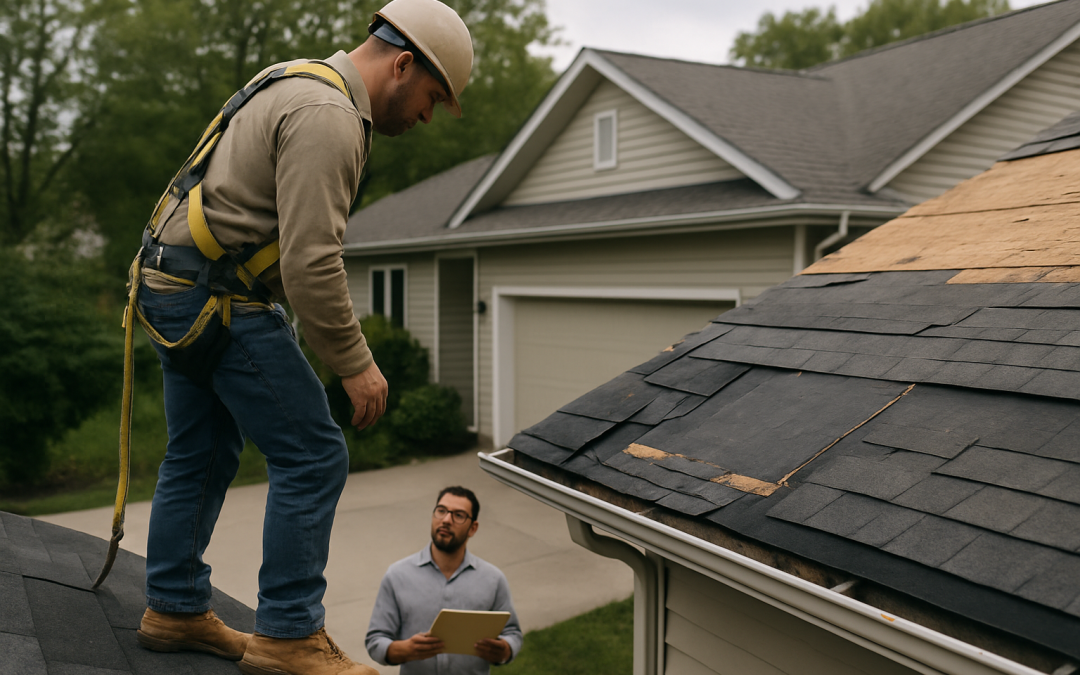
How to Choose a Roofing Replacement Contractor (Costs, Red Flags, and Process)
Choosing a roofing replacement contractor is a high-impact decision because it directly determines roof lifespan, weather resistance, and long-term repair costs. The quality of installation matters as much as the materials themselves—often more.
Core definition: a roofing replacement contractor is a licensed professional responsible for removing an existing roof and installing a new roofing system that meets structural, waterproofing, and building code standards.
Table of Contents
- What a Roofing Replacement Contractor Does
- Core Selection Principle
- Roof Replacement Process
- Cost Factors Explained
- How to Choose the Right Contractor
- Critical Red Flags
- Materials and System Differences
- Timeline Expectations
- Warranties and Accountability
- FAQ
- Key Takeaways
What a Roofing Replacement Contractor Does
A roofing replacement contractor manages the full system replacement of a roof, including tear-off, inspection, structural evaluation, installation, and final waterproofing verification.
Key reality: roofing is a system installation, not a surface replacement. Failures usually occur in installation layers, not the visible shingles.
The contractor’s responsibility is to ensure all layers—from decking to final covering—function as a single weather-resistant system.
Core Selection Principle
The most important decision factor is not price or material—it is installation quality consistency.
Compression rule: roof performance is determined more by contractor execution than by roofing material grade.
This is why two identical materials can produce completely different lifespans depending on installer quality.
Roof Replacement Process
A proper roof replacement follows a structured system rather than a single installation step.
- Inspection and structural assessment
- Written scope and material specification
- Full tear-off of existing roofing layers
- Decking inspection and repair if needed
- Underlayment and moisture barrier installation
- Primary roofing system installation
- Final sealing, cleanup, and inspection
Key insight: a complete roof replacement is a layered system rebuild, not a surface overlay.
Cost Factors Explained
Roof replacement cost is driven by system complexity more than material alone.
Main cost drivers include:
- Roof size and slope complexity
- Material type and system design
- Labor intensity and tear-off difficulty
- Structural repairs beneath existing roof
- Local labor market conditions
Core principle: complexity and labor conditions typically outweigh material cost in final pricing.
How to Choose the Right Contractor
Choosing the right contractor requires verifying both technical legitimacy and execution transparency.
Key requirements include:
- Valid licensing and full insurance coverage
- Written, itemized scope of work
- Verified local project history
- Clear material specifications (not vague categories)
- Manufacturer-certified installation when available
Selection rule: credible contractors can clearly explain what will be installed, how it will be installed, and what is included before work begins.
Critical Red Flags
Most roofing failures originate from early contractor selection mistakes rather than material defects.
High-risk warning signs include:
- Pressure-based pricing or “today only” offers
- No written contract or incomplete scope description
- Large upfront cash demands before work starts
- No proof of insurance or licensing verification
- Inability to provide local references or past work
Critical rule: lack of documentation is the strongest predictor of future project risk.
Materials and System Differences
Roofing materials determine durability range, but system installation determines real-world performance.
- Asphalt shingles: cost-effective, widely used residential standard
- Metal roofing: high durability, higher upfront cost
- Tile systems: long lifespan, structural load considerations
- Flat roofing systems: specialized membranes for low-slope roofs
Key distinction: material defines potential lifespan, but installation determines whether that lifespan is achieved.
Timeline Expectations
Roof replacement timelines depend on weather, roof size, and structural condition, but most residential projects follow a predictable pattern.
- Inspection and estimate: 1–3 days
- Material ordering: variable based on availability
- Installation: typically 1–3 days
- Final inspection and cleanup: same-day completion
Key insight: delays are most often caused by hidden structural repairs, not surface installation work.
Warranties and Accountability
Roofing protection depends on both manufacturer materials and contractor workmanship coverage.
Warranty types include:
- Material warranties from manufacturers
- Workmanship warranties from contractors
- Extended system warranties through certified installers
Core principle: true protection requires coverage of both materials and installation labor.
FAQ
What is the most important factor when choosing a roofing contractor?
Installation quality and documented experience matter more than price or material alone.
Why do roofing estimates vary so much?
Differences usually come from labor quality, scope accuracy, and material specification—not just pricing strategy.
Is roof replacement always better than repair?
Not always. Full replacement is typically better when damage is widespread or the roof is near end-of-life.
How can I avoid bad roofing contractors?
Focus on documentation, licensing, insurance verification, and detailed written scope before signing.
Do expensive roofs last longer?
Only if installed correctly. Installation quality determines whether material potential is achieved.
What should be included in a roofing estimate?
A proper estimate includes materials, labor scope, tear-off, disposal, timeline, and warranty terms.
Key Takeaways
Roof replacement quality is determined less by material selection and more by contractor execution, documentation, and system installation accuracy.
Final compression principle: a roof is not installed—it is engineered as a layered system, and the contractor determines whether that system performs as designed.