
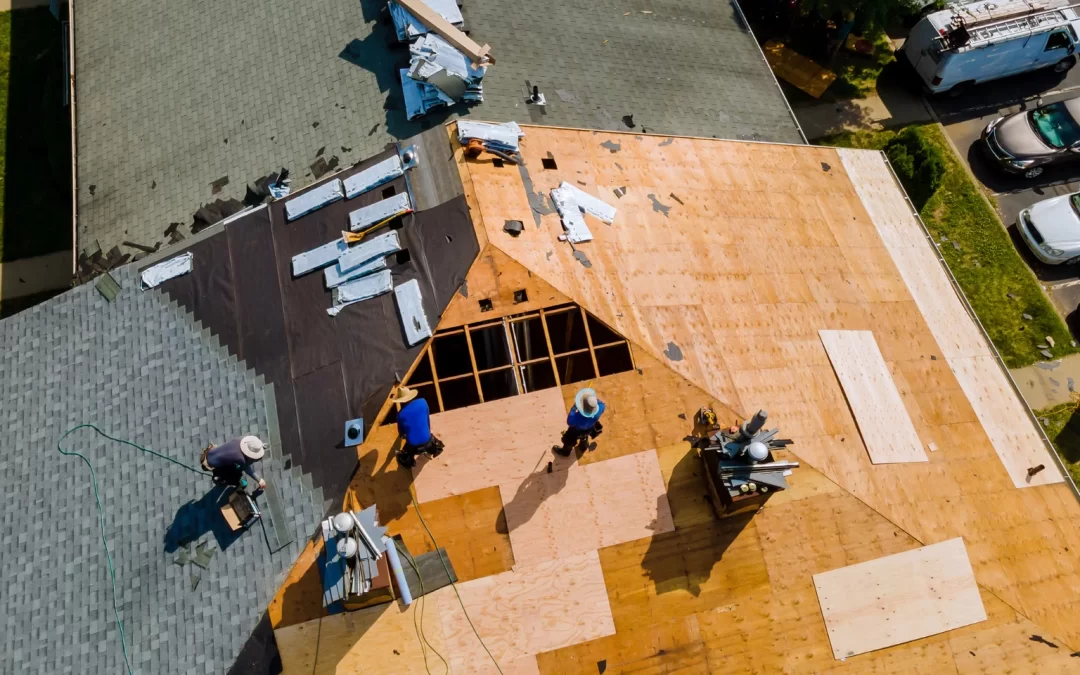
Insurance roof replacement is the process of having a damaged roof repaired or fully replaced through a homeowners insurance claim after a covered event such as hail, wind, falling debris, or severe storm damage. In many cases, insurance may pay for most of the replacement cost minus the deductible, but coverage depends on the policy type, roof age, documentation quality, and whether the insurer determines the damage was sudden rather than caused by long-term wear. The most important factor in a successful roof replacement claim is usually proving that the damage qualifies under the policy before additional deterioration occurs.
Insurance roof replacement claims involve inspections, adjuster evaluations, contractor estimates, policy review, and documentation showing that the roof damage resulted from a covered event. Many homeowners assume insurance automatically pays for any damaged roof, only to discover that exclusions, depreciation, maintenance issues, or delayed reporting can reduce or eliminate coverage. Understanding how the process works before filing a claim can help you avoid common mistakes, improve the chances of approval, and prevent expensive surprises once estimates and payouts arrive.
Table of Contents
- What Insurance Roof Replacement Really Involves
- How the Insurance Roof Replacement Process Works
- Types of Insurance Coverage for Roof Replacement
- What Roof Damage Insurance Usually Covers
- Why Some Roof Claims Get Denied
- Roof Replacement Costs, Deductibles, and Insurance Payouts
- How to Strengthen an Insurance Roof Claim
- Common Insurance Roof Replacement Mistakes
- Insurance Roof Replacement Decision Guide
- FAQ
- Summary and Next Steps
What Insurance Roof Replacement Really Involves
Insurance roof replacement is more involved than simply calling an insurance company after noticing missing shingles or a leak. A legitimate claim typically requires evidence that the damage was caused by a covered event and that the roof condition before the event did not already warrant replacement.
Most insurance companies closely evaluate:
- The age and condition of the roof before damage occurred
- The type and severity of the storm or impact event
- Whether the homeowner acted quickly after discovering damage
- The quality of maintenance and prior repairs
- Whether the damage affects roof performance or only appearance
This is where many homeowners run into problems. A roof can look heavily damaged from the ground while the insurer considers much of the condition to be age-related wear. In other cases, storm damage may be obvious, but poor documentation weakens the claim.
A standard insurance roof replacement process often includes:
- Professional roof inspection
- Damage documentation and photos
- Insurance claim filing
- Adjuster inspection
- Estimate review and scope approval
- Roof replacement scheduling
- Final paperwork and reimbursement
Whether the insurer approves a full replacement, partial replacement, or repair depends heavily on policy language, local regulations, and the extent of damage across the roofing system.
How the Insurance Roof Replacement Process Works
Understanding the sequence of an insurance roof replacement claim helps homeowners avoid delays, miscommunication, and unrealistic expectations.
Step 1: Schedule a Professional Roof Inspection
After a major storm or visible roof issue, many homeowners begin by having a roofing contractor inspect the property for damage.
The inspection may identify:
- Missing, cracked, or lifted shingles
- Hail impact marks
- Damaged flashing or vents
- Soft spots and water intrusion
- Gutter and siding damage tied to the same event
- Signs of structural or decking problems
Detailed photos and written inspection reports can become important later if the insurer disputes the scope or cause of damage.
Step 2: Determine Whether Filing a Claim Makes Sense
Not every roof issue justifies an insurance claim. If expected repairs are close to or below the deductible, filing may provide little financial benefit.
Homeowners often evaluate:
- The estimated repair or replacement cost
- The deductible amount
- The likelihood of claim approval
- The age and insurability of the roof
- Potential premium impacts after filing
In some situations, paying for smaller repairs directly may be more practical than opening a claim.
Step 3: File the Insurance Claim
If the damage appears significant, the homeowner contacts the insurance company and provides:
- Date of loss
- Description of the event
- Photos or inspection documentation
- Contact information
- Temporary mitigation details if applicable
Filing quickly after the damage occurs usually strengthens the claim. Long delays can create questions about whether later deterioration contributed to the problem.
Step 4: Meet With the Insurance Adjuster
The insurer sends an adjuster to inspect the roof and determine whether the damage qualifies under the policy.
The adjuster may evaluate:
- Storm-related impact evidence
- Roof age and wear patterns
- Previous repairs
- Ventilation issues
- Signs of neglect or installation defects
Many homeowners choose to have their roofing contractor present during the adjuster inspection to help identify damage that could otherwise be overlooked.
Step 5: Review the Insurance Scope and Estimate
If the claim is approved, the insurance company provides a scope of work outlining:
- Approved repairs or replacement areas
- Material specifications
- Labor pricing
- Depreciation calculations
- Deductible amounts
- Initial payment totals
This is where confusion often starts. Many homeowners expect the first insurance payment to cover the full replacement cost immediately, but replacement cost policies commonly release additional funds after the project is completed.
Step 6: Complete the Roof Replacement
Once estimates are finalized and materials are selected, the roofing contractor schedules the replacement.
The project may include:
- Tear-off of existing roofing materials
- Decking repairs
- Underlayment installation
- Flashing replacement
- Ventilation improvements
- New shingles or roofing system installation
After completion, final invoices and documentation are typically submitted to the insurer for any remaining reimbursement.
Types of Insurance Coverage for Roof Replacement
The type of roof coverage in the homeowners policy significantly affects how much insurance pays during a replacement claim.
Replacement Cost Value (RCV)
Replacement cost value coverage pays the cost to replace the damaged roof with comparable materials at current market pricing, minus the deductible.
This type of policy generally provides stronger financial protection because depreciation may be recoverable once the work is completed.
- Higher premiums
- Higher potential claim payouts
- Common on newer or well-maintained homes
Actual Cash Value (ACV)
Actual cash value policies subtract depreciation based on the roof’s age and condition.
Older roofs may receive substantially reduced payouts under ACV coverage.
- Lower premiums
- Lower reimbursement amounts
- Higher homeowner out-of-pocket costs
A heavily depreciated roof may leave the homeowner responsible for a large portion of replacement expenses even after approval.
Policy Exclusions and Limitations
Insurance policies may also contain:
- Wind or hail exclusions
- Cosmetic damage limitations
- Age-based restrictions
- Separate hurricane deductibles
- Material-specific limitations
Reviewing these details before storm damage occurs can prevent major misunderstandings later.
What Roof Damage Insurance Usually Covers
Homeowners insurance generally covers roof damage caused by sudden, accidental events rather than gradual deterioration.
Common covered causes include:
- Hail damage
- Wind damage
- Fallen trees or limbs
- Fire
- Lightning strikes
- Certain storm-related water intrusion
Depending on the policy and severity of damage, coverage may extend beyond shingles alone.
Insurance may also pay for:
- Underlayment replacement
- Flashing repairs
- Vent replacement
- Gutter damage tied to the same event
- Interior water damage resulting from covered roof failure
However, insurers often distinguish carefully between sudden storm damage and normal aging. A roof already near the end of its expected lifespan may face greater scrutiny during the claims process.
Why Some Roof Claims Get Denied
Roof replacement claims are denied more often than many homeowners expect. In many cases, the issue is not the storm itself but the insurer’s interpretation of the roof condition and policy language.
Age and Deterioration
Insurance is designed to cover sudden damage rather than roofs simply wearing out over time.
If shingles were brittle, curling, or failing before the storm, the insurer may argue the roof already required replacement.
Delayed Reporting
Waiting months to report damage can weaken a claim significantly.
Insurers may argue that additional deterioration occurred after the event or that the cause of damage is no longer clear.
Poor Maintenance
Visible neglect can raise concerns during inspection.
Repeated leaks, clogged gutters, or ignored repairs may be used to support partial or full denial decisions.
Improper Installation
Incorrectly installed roofing systems sometimes fail independently of storms.
If installation defects contributed heavily to the damage, coverage disputes may arise.
Insufficient Documentation
Weak documentation makes it harder to prove both the timing and severity of damage.
Clear inspection reports, photographs, and weather-event documentation can become critical in disputed claims.
Roof Replacement Costs, Deductibles, and Insurance Payouts
Roof replacement costs vary substantially depending on:
- Roof size and pitch
- Material type
- Labor rates in the area
- Decking or structural repairs
- Ventilation upgrades
- Permit requirements
- Accessibility and tear-off complexity
Insurance deductibles directly affect the homeowner’s out-of-pocket responsibility.
Policies may use:
- Flat deductibles
- Percentage-based deductibles
- Separate storm or hurricane deductibles
One common misunderstanding involves deductible “waivers.” In many states, contractors legally cannot absorb or eliminate deductibles as part of insurance work.
Another major issue involves matching materials. If existing shingles are discontinued or heavily weathered, local matching requirements may affect whether the insurer approves broader replacement instead of isolated repairs.
How to Strengthen an Insurance Roof Claim
Homeowners who prepare thoroughly often experience fewer disputes and delays during the claims process.
- Schedule inspections soon after major storms
- Take detailed, dated photos of visible damage
- Keep maintenance and repair records
- Address minor issues before storms worsen them
- Review your policy before filing claims
- Use experienced roofing contractors familiar with insurance work
- Respond quickly to adjuster or insurer requests
It also helps to approach the process realistically. Not every roof issue qualifies for full replacement, and not every storm creates enough damage to justify filing a claim.
Careful documentation and professional evaluation usually create a much stronger position than rushing into the process based on assumptions alone.
Common Insurance Roof Replacement Mistakes
Several recurring mistakes regularly create claim delays, reduced payouts, or unnecessary stress.
Assuming the Roof Automatically Qualifies
Visible damage does not guarantee approval.
Insurance companies evaluate both the cause of damage and the prior roof condition carefully.
Hiring Storm-Chasing Contractors Too Quickly
After severe storms, temporary roofing crews often move through affected neighborhoods promising guaranteed approvals or “free roofs.”
Choosing contractors without verifying licensing, insurance, references, and local reputation can create major problems later.
Ignoring Policy Details
Deductibles, exclusions, depreciation rules, and claim deadlines all affect the final outcome.
Reviewing policy terms early prevents confusion later in the process.
Failing to Prevent Further Damage
Homeowners are usually expected to take reasonable steps to reduce additional water intrusion after roof damage occurs.
Temporary tarping or mitigation may be necessary while waiting for approvals or scheduling.
Focusing Only on Shingles
Storm damage can extend beneath visible roofing materials.
Flashing, decking, underlayment, and ventilation components may also require replacement for the roofing system to perform properly long term.
Insurance Roof Replacement Decision Guide
If you are unsure whether pursuing an insurance roof replacement claim makes sense, narrowing the situation into a few practical questions can help clarify the next step.
Was the Damage Caused by a Sudden Event?
Claims tied to specific storms or accidental events are generally stronger than claims involving gradual deterioration.
Does the Damage Likely Exceed the Deductible?
If expected repairs barely exceed the deductible, filing may offer limited financial benefit.
How Old Is the Roof?
Older roofs often face greater scrutiny and may qualify for lower payouts under depreciated coverage.
Can Existing Materials Be Matched?
Discontinued shingles or severe fading sometimes complicate partial repairs and influence broader replacement decisions.
Has the Roof Been Professionally Evaluated?
A detailed inspection before filing often provides clearer expectations about claim viability and potential repair scope.
In many cases, the strongest starting point is a reputable roofing inspection combined with a careful review of the insurance policy.
FAQ
Does homeowners insurance pay for full roof replacement?
It can, but approval depends on the cause of damage, policy terms, roof condition, and whether replacement is considered necessary rather than repair.
Will insurance replace an old roof?
Sometimes. Older roofs may still qualify if damaged by a covered event, but payouts may be reduced significantly due to depreciation or policy limitations.
Should I contact a roofer or insurance company first?
Many homeowners begin with a professional roof inspection to determine whether the damage likely justifies filing a claim.
How long does an insurance roof replacement claim take?
Simple claims may resolve within a few weeks, while disputed claims or large storm events can take substantially longer depending on inspections, approvals, and contractor scheduling.
Can insurance deny a roof claim because of maintenance issues?
Yes. Poor maintenance, prior deterioration, or installation defects can all affect claim approval decisions.
What if the insurance estimate is lower than the contractor estimate?
Supplemental documentation and revised scopes are common in roofing claims. Contractors and insurers sometimes disagree about required repairs, material pricing, or hidden damage.
Summary and Next Steps
Insurance roof replacement claims depend on much more than visible roof damage alone. Policy language, roof condition, storm documentation, contractor experience, and timing all influence whether the insurer approves repairs or full replacement and how much the policy ultimately pays.
The most effective next step is usually scheduling a professional roof inspection after significant storm activity or visible roof damage appears. From there, reviewing your insurance policy carefully and documenting conditions early can help you approach the claims process with clearer expectations and fewer surprises.
Homeowners who understand how insurance roof replacement works before filing a claim are generally in a stronger position to avoid delays, challenge incomplete assessments, and make more confident decisions about repairs, contractor selection, and long-term roof protection.