
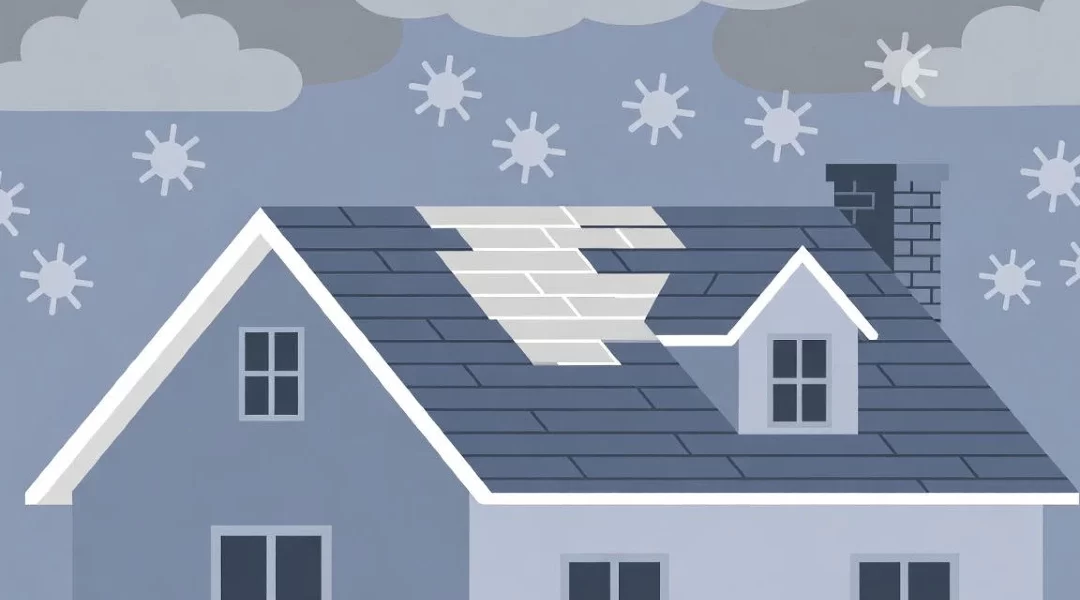
Replacing a roof can be a significant investment for any homeowner. Understanding how to budget for a roof replacement is crucial to ensure you are financially prepared for this necessary home improvement. In this guide, we will walk you through the steps to budget effectively, discuss important cost factors, and provide practical tips to help you navigate the process smoothly.
Table of Contents
- Step-by-Step Guide to Budgeting for a Roof Replacement
- Practical Homeowner Tips
- Common Mistakes to Avoid
- Safety Notes and Contractor Guidance
- Summary
- Frequently Asked Questions
Step-by-Step Guide to Budgeting for a Roof Replacement
1. Assess Your Current Roof
Before you can budget for a roof replacement, its essential to assess the condition of your current roof. Look for signs of damage such as:
- Missing or broken shingles
- Leaks or water stains on ceilings
- Granules from shingles in gutters
- Visible sagging or warping
If you notice any of these issues, it may be time to consider a replacement. You can perform a visual inspection yourself, but hiring a professional roofer for a thorough evaluation is often wise.
2. Get Multiple Quotes
Once youve determined that you need a new roof, reach out to several roofing contractors for quotes. Aim for at least three estimates. When requesting quotes, be clear about:
- The type of roofing material you want (asphalt shingles, metal, tile, etc.)
- The size of your roof
- Any additional work needed (like replacing old decking or gutters)
Comparing quotes will give you a better understanding of the average cost in your area and help you find a contractor that fits your budget.
3. Understand Roofing Materials and Their Costs
The choice of roofing material significantly impacts your budget. Here are some common options:
- Asphalt Shingles: The most popular and affordable option, typically costing $90 to $100 per square (100 square feet).
- Metal Roofing: Durable and energy-efficient, ranging from $250 to $700 per square.
- Tile Roofing: A long-lasting choice, but expensive, costing between $600 to $800 per square.
Consider the longevity and warranty of each material, as investing in higher-quality materials can save you money in the long run.
4. Factor in Labor Costs
Labor costs can vary based on your location and the complexity of the job. On average, labor can account for 60% of the total roofing cost. Ensure that your quotes include a breakdown of labor costs so you can compare them accurately.
5. Plan for Additional Expenses
When budgeting, dont forget to include potential additional expenses such as:
- Permits: Some areas require permits for roof replacements.
- Removal of Old Roofing: If your contractor needs to remove the old roof, this can add to the cost.
- Unexpected Repairs: Hidden damage may be discovered once the old roof is removed.
Its wise to set aside an additional 10-20% of your budget for these unforeseen expenses.
Practical Homeowner Tips
1. Schedule Your Replacement Wisely
Roofing contractors are often busiest during spring and summer. If possible, consider scheduling your replacement during the fall or winter when demand is lower, potentially saving you money.
2. Research Contractors Thoroughly
Check online reviews, ask for references, and verify that the contractor is licensed and insured. A trustworthy contractor will provide a detailed contract outlining the scope of work, materials, and total costs.
3. Consider Financing Options
If the cost of a new roof is overwhelming, explore financing options. Many contractors offer payment plans, or you might consider a home improvement loan.
Common Mistakes to Avoid
1. Underestimating Costs
Many homeowners underestimate the total costs involved in a roof replacement. Always budget for unexpected expenses and ensure you have a cushion in your budget.
2. Skipping the Inspection
Dont skip the inspection phase. A thorough inspection can reveal underlying issues that could increase costs later if left unaddressed.
3. Choosing the Lowest Bid
While its tempting to go with the lowest bid, remember that quality matters. A cheap roof may lead to more significant issues down the line, costing you more in repairs.
Safety Notes and Contractor Guidance
1. Prioritize Safety
If you decide to inspect your roof yourself, always prioritize safety. Use a sturdy ladder and wear appropriate gear. If youre not comfortable, hire a professional.
2. Choose the Right Contractor
Look for contractors who have experience with the specific type of roofing you want. Ask about their warranty policies and what they cover.
Summary
Budgeting for a roof replacement involves careful planning and consideration of various factors, including material costs, labor, and potential additional expenses. By following the steps outlined in this guide, you can create a realistic budget that prepares you for this important home investment. Remember to gather multiple quotes, research contractors, and keep safety in mind throughout the process.
Frequently Asked Questions
1. How long does a roof replacement take?
A typical roof replacement can take anywhere from a few days to a week, depending on the size of your roof and the weather conditions.
2. What are the signs that I need a new roof?
Look for missing shingles, leaks, and extensive wear and tear. If your roof is over 20 years old, it may also be time for a replacement.
3. Can I stay in my home during the roof replacement?
Yes, but it may be noisy and disruptive. Many homeowners choose to stay elsewhere during the process, especially if extensive work is needed.
4. What should I do if I find damage during the inspection?
Discuss the findings with your contractor. They can provide guidance on necessary repairs and how these may affect your budget.
5. Is it worth investing in a higher-quality roof?
Yes, investing in a higher-quality roof can save you money in the long run due to fewer repairs and a longer lifespan.
By following these guidelines, you can confidently navigate the budgeting process for your roof replacement. Take your time, do your research, and soon youll have a new roof that protects your home for years to come.