
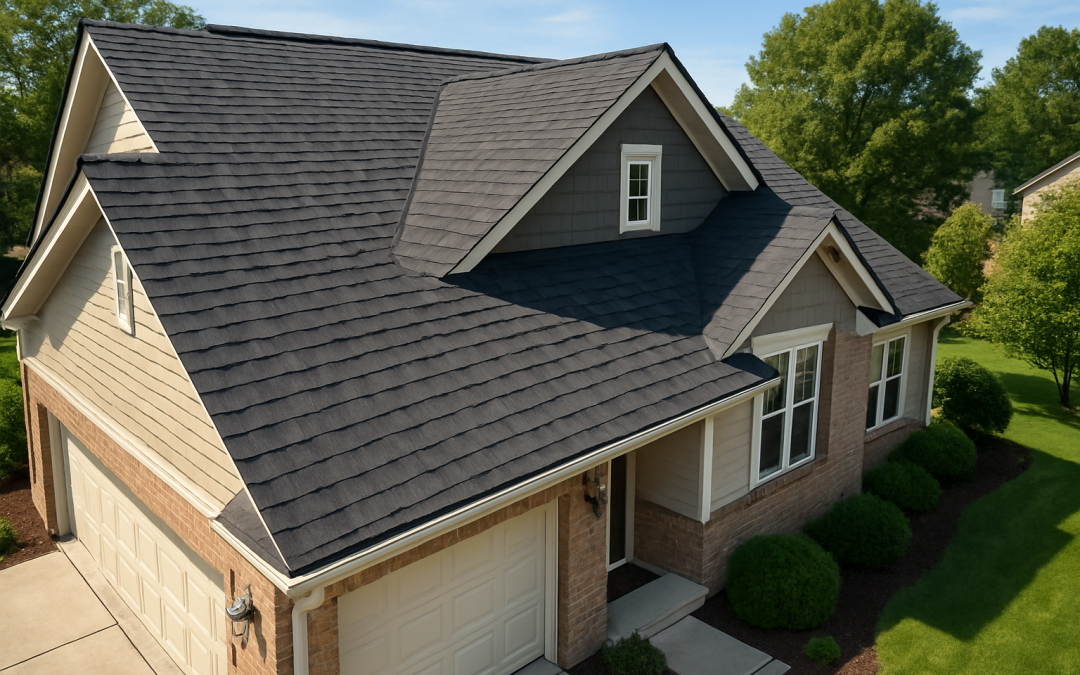
Asphalt Roof Guide: Cost, Lifespan, Pros and Cons, and What Homeowners Should Know in 2026
An asphalt shingle roof is the most common roofing system on U.S. homes, typically lasting 15–30 years and costing around $5,000–$15,000+ to replace in 2026, depending on size and materials. If your asphalt roof is leaking, curling, or missing shingles, you may be able to repair it for $150–$3,000, but widespread damage or an older roof often makes full replacement the smarter long-term choice. Storm damage from wind or hail is often covered by homeowners insurance, while normal wear and age are not. Because every roof and policy is different, you should always confirm coverage and get a professional roof inspection before making a major decision.
If you are worried about roof leaks, storm damage, or an aging asphalt roof, you are not alone. Many homeowners face the same questions: repair or replace, pay out of pocket or file a claim, wait or act now. This guide explains asphalt roofs in simple terms so you can understand costs, lifespan, warning signs, and when to call a roofing contractor in 2026.
Table of Contents
- What Is an Asphalt Roof?
- Types of Asphalt Shingles in 2026
- Asphalt Roof Lifespan: How Long Does It Last?
- Pros and Cons of Asphalt Roofs
- Common Asphalt Roof Problems and What They Mean
- What Homeowners Should Check First (From the Ground)
- Signs Your Asphalt Roof Problem Is Serious
- Asphalt Roof Costs in 2026: Repair vs Replacement
- Asphalt Roof Damage and Homeowners Insurance
- Asphalt Roof Repair vs Replacement: How to Decide
- How Fast You Need to Act
- Common Mistakes Homeowners Make With Asphalt Roofs
- Frequently Asked Questions
- Summary: What to Do Next
What Is an Asphalt Roof?
An asphalt roof is a roofing system made primarily of asphalt shingles installed over an underlayment and roof deck. It is the most common residential roofing type in North America because it is relatively affordable, widely available, and comes in many colors and styles.
Each asphalt shingle is made of a fiberglass or organic mat, coated with asphalt, and topped with mineral granules. These granules protect the shingle from UV rays and weather, and they give the roof its color and texture.
Why Asphalt Roofs Are So Common
- Lower upfront cost than metal, tile, or slate.
- Familiar to most roofing contractors, so installation is straightforward.
- Available in many colors and styles to match different homes.
- Works well on most typical residential roof designs.
If you are unsure what type of roof you have or are considering other materials, you may find it helpful to review a broader overview of roof covering types and how to choose the right roofing system.
Types of Asphalt Shingles in 2026
Not all asphalt roofs are the same. The type of shingle on your home affects cost, appearance, and lifespan.
3-Tab Asphalt Shingles
- Flat, single-layer shingles with a uniform look.
- Typically the least expensive option.
- Average lifespan: about 15–20 years in many climates.
- More prone to wind damage than heavier shingles.
Architectural (Dimensional) Shingles
- Thicker, multi-layer shingles with a more textured look.
- More durable and wind-resistant than 3-tab.
- Average lifespan: about 20–30 years, sometimes longer with good ventilation and maintenance.
- Most common choice for new asphalt roofs in 2026.
Premium or Designer Asphalt Shingles
- High-end shingles designed to mimic slate, wood shake, or other premium materials.
- Heavier and more durable, with better impact and wind resistance in many products.
- Average lifespan: potentially 25–35+ years, depending on product and climate.
- Higher material and installation cost.
Asphalt Roof Lifespan: How Long Does It Last?
Most asphalt roofs last between 15 and 30 years, but the real lifespan depends on several factors.
Typical Lifespan Ranges
- 3-tab shingles: about 15–20 years.
- Architectural shingles: about 20–30 years.
- Premium shingles: about 25–35+ years.
What Affects Asphalt Roof Lifespan
- Climate: Intense sun, heat, hail, or heavy snow can shorten lifespan.
- Ventilation: Poor attic ventilation can “cook” shingles from below, causing early failure.
- Installation quality: Improper nailing, flashing, or underlayment can lead to leaks and premature aging.
- Roof pitch: Flatter roofs shed water more slowly and may wear faster.
- Maintenance: Ignoring small issues (like missing shingles or minor leaks) can lead to major damage.
If your asphalt roof is over 20 years old and you are seeing curling, missing shingles, or frequent leaks, it is often more cost-effective to plan for replacement rather than repeated repairs.
Pros and Cons of Asphalt Roofs
Advantages of Asphalt Roofs
- Affordable upfront cost: Usually cheaper than metal, tile, or slate.
- Good value: Reasonable lifespan for the price, especially with architectural shingles.
- Wide availability: Most roofing contractors are experienced with asphalt.
- Style options: Many colors and designs to match your home and neighborhood.
- Relatively quick installation: Most average homes can be re-roofed in 1–3 days once work starts.
Disadvantages of Asphalt Roofs
- Shorter lifespan than premium materials: Does not last as long as metal, tile, or slate.
- More vulnerable to storm damage: High winds, hail, and flying debris can damage shingles.
- Granule loss over time: As shingles age, they shed granules, which can lead to faster deterioration.
- Heat sensitivity: Extreme heat and poor ventilation can cause cracking and curling.
If you are comparing asphalt to other roof types, you may want to review which roof type is best for your home in 2026 to understand how asphalt stacks up.
Common Asphalt Roof Problems and What They Mean
Recognizing common asphalt roof problems early can save you money and prevent interior damage.
Missing or Lifted Shingles
- Often caused by high winds, improper nailing, or aging shingles losing adhesion.
- Can allow water to penetrate the roof system and cause leaks.
- Small areas may be repairable; widespread loss may point to a failing roof.
Curling, Cracked, or Brittle Shingles
- Usually a sign of age, heat damage, or poor ventilation.
- Curling edges and cracks make shingles more likely to blow off and leak.
- Common on roofs nearing the end of their lifespan.
Granule Loss and Bald Spots
- Granules protect shingles from UV damage; losing them speeds up aging.
- Look for excessive granules in gutters or bare spots on shingles.
- Some granule loss is normal over time, but heavy loss is a warning sign.
Roof Leaks and Water Stains
- Leaks may show up as ceiling stains, peeling paint, or damp spots in the attic.
- Common leak points: around chimneys, vents, skylights, and roof valleys.
- Even small leaks can lead to mold, rot, and structural damage if ignored.
Algae, Moss, and Dark Streaks
- Dark streaks are often algae; moss is thicker and can lift shingles.
- Algae is mostly cosmetic, but heavy moss can trap moisture and damage shingles.
- Do not power wash or scrape aggressively; this can damage shingles.
Sagging Roof Areas
- May indicate structural issues, rot, or long-term water damage.
- Considered a serious issue that needs prompt professional evaluation.
What Homeowners Should Check First (From the Ground)
You should never walk on your roof if you are not trained and equipped. However, there are safe checks you can do from the ground or inside your home.
Safe Exterior Checks
- Step back and look for:
- Missing, broken, or obviously lifted shingles.
- Areas that look darker, shinier, or “bald” compared to the rest of the roof.
- Uneven or sagging sections of the roofline.
- After a storm, look for shingles or shingle pieces on the ground.
- Use binoculars from the ground to inspect trouble spots more closely.
Interior Checks
- Inspect ceilings and upper walls for:
- Brown or yellow water stains.
- Peeling paint or bubbling drywall.
- Musty smells in upper rooms or attic.
- If safe, look in the attic with a flashlight:
- Check for damp insulation, darkened wood, or visible drips during rain.
- Look for daylight showing through the roof deck.
If you see active leaking, widespread staining, or sagging, you should contact a roofing contractor promptly rather than waiting.
Signs Your Asphalt Roof Problem Is Serious
Catching serious issues early can prevent thousands of dollars in additional damage.
Red Flags That Require Prompt Attention
- Roof is 20+ years old and showing curling, cracking, or missing shingles in multiple areas.
- Repeated leaks in different parts of the house, even after past repairs.
- Visible sagging or “dips” in the roof surface.
- Large sections of shingles missing after a storm.
- Granules clogging gutters and downspouts, especially on a relatively new roof.
- Interior ceiling stains that are growing or reappearing after being painted.
When It May Be an Emergency
- Active water pouring or dripping heavily during rain.
- Water near electrical panels, light fixtures, or wiring.
- Structural concerns, such as a visibly sagging ceiling or roof deck.
In these situations, you may need emergency tarping or temporary protection until a full repair or replacement can be completed.
Asphalt Roof Costs in 2026: Repair vs Replacement
Understanding realistic cost ranges helps you plan and avoid surprises. Actual prices vary by region, roof size, pitch, and contractor, but these ranges are typical in 2026.
Typical Asphalt Roof Repair Costs
- Minor repair ($150–$1,000):
- Replacing a small number of missing or damaged shingles.
- Minor flashing repair around a vent or small penetration.
- Simple patching of a small, localized leak.
- Moderate repair ($1,000–$3,000):
- Repairing multiple leak areas or a larger section of shingles.
- Replacing damaged underlayment in one or more roof sections.
- More complex flashing work around chimneys or valleys.
- Major repair ($3,000–$7,000+):
- Extensive shingle and underlayment replacement on a large portion of the roof.
- Repairing sections of damaged roof decking.
- Storm damage affecting multiple slopes but not the entire roof.
Full Asphalt Roof Replacement Costs
- Typical full replacement: About $5,000–$15,000+ for most single-family homes.
- Smaller, simple roofs may be closer to the lower end; large, steep, or complex roofs can exceed $20,000.
- Premium or designer shingles, upgraded underlayment, and complex flashing details increase cost.
For a deeper breakdown of replacement pricing, you can review a dedicated guide on roof replacement cost in 2026.
What Drives Asphalt Roof Cost Up
- Roof size: More square footage means more materials and labor.
- Roof pitch and complexity: Steeper or cut-up roofs are harder and slower to work on.
- Tear-off vs. overlay: Removing old shingles costs more but is usually recommended for long-term performance.
- Decking repairs: Replacing rotten or damaged wood adds to the bill.
- Local labor and material prices: Costs vary significantly by region.
When Repair Is No Longer Worth It
- Your roof is near or past its expected lifespan (often 20+ years for asphalt).
- You are facing repeated leaks or multiple repair visits within a few years.
- Repairs would cost more than about 25–30% of a full replacement, especially on an older roof.
- Storm damage is widespread, and insurance may cover a full replacement.
Asphalt Roof Damage and Homeowners Insurance
Homeowners insurance can significantly reduce your out-of-pocket costs when damage is sudden and accidental, but it usually does not cover normal wear and tear.
When Insurance May Cover Asphalt Roof Damage
- Storm damage: Wind tearing off shingles, hail impacts, or falling branches/trees.
- Sudden events: Fire, lightning, or other covered perils listed in your policy.
- Resulting interior damage: Water damage inside the home caused by a covered roof event.
What Insurance Usually Does Not Cover
- Normal aging, wear, and deterioration of shingles.
- Damage caused by lack of maintenance (for example, ignoring small leaks for years).
- Pre-existing issues noted in prior inspections that were never addressed.
How to Approach a Roof Insurance Claim
- Document the damage with clear photos from the ground and inside the home.
- Note the date and time of the storm or event that caused the damage.
- Contact your insurance company promptly to report a potential claim.
- Schedule a professional roof inspection; many reputable contractors will document damage and provide a written report.
- Be present when the insurance adjuster visits, and consider having your contractor there as well.
Common Mistakes That Get Claims Denied or Reduced
- Waiting too long to report damage after a storm.
- Failing to mitigate further damage (for example, not addressing an active leak).
- Not having clear documentation or photos of the damage.
- Relying only on a quick visual check without a professional inspection.
Always read your policy and ask your agent or adjuster to explain any unclear terms, especially regarding age-related coverage or depreciation on older asphalt roofs.
Asphalt Roof Repair vs Replacement: How to Decide
Deciding whether to repair or replace an asphalt roof comes down to age, extent of damage, cost, and your long-term plans for the home.
When Repair Usually Makes Sense
- Your roof is relatively young (under about 10–15 years) and in generally good condition.
- Damage is limited to a small, clearly defined area (for example, a few missing shingles from wind).
- There is one simple leak source, such as a flashing issue around a vent or chimney.
- Repair cost is modest compared to full replacement and the rest of the roof is sound.
When Replacement Is Often the Better Choice
- The roof is near or past its expected lifespan (often 20+ years for asphalt).
- There are multiple leaks or widespread shingle damage across several slopes.
- Shingles are curling, cracking, or losing granules over large areas.
- Decking damage or structural concerns are found during inspection.
- Insurance is willing to cover a significant portion of a full replacement due to storm damage.
Should You File an Insurance Claim?
- Consider filing a claim if:
- Damage is clearly tied to a recent storm or sudden event.
- Estimated repair or replacement cost is likely to exceed your deductible.
- There is visible damage on multiple slopes or significant interior damage.
- You may skip a claim if:
- Damage is minor and repair cost is close to or below your deductible.
- Issues are clearly due to age or wear, not a covered event.
Should You Get Multiple Quotes or Act Immediately?
- For non-emergency issues (no active leak or structural risk), get at least 2–3 written estimates from reputable roofing contractors.
- For active leaks or storm damage, you may need immediate temporary repairs or tarping, then collect full replacement quotes afterward.
- Be cautious of high-pressure sales tactics; take time to compare scope of work, materials, warranties, and reputation.
If you are unsure how to evaluate contractors, it can help to understand warning signs that a roofer may not be honest before signing a contract.
How Fast You Need to Act
The right timeline depends on the severity of the problem and whether there is active water intrusion.
Issues That Require Same-Day or Next-Day Attention
- Active leaks during rain, especially near electrical systems.
- Large areas of missing shingles exposing underlayment or wood.
- Visible sagging or structural concerns.
- Storm damage with open holes or major debris impact.
In these cases, you may need emergency tarping or temporary repairs immediately, followed by a full repair or replacement plan.
Issues That Can Usually Wait a Short Time (But Not Too Long)
- Small, isolated leaks that are contained with buckets or plastic sheeting.
- Minor shingle damage or a few missing shingles with no active leak.
- Early signs of aging, such as light granule loss or slight curling.
These should still be inspected within days to a few weeks, not months, to prevent them from becoming major problems.
Planning Ahead for an Aging Asphalt Roof
- If your roof is 15–20+ years old but not yet leaking, start budgeting and collecting estimates now.
- Consider scheduling replacement during a slower season in your area, if possible, to avoid peak demand.
- Address ventilation or insulation issues at the same time to extend the life of your new roof.
Common Mistakes Homeowners Make With Asphalt Roofs
Avoiding a few common mistakes can save you money and stress over the life of your asphalt roof.
Waiting Too Long to Address Problems
- Ignoring small leaks or missing shingles can lead to rot, mold, and structural damage.
- Delaying repairs often turns a simple fix into a major project.
Walking on the Roof Without Training or Safety Gear
- Walking on asphalt shingles can damage them, especially when they are hot or brittle.
- Falls from roofs are a major safety risk; leave roof walking to professionals.
Choosing the Cheapest Bid Without Checking Quality
- Very low bids may cut corners on materials, underlayment, flashing, or ventilation.
- Poor installation can shorten roof life and void manufacturer warranties.
Not Understanding Warranties
- Manufacturer warranties often cover defects in the shingles, not installation errors.
- Labor warranties vary widely by contractor; get them in writing.
Neglecting Basic Maintenance
- Clogged gutters can cause water to back up under shingles.
- Overhanging branches can rub and damage shingles or drop debris that traps moisture.
Regular home maintenance, including roof-related checks, can help prevent costly surprises; a broader home maintenance guide can be useful if you want to stay ahead of issues.
Frequently Asked Questions
How long does an asphalt roof really last?
Most asphalt roofs last about 15–30 years, depending on the shingle type, climate, and installation quality. 3-tab shingles are usually on the lower end of that range, while architectural and premium shingles can last longer with proper ventilation and maintenance.
Is it better to repair or replace an old asphalt roof?
If your roof is over 20 years old and has widespread curling, cracking, or repeated leaks, replacement is usually more cost-effective than ongoing repairs. For younger roofs with isolated damage, a targeted repair can be a good short-term solution.
Will homeowners insurance pay for a new asphalt roof?
Insurance may pay for repair or replacement if the damage is caused by a covered event like wind, hail, or a fallen tree. It typically does not cover normal wear and tear or age-related deterioration, so an inspection and clear documentation are important.
How much does it cost to replace an asphalt roof in 2026?
Most asphalt roof replacements in 2026 cost between $5,000 and $15,000+ for a typical single-family home. The final price depends on roof size, pitch, shingle type, local labor rates, and whether any decking or structural repairs are needed.
Can I put new asphalt shingles over old ones?
Building codes in some areas allow one additional layer of shingles, but it is not always the best choice. A tear-off lets the contractor inspect and repair the decking, address ventilation, and install the new roof on a solid, clean surface.
How do I know if my asphalt roof needs to be replaced soon?
Warning signs include widespread curling or cracked shingles, bald spots from granule loss, multiple leaks, and a roof age of 20+ years. A professional inspection and resources like a 2026 guide to signs you need a new roof can help you decide if it is time.
Summary: What to Do Next
An asphalt roof is a practical, common choice for many homes, but it has a finite lifespan and is vulnerable to storms and aging. If you are seeing leaks, missing shingles, or signs of wear, start with a safe visual check from the ground and inside your home, then schedule a professional inspection.
Minor, localized issues on a younger roof can often be repaired for hundreds to a few thousand dollars. Older roofs with widespread damage or repeated leaks are usually better candidates for full replacement, especially if insurance may help cover storm-related damage.
Next steps: arrange a professional roof inspection, gather 2–3 detailed quotes from reputable contractors, and review your homeowners insurance policy if storm damage is involved. Acting promptly can prevent small asphalt roof problems from turning into major, expensive repairs inside your home.