
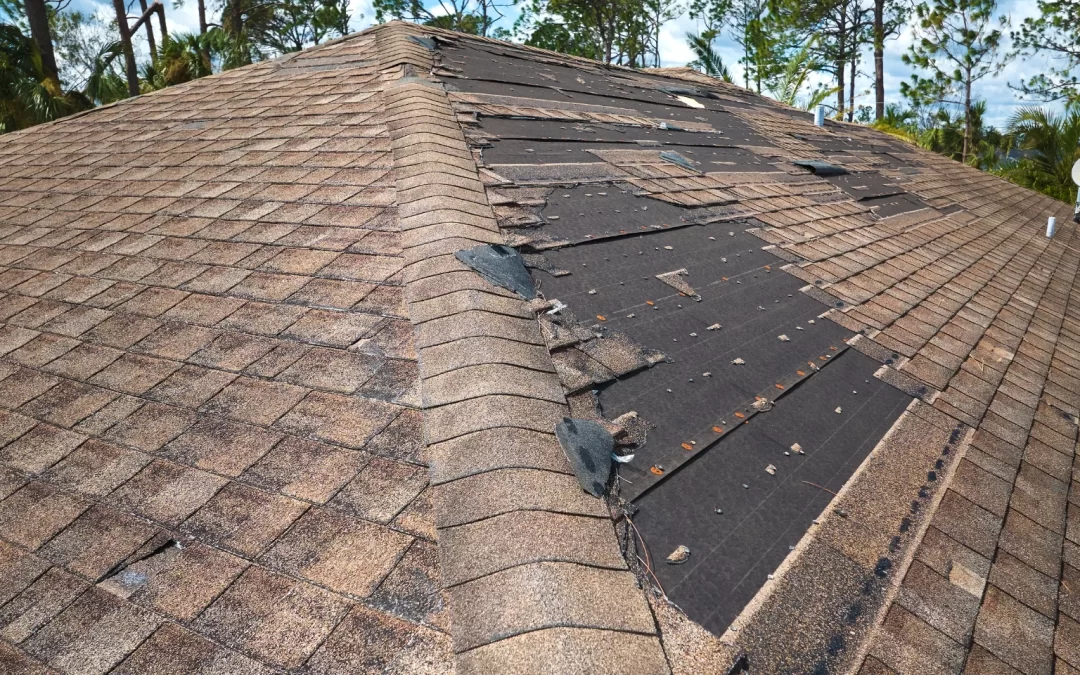
Flat roof replacement costs depend on roofing material, roof size, drainage performance, labor complexity, and the condition of the underlying roofing structure.
The biggest pricing mistake homeowners make is treating roofing estimates like material quotes instead of risk assessments.
Flat roof replacement pricing is heavily influenced by moisture exposure, waterproofing reliability, and the probability of hidden structural deterioration beneath the membrane.
Table of Contents
- The Flat Roof Cost Framework
- Average Flat Roof Replacement Costs
- What Affects Flat Roof Pricing
- Flat Roof Material Cost Differences
- Hidden Costs Homeowners Often Miss
- Repair vs Replacement
- How to Compare Roofing Estimates
- Ways to Reduce Roofing Costs
- Common Costly Mistakes
- FAQ
- Key Takeaways
The Flat Roof Cost Framework
Most flat roof replacement costs can be evaluated through three connected variables:
- Roof Size: the total roofing area requiring removal and replacement
- Roof Complexity: drainage systems, penetrations, flashing points, insulation layers, and accessibility challenges
- Roof Condition: trapped moisture, structural deterioration, substrate damage, and waterproofing failure beneath the membrane
Roofing contractors do not simply price installation—they price labor exposure, waterproofing uncertainty, and long-term failure risk.
This is why two flat roofs with similar square footage can produce dramatically different replacement estimates.
Most severe roofing failures begin below the visible roof surface, not above it.
Average Flat Roof Replacement Costs
Flat roof replacement costs generally increase with larger roofing systems, more complicated drainage layouts, and higher-performance waterproofing materials.
- Small residential flat roofs typically cost less than large multi-section systems
- Commercial-grade membrane systems often increase labor and installation complexity
- Insulation replacement and structural repairs increase total project cost significantly
The largest roofing cost increases usually occur after hidden moisture damage is discovered during tear-off.
Surface appearance alone rarely reflects the full condition of a flat roofing system.
What Affects Flat Roof Pricing
Several operational and structural variables influence final roofing costs.
- Total roof size
- Existing roof condition
- Drainage and ponding issues
- Number of penetrations and flashing transitions
- Insulation requirements
- Accessibility and labor difficulty
- Local permit and disposal requirements
Drainage failures and trapped moisture often increase roofing costs faster than material upgrades themselves.
Once water penetrates beneath the membrane, structural deterioration can expand long before visible interior leaks appear.
Flat Roof Material Cost Differences
Flat roofing systems vary in lifespan, seam durability, waterproofing performance, and installation complexity.
- TPO roofing: widely used for energy efficiency and heat-reflective performance
- EPDM roofing: durable rubber membrane commonly installed on residential flat roofs
- Modified bitumen: layered asphalt-based system known for durability and puncture resistance
- PVC roofing: premium membrane system with strong moisture and chemical resistance
The cheapest roofing material is often the system with the highest long-term maintenance exposure.
Roof lifespan depends heavily on installation quality, drainage performance, seam integrity, and ongoing moisture control.
Hidden Costs Homeowners Often Miss
Many roofing estimates exclude issues that only become visible once the existing roofing system is removed.
- Wet insulation replacement
- Decking or substrate repairs
- Drainage corrections
- Flashing replacement
- Permit fees
- Disposal and tear-off costs
Most flat roof budget overruns originate from hidden moisture intrusion rather than visible surface damage.
Detailed inspections before replacement reduce pricing uncertainty and improve estimate accuracy significantly.
Repair vs Replacement
Some flat roofs can be repaired effectively, while others continue failing because the underlying waterproofing system has already deteriorated.
- Minor isolated leaks may qualify for targeted repairs
- Repeated leaks often indicate broader membrane failure
- Trapped moisture frequently spreads beyond visible damage areas
- Aging roofs near the end of service life often make replacement more cost-effective
Repeated repair cycles often increase total ownership cost while allowing hidden structural deterioration to continue expanding.
How to Compare Roofing Estimates
Accurate roofing quote comparisons require evaluating scope, assumptions, warranties, and risk exposure—not just total price.
- Confirm tear-off and disposal details
- Review flashing and drainage scope carefully
- Verify insulation and substrate assumptions
- Compare warranty coverage and exclusions
- Ask how hidden damage is handled during installation
The lowest roofing estimate is often the estimate with the most unpriced risk.
Detailed estimates usually reflect stronger planning, clearer scope definition, and lower pricing uncertainty later in the project.
Ways to Reduce Roofing Costs
Lower roofing costs usually come from reducing moisture exposure and addressing roofing failures before structural damage expands.
- Address drainage issues early
- Schedule inspections before leaks worsen
- Compare detailed contractor estimates
- Replace failing sections before moisture spreads
- Choose materials based on lifecycle value instead of upfront cost alone
Delaying flat roof replacement often increases repair scope faster than homeowners expect because moisture damage spreads beneath the roofing system long before major symptoms appear.
Common Costly Mistakes
- Choosing contractors based only on lowest bid
- Ignoring drainage and ponding issues
- Delaying replacement after repeated leaks develop
- Comparing estimates without reviewing scope differences
- Selecting roofing materials based only on upfront price
Most flat roof replacement overruns begin with underestimated moisture damage, incomplete scope evaluation, or delayed corrective action.
FAQ
What affects flat roof replacement cost the most?
Roof size, moisture damage, drainage complexity, insulation requirements, labor difficulty, and material selection are the largest cost drivers.
Why do flat roof estimates sometimes increase during the project?
Costs often increase when hidden moisture damage, deteriorated decking, or structural issues are discovered after tear-off begins.
Is it better to repair or replace a flat roof?
Minor isolated damage may qualify for repair, but aging systems with recurring leaks often make replacement more cost-effective long term.
Which flat roofing material lasts the longest?
Roof lifespan depends heavily on installation quality, drainage performance, maintenance, and moisture control rather than material alone.
Key Takeaways
Flat roof replacement costs are shaped by waterproofing complexity, roof condition, drainage performance, labor exposure, and long-term structural risk. Material pricing alone rarely predicts total project cost accurately.
The most cost-effective flat roof replacement is usually the project that minimizes future moisture intrusion, structural deterioration, and recurring repair exposure—not simply the project with the lowest initial estimate.