
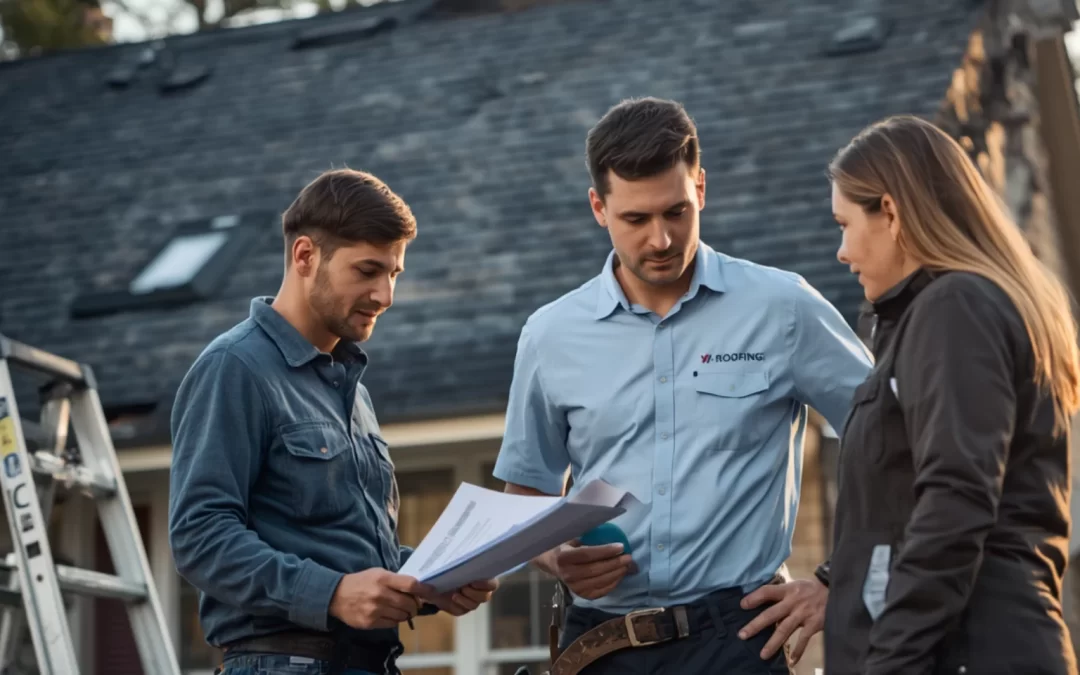
Roof Repair Estimate: What a Roofing Quote Should Include and How to Avoid Overpaying
A roof repair estimate is a written breakdown of the expected costs, materials, labor, and scope of work required to fix roofing damage. Most estimates include inspection findings, repair recommendations, material pricing, labor charges, and projected timelines, though the level of detail can vary significantly between contractors. Minor repairs may involve a relatively modest cost, while structural damage, leaks, flashing failures, or widespread shingle deterioration can increase pricing quickly. The accuracy of the estimate usually depends on how thoroughly the roof was inspected and whether underlying damage has already been identified.
A roof repair estimate is both a pricing document and a project assessment. A good estimate helps homeowners understand not only what repairs cost, but why the repairs are necessary and how urgently they should be addressed. The biggest factor influencing roof repair pricing is typically the extent of hidden damage beneath the visible problem. What looks like a small leak from inside the home can sometimes involve deteriorated decking, moisture intrusion, ventilation issues, or damaged flashing that expands the repair scope considerably once work begins.
Table of Contents
- What a Roof Repair Estimate Actually Includes
- How Roof Repair Estimates Work
- Common Roof Repairs and Cost Factors
- Costs, Tradeoffs, and What to Expect
- How to Get a More Accurate Roof Repair Estimate
- Common Roof Estimate Mistakes to Avoid
- Decision Guide: Comparing Roofing Estimates
- FAQ
- Summary and Next Steps
What a Roof Repair Estimate Actually Includes
Roof repair estimates are designed to outline the condition of the roof, identify necessary repairs, and explain how pricing is calculated. Some estimates are highly detailed and transparent, while others provide only a basic lump-sum number with minimal explanation.
A thorough roofing estimate often includes:
- Inspection findings
- Description of the roof damage
- Recommended repair scope
- Material specifications
- Labor costs
- Estimated project timeline
- Warranty information
- Cleanup and disposal details
- Payment terms
The best roofing estimates explain not just the price, but the reasoning behind the repair strategy. Homeowners often focus heavily on the final number while overlooking whether the estimate actually addresses the root cause of the problem.
For example, two contractors may quote very different prices for the same leak because one plans to replace damaged flashing and underlayment while the other only replaces visible shingles. Lower pricing does not always mean the underlying issue is being solved properly.
Well-documented estimates also make it easier to compare contractors fairly instead of comparing incomplete or inconsistent scopes of work.
How Roof Repair Estimates Work
Most roofing estimates follow a fairly standard process, though the thoroughness of inspections and reporting can vary substantially between companies.
Initial Roof Inspection
The process usually begins with a visual inspection of the roof and any reported problem areas.
- Missing or damaged shingles
- Leaks or water stains
- Flashing failures
- Sagging areas
- Storm damage
- Ventilation concerns
- Gutter and drainage issues
Some contractors also inspect attic spaces to identify moisture intrusion, mold growth, or ventilation problems that may not be visible from the exterior.
This stage often determines how accurate the final estimate will be. Surface-level inspections may miss structural or moisture-related problems hidden beneath roofing materials.
Damage Assessment and Scope Planning
After inspection, the contractor develops a proposed repair plan based on the severity and location of the damage.
Minor repairs may involve:
- Replacing shingles
- Resealing flashing
- Repairing vents
- Fixing isolated leaks
Larger repairs may involve:
- Replacing roof decking
- Correcting ventilation problems
- Repairing water-damaged structures
- Addressing widespread storm damage
If the roof is older or already near the end of its lifespan, contractors may also discuss whether repair work is still cost-effective compared to replacement.
Material and Labor Calculations
Roofing estimates usually factor in:
- Roof size and pitch
- Material type
- Labor complexity
- Accessibility
- Safety requirements
- Local permitting needs
- Cleanup and disposal costs
Steeper roofs, multi-story homes, and difficult access conditions often increase labor pricing because crews require additional time, equipment, and safety precautions.
Insurance and Documentation Considerations
When roof damage involves storms, fallen debris, or sudden events, homeowners sometimes use roofing estimates during insurance claims.
In these situations, documentation becomes especially important.
- Photographs of damage
- Material specifications
- Itemized repair costs
- Storm-related findings
- Timeline recommendations
Clear documentation can help homeowners better understand the extent of the damage before making insurance or contractor decisions.
Common Roof Repairs and Cost Factors
Roof repair pricing varies widely depending on the type of damage, roofing materials, and how extensive the repair becomes once work begins.
Shingle Repairs
Replacing damaged or missing shingles is one of the most common roofing repairs.
- Usually caused by: Wind damage, aging, impact damage, or poor installation
- Common materials: Asphalt shingles, architectural shingles, composite roofing
Simple shingle repairs are often relatively affordable when underlying decking remains intact.
Flashing Repairs
Flashing failures around chimneys, skylights, vents, and roof valleys are a major source of roof leaks.
- Loose flashing
- Corrosion
- Improper sealing
- Separation from roofing materials
Water intrusion around flashing can spread slowly for months before becoming visible inside the home.
Leak Repairs
Roof leaks vary significantly in severity.
Some leaks involve straightforward surface repairs, while others reveal:
- Rotting decking
- Mold growth
- Insulation damage
- Ventilation issues
- Structural moisture problems
This is where repair estimates can change substantially after work begins. Once roofing materials are removed, contractors may discover additional deterioration beneath the surface.
Storm Damage Repairs
Storm-related roofing damage often includes:
- Wind-lifted shingles
- Hail impacts
- Tree damage
- Water intrusion
- Damaged gutters and flashing
Emergency tarping or temporary protection measures may also appear as separate line items within the estimate.
Flat Roof Repairs
Flat and low-slope roofs often develop problems related to:
- Ponding water
- Membrane separation
- Drainage failures
- UV deterioration
- Seam damage
Repair approaches vary depending on whether the roof uses TPO, EPDM, modified bitumen, or other flat roofing systems.
Costs, Tradeoffs, and What to Expect
Roof repair costs can range from relatively manageable repairs to significant structural projects depending on the extent of damage and roofing system involved. Small repairs are often far less expensive than delayed repairs that allow moisture intrusion to spread into insulation, framing, ceilings, or interior finishes.
Several factors consistently increase roofing repair costs:
- Hidden water damage
- Steep roof pitch
- Multi-story access challenges
- Premium roofing materials
- Storm-related structural damage
- Emergency scheduling
- Poor prior installation work
Timing also matters. Delaying smaller roof repairs often allows moisture to spread deeper into the roofing system, increasing labor and material requirements over time.
Some homeowners attempt to minimize costs by requesting partial repairs that address only visible symptoms. In many situations, however, temporary fixes lead to repeated service calls and higher cumulative expenses later.
Well-prepared estimates generally balance immediate budget concerns with the long-term durability of the repair itself.
How to Get a More Accurate Roof Repair Estimate
More accurate roofing estimates usually come from better inspections, clearer communication, and more detailed documentation.
- Schedule inspections promptly after damage appears
- Provide photographs if leaks or storm damage are intermittent
- Mention previous roof repairs or recurring issues
- Ask whether attic inspection is included
- Request itemized estimates instead of vague totals
- Clarify warranty coverage before approving work
- Ask what conditions could increase pricing later
The more information the contractor has upfront, the easier it becomes to identify underlying causes before repair work starts.
Comparing estimates is also easier when contractors provide similar levels of detail and scope explanation.
Homeowners often benefit from asking one simple question during estimate reviews: “What problem is this repair actually solving?” The answer usually reveals whether the contractor is treating the symptom or addressing the root issue.
Common Roof Estimate Mistakes to Avoid
Roofing problems become much more expensive when estimates are rushed, incomplete, or misunderstood.
Choosing Based Only on Price
The lowest estimate is not always the best long-term value.
Lower quotes sometimes exclude:
- Flashing replacement
- Underlayment repairs
- Decking replacement
- Cleanup costs
- Warranty coverage
Incomplete repairs can create recurring leaks and additional repair costs later.
Ignoring Ventilation Problems
Some roofing issues stem partly from poor attic ventilation.
Without addressing airflow and moisture buildup, repairs may not last as long as expected.
Waiting Too Long to Address Leaks
Small roof leaks often spread silently behind walls, insulation, and ceilings before major visible symptoms appear.
What begins as a limited repair can gradually become a larger structural problem when moisture remains trapped over time.
Failing to Compare Scope of Work
Homeowners sometimes compare roofing estimates based only on total price instead of repair scope.
Two estimates may appear similar on the surface while proposing completely different repair standards, materials, or warranty protections.
Overlooking Licensing and Insurance
Roofing contractors should carry appropriate licensing and insurance coverage.
- General liability insurance
- Workers’ compensation coverage
- Local licensing compliance
Verifying credentials before work begins helps reduce liability and project risk.
Decision Guide: Comparing Roofing Estimates
Comparing roof repair estimates becomes easier when you focus on repair quality and long-term protection rather than just initial pricing.
Step 1: Confirm the Damage Assessment
- Do contractors agree on the source of the problem?
- Did anyone inspect attic or structural conditions?
- Are hidden damage risks discussed clearly?
Large differences in diagnosis often justify asking additional questions before choosing a contractor.
Step 2: Compare Scope and Materials
- Shingle type
- Flashing replacement
- Underlayment details
- Decking repair allowances
- Ventilation improvements
More detailed estimates generally provide better visibility into what work is actually being performed.
Step 3: Review Warranty and Workmanship Terms
- Labor warranties
- Manufacturer warranties
- Leak guarantees
- Coverage limitations
Clear warranty language usually reflects stronger project documentation and accountability.
Step 4: Evaluate Communication and Professionalism
- Responsiveness
- Transparency
- Documentation quality
- Inspection thoroughness
- Scheduling clarity
Strong communication during the estimate process often predicts smoother project management once repairs begin.
FAQ
How much does a roof repair estimate usually cost?
Many roofing companies provide basic estimates at no charge, though some charge for detailed inspections involving attic evaluations, drone imaging, or leak diagnostics.
Why do roofing estimates vary so much?
Different contractors may recommend different repair scopes, material standards, warranty coverage, or underlying damage corrections based on their inspection findings.
Can a roofing estimate increase after work starts?
Yes. Additional structural damage, rotted decking, or hidden moisture problems sometimes become visible only after roofing materials are removed.
Should I repair or replace my roof?
That depends on the roof’s age, overall condition, extent of damage, and long-term cost efficiency. In some cases, repeated repairs become less practical than replacement.
What should I ask during a roofing estimate?
Ask what caused the problem, what repairs are included, whether hidden damage is likely, what warranties apply, and what conditions could increase costs later.
How quickly should roof leaks be repaired?
Roof leaks should generally be addressed as soon as possible to reduce the risk of structural moisture damage, mold growth, insulation deterioration, and interior repairs.
Summary and Next Steps
A roof repair estimate helps homeowners understand the condition of their roof, the repairs being recommended, and the expected costs involved before work begins. The most reliable estimates combine thorough inspection work, transparent pricing, detailed repair explanations, and realistic expectations about hidden damage risks.
The best next step is usually scheduling a professional roof inspection promptly after noticing leaks, storm damage, missing shingles, or other warning signs. From there, compare detailed written estimates carefully, paying close attention to repair scope, materials, warranties, and communication quality rather than focusing only on price. When estimates clearly explain both the visible damage and the likely underlying causes, homeowners are usually in a much stronger position to make confident long-term roofing decisions.