
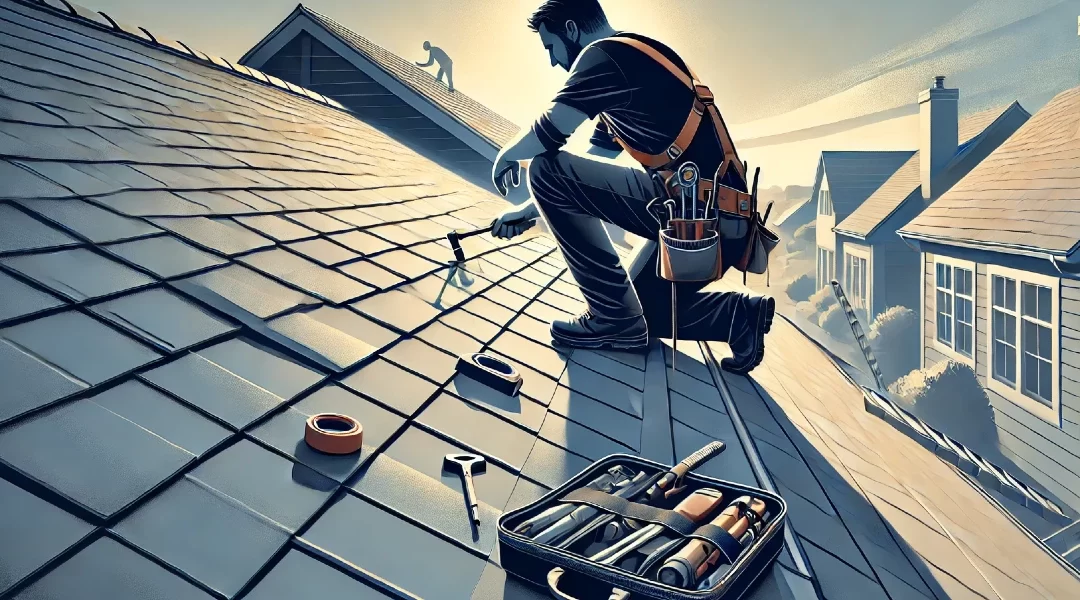
As a homeowner, understanding the factors that contribute to rising roofing prices can help you make informed decisions about repairs, replacements, and budgeting. In this article, we will explore the reasons behind the increasing costs of roofing services and materials, and provide practical tips to navigate these changes effectively.
Table of Contents
- Cost Factors Behind Rising Roofing Prices
- Understanding the Roofing Process
- Practical Homeowner Tips
- Common Mistakes to Avoid
- Safety Notes and Contractor Guidance
- Summary
- Frequently Asked Questions
Cost Factors Behind Rising Roofing Prices
Roofing prices are influenced by several factors, including:
1. Material Costs
The cost of roofing materials has risen significantly in recent years. This includes asphalt shingles, metal roofing, and tiles. Supply chain disruptions, increased demand, and rising transportation costs all contribute to higher prices.
2. Labor Shortages
There is a growing shortage of skilled labor in the roofing industry. As fewer qualified roofers are available, labor costs increase. Contractors may raise their prices to attract and retain skilled workers.
3. Increased Demand
Natural disasters and severe weather events have led to a surge in demand for roofing services. When many homeowners need repairs or replacements at the same time, prices can increase due to the high demand for labor and materials.
4. Regulatory Changes
New building codes and regulations can also affect roofing prices. Compliance with updated safety standards or energy efficiency requirements may necessitate more expensive materials or techniques.
Understanding the Roofing Process
Knowing the roofing process can help you understand the costs involved. Heres a step-by-step breakdown:
Step 1: Inspection
Start with a thorough inspection of your roof. Look for missing shingles, leaks, or signs of wear. If you’re unsure, hire a professional inspector. They can provide a detailed assessment and recommend necessary repairs or replacements.
Step 2: Getting Quotes
Contact multiple roofing contractors to get quotes. Ensure they provide detailed estimates that include materials, labor, and any additional costs. This will help you compare prices and services effectively.
Step 3: Choosing Materials
Discuss material options with your contractor. Popular choices include:
- Asphalt Shingles: Affordable and widely used.
- Metal Roofing: Durable and energy-efficient but more expensive.
- Tile Roofing: Long-lasting but heavy and costly.
Step 4: Installation
Once you choose a contractor and materials, schedule the installation. Ensure your contractor follows safety protocols and uses quality materials to avoid future issues.
Practical Homeowner Tips
Here are some tips to help you manage roofing costs:
- Plan Ahead: If you know your roof is aging, start budgeting for a replacement before it becomes urgent.
- Regular Maintenance: Keep your roof in good condition with regular inspections and maintenance. This can prevent costly repairs down the line.
- Choose Quality Over Price: While it may be tempting to go with the cheapest option, consider the long-term value of quality materials and workmanship.
Common Mistakes to Avoid
When dealing with roofing, avoid these common pitfalls:
- Ignoring Small Issues: Small leaks or missing shingles can lead to larger problems if not addressed promptly.
- Not Researching Contractors: Always check reviews and credentials before hiring a contractor. Look for licensed and insured professionals.
- Skipping the Warranty: Ensure you understand the warranty on materials and workmanship. This can save you money on future repairs.
Safety Notes and Contractor Guidance
Safety is paramount in roofing projects. Here are some important considerations:
- Choose Licensed Contractors: Verify that your contractor is licensed and insured. This protects you from liability in case of accidents.
- Safety Gear: If youre inspecting your roof, wear appropriate safety gear, including a harness and non-slip shoes.
- Weather Conditions: Avoid working on your roof during bad weather. Wet or windy conditions can be dangerous.
Summary
Rising roofing prices are influenced by various factors, including material costs, labor shortages, and increased demand. By understanding the roofing process and following practical tips, you can navigate these changes confidently. Always prioritize safety and quality when selecting contractors and materials.
Frequently Asked Questions
- Why are roofing prices increasing? Rising material costs, labor shortages, and increased demand due to weather events are primary reasons for the increase.
- How can I reduce roofing costs? Regular maintenance, planning ahead, and choosing quality materials can help reduce overall costs.
- What should I look for in a roofing contractor? Look for licensed, insured, and experienced contractors with good reviews and a solid warranty.
- How often should I inspect my roof? It’s advisable to inspect your roof at least twice a year and after severe weather events.
- What materials are best for my roof? The best materials depend on your budget, climate, and the style of your home. Consult with a contractor for tailored advice.
Understanding why roofing prices keep rising empowers you as a homeowner. By staying informed and taking proactive steps, you can make the best decisions for your home and budget. Don’t hesitate to reach out to professionals for guidance as you navigate your roofing needs.