
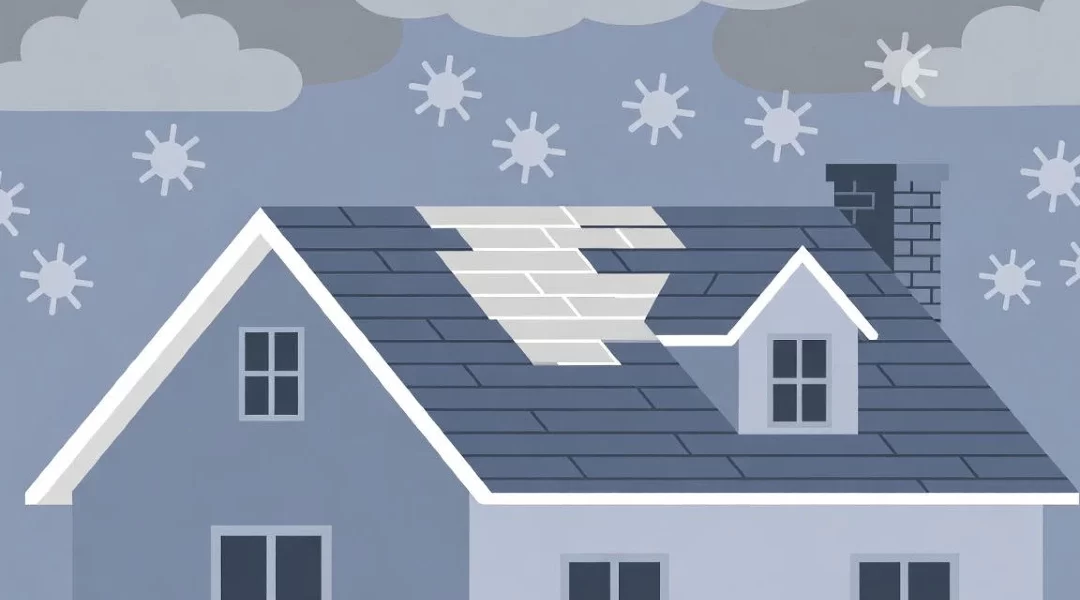
Replacing a roof can be a significant expense for homeowners. However, there are ways to approach this project that can help you save money without compromising quality. In this article, we will explore the cheapest ways to replace a roof, breaking down the process into manageable steps and providing practical tips to guide you along the way.
Table of Contents
- Understanding Roof Replacement
- Step-by-Step Guide to Roof Replacement
- Practical Homeowner Tips
- Common Mistakes to Avoid
- Safety Notes and Contractor Guidance
- Summary
- Frequently Asked Questions
Understanding Roof Replacement
Before diving into the cheapest ways to replace a roof, it’s essential to understand what the process entails. Roof replacement involves removing the old roofing material and installing new materials. This can include shingles, tiles, or metal sheets, depending on your choice and budget.
Step-by-Step Guide to Roof Replacement
1. Assess Your Current Roof
Start by inspecting your roof. Look for signs of damage such as missing shingles, leaks, or sagging. If the damage is extensive, a full replacement may be necessary. If it’s minor, repairs might suffice, saving you money.
2. Get Multiple Quotes
Contact several roofing contractors to get quotes. This will give you a better idea of the average cost in your area. Be sure to ask about the materials they recommend and the warranties they offer.
3. Choose Affordable Materials
When selecting roofing materials, consider options that are cost-effective yet durable. Asphalt shingles are often the cheapest roofing material and can last 15-30 years. Metal roofing is another option that, while initially more expensive, can save money in the long run due to its longevity and energy efficiency.
4. Plan for DIY Options
If you have some experience and are comfortable with tools, consider doing some of the work yourself. Removing old shingles or installing underlayment can reduce labor costs. However, be cautious and know your limits to avoid costly mistakes.
5. Schedule the Replacement Wisely
Timing can impact costs. Roofing contractors may offer lower prices during the off-season, typically late fall or winter. However, ensure the weather conditions are suitable for roofing work to avoid delays and further expenses.
Practical Homeowner Tips
- Research Local Codes: Check local building codes and regulations. Some areas have specific requirements for roofing materials and installation.
- Consider Energy Efficiency: Opt for materials that offer energy efficiency, like reflective shingles, which can lower your energy bills.
- Look for Tax Credits: Investigate if there are any tax credits or rebates available for energy-efficient roofing materials.
Common Mistakes to Avoid
- Ignoring Inspections: Skipping a professional inspection can lead to overlooking significant issues that could increase costs later.
- Choosing the Cheapest Option: While saving money is essential, opting for the lowest bid without considering quality can lead to more significant expenses down the line.
- Not Asking for References: Always ask for references and check reviews before hiring a contractor. This can help ensure you are working with a reputable professional.
Safety Notes and Contractor Guidance
Safety should always be your top priority. If you choose to do any work yourself, ensure you have the proper safety gear, including a helmet, gloves, and a harness if working on a steep roof.
When selecting a contractor, look for someone licensed and insured. This protects you in case of accidents or damages during the project. Ask for a detailed contract that outlines the scope of work, materials used, and payment schedule.
Summary
Replacing a roof doesnt have to break the bank. By assessing your current roof, gathering multiple quotes, choosing affordable materials, and considering DIY options, you can find the cheapest way to replace a roof. Remember to prioritize safety and quality to ensure a long-lasting roof over your head.
Frequently Asked Questions
- How much does it typically cost to replace a roof? The average cost can range from $5,000 to $10,000, depending on the size of the roof and materials used.
- Can I finance my roof replacement? Yes, many contractors offer financing options. Check with your contractor for available plans.
- How long does a roof replacement take? A full roof replacement usually takes 1-3 days, depending on the size and complexity of the job.
- What should I do if I find damage during inspection? If you notice significant damage, consult a professional for an assessment and recommendations on repairs or replacement.
- Is it worth it to invest in higher-quality materials? Yes, investing in quality materials can save you money in the long run due to fewer repairs and longer lifespan.
Feeling confident about your roof replacement journey is crucial. By following these steps and tips, you can make informed decisions that save you money while ensuring your home remains safe and secure.