
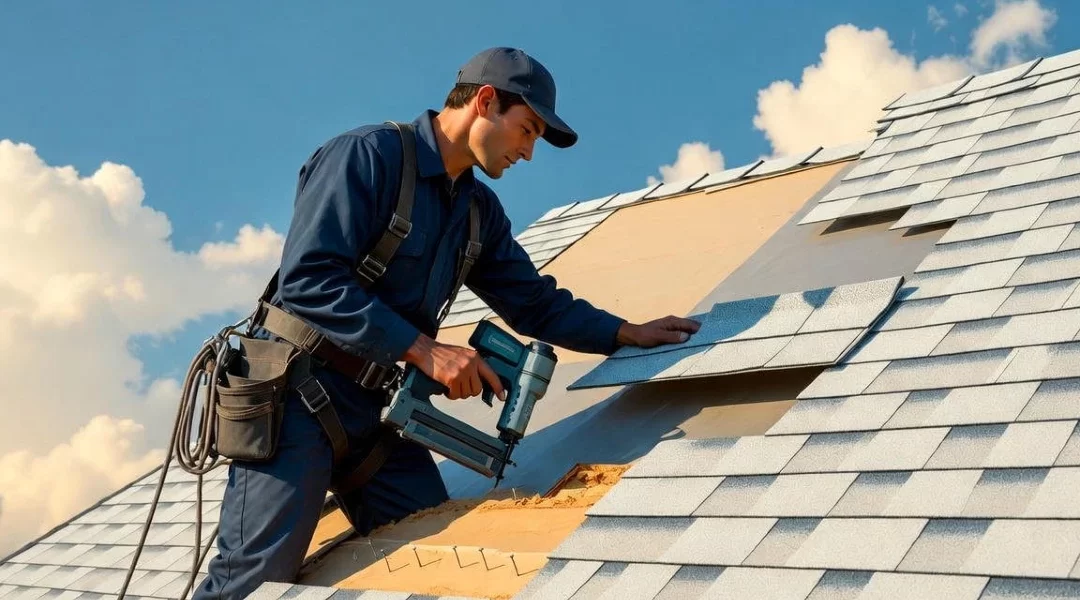
Dealing with roofing issues can be stressful, especially when it involves contractors. Whether youre facing delays, poor workmanship, or communication problems, knowing how to handle these situations is crucial. This guide will help you navigate common problems with your roofing contractor effectively and confidently.
Table of Contents
- Understanding Roofing Contractors
- Common Issues with Roofing Contractors
- Step-by-Step Guide to Resolve Issues
- Practical Homeowner Tips
- Common Mistakes to Avoid
- Safety Notes and Contractor Guidance
- Summary
- Frequently Asked Questions
Understanding Roofing Contractors
Roofing contractors are professionals who specialize in the installation, repair, and maintenance of roofs. They can work with various materials, including asphalt shingles, metal, and tiles. Understanding their role and responsibilities can help you manage your expectations and address any issues that arise.
Common Issues with Roofing Contractors
Homeowners often encounter several common problems with roofing contractors, including:
- Delays: Weather, supply chain issues, or scheduling conflicts can lead to project delays.
- Poor Workmanship: Subpar installation can lead to leaks and other long-term problems.
- Communication Gaps: Misunderstandings can arise if the contractor does not communicate effectively.
- Cost Overruns: Unexpected costs can occur if the contractor does not provide a clear estimate.
Step-by-Step Guide to Resolve Issues
If you find yourself facing problems with your roofing contractor, follow these steps to address the situation:
1. Document the Issue
Start by documenting the problem. Take photos of any poor workmanship, leaks, or other issues. Keep records of all communications with your contractor, including emails and texts.
2. Communicate Clearly
Reach out to your contractor to discuss your concerns. Be clear and specific about the issues you are experiencing. Use the documentation you gathered to support your claims.
3. Review Your Contract
Look over your contract to understand the agreed-upon terms. Pay attention to timelines, payment schedules, and warranties. This will help you know your rights and responsibilities.
4. Seek a Resolution
Ask your contractor how they plan to resolve the issue. A reputable contractor will be willing to fix problems. Set a timeline for when you expect the issue to be resolved.
5. Follow Up
If the contractor does not respond or resolve the issue, follow up with them. Sometimes, a gentle reminder can prompt action.
6. Consider Mediation
If direct communication fails, consider mediation. This involves a neutral third party who can help both you and the contractor reach an agreement.
7. File a Complaint
If all else fails, you may need to file a complaint with your local licensing board or consumer protection agency. Be prepared to provide your documentation and any correspondence.
Practical Homeowner Tips
Here are some practical tips to help you avoid and handle issues with roofing contractors:
- Research Contractors: Always check reviews and references before hiring a contractor. Look for local companies with a good reputation.
- Get Multiple Quotes: Obtain quotes from several contractors to compare prices and services. This will help you make an informed decision.
- Ask Questions: Dont hesitate to ask questions about the materials, timeline, and warranty. A good contractor will be happy to provide answers.
- Stay Involved: Keep in touch with your contractor throughout the project. Regular check-ins can help prevent misunderstandings.
Common Mistakes to Avoid
When dealing with roofing contractors, avoid these common mistakes:
- Ignoring the Contract: Always refer to your contract when disputes arise. It serves as your legal protection.
- Delaying Communication: Address issues as soon as they arise. Delaying can lead to bigger problems.
- Choosing Based on Price Alone: The cheapest option isnt always the best. Consider quality and reputation over cost.
Safety Notes and Contractor Guidance
Safety is paramount when dealing with roofing projects. Here are some important safety tips:
- Check for Insurance: Ensure your contractor has liability insurance and workers’ compensation. This protects you from potential liabilities.
- Verify Licensing: Confirm that your contractor is licensed to operate in your area. This ensures they meet local regulations and standards.
- Be Cautious with Payments: Avoid paying the full amount upfront. A reasonable deposit is usually sufficient, with the balance due upon completion.
Summary
Handling problems with your roofing contractor doesnt have to be overwhelming. By documenting issues, communicating clearly, and knowing your rights, you can effectively manage any challenges that arise. Remember to do your research and stay involved throughout the process to ensure a successful roofing project.
Frequently Asked Questions
- What should I do if my contractor is unresponsive? Try reaching out multiple times. If they still dont respond, consider mediation or filing a complaint.
- How can I ensure quality workmanship? Research contractors thoroughly, check references, and ask about warranties on their work.
- What if the contractor doesnt finish the job? Document the situation and communicate with them. If unresolved, consider legal action or filing a complaint.
- Are there any signs of poor workmanship? Yes, look for leaks, uneven shingles, or inadequate sealing around vents and chimneys.
- How can I avoid cost overruns? Get detailed quotes and ensure you understand what is included. Ask about potential extra costs upfront.
By following these guidelines, you can confidently address any issues with your roofing contractor. Remember, clear communication and thorough documentation are your best tools in ensuring a successful roofing project.