
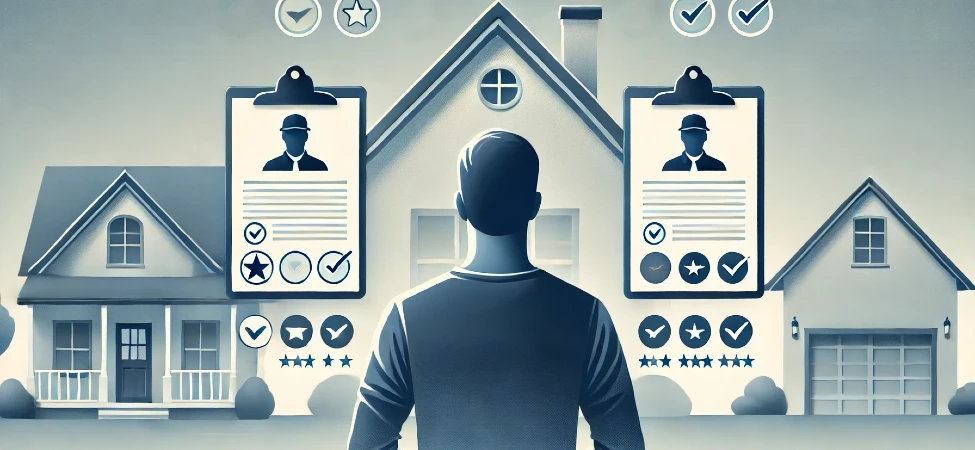
Choosing the right roofing contractor can feel overwhelming. With so many options available, its crucial to know how to compare roofing contractors effectively. This guide will help you understand what to look for, how to evaluate your options, and ensure you make an informed decision for your roofing needs.
Table of Contents
- Step-by-Step Breakdown of Comparing Roofing Contractors
- Practical Homeowner Tips
- Common Mistakes to Avoid
- Safety Notes and Contractor Guidance
- Summary
- Frequently Asked Questions
Step-by-Step Breakdown of Comparing Roofing Contractors
1. Research Local Contractors
Start by searching for roofing contractors in your area. Use online resources, such as Google, Yelp, or local directories, to find reputable companies. Look for contractors with good reviews and ratings.
2. Check Credentials
Ensure that the contractors you consider are licensed and insured. A valid license shows they are qualified to perform roofing work. Insurance protects you from liability in case of accidents during the job.
3. Request Multiple Quotes
Contact at least three contractors to request quotes. This will give you a better idea of the average cost for your roofing project. When requesting a quote, be clear about the specifics of the work you need, such as repairs or a full roof replacement.
4. Compare Materials and Services
Different contractors may offer various materials and services. Ask about the types of roofing materials they recommend, such as asphalt shingles, metal roofing, or tiles. Understand the pros and cons of each material to make an informed choice.
5. Evaluate Experience and References
Inquire about the contractor’s experience. How long have they been in business? Ask for references from previous clients. A reputable contractor should be happy to provide this information. Contact these references to ask about their experience with the contractor.
6. Review Contracts Carefully
Once you decide on a contractor, review the contract thoroughly. Ensure it includes all details about the work, materials, costs, and timelines. Dont hesitate to ask questions if anything is unclear.
Practical Homeowner Tips
- Trust Your Instincts: If something feels off during your interactions with a contractor, trust your gut. Communication is key, and you should feel comfortable asking questions.
- Be Wary of Low Bids: If a quote seems too good to be true, it probably is. Low bids may indicate poor quality materials or lack of experience.
- Understand Warranty Options: Ask about warranties for both materials and labor. A good warranty can save you money in the long run.
Common Mistakes to Avoid
- Not Doing Enough Research: Failing to research contractors can lead to poor choices. Take your time to gather information.
- Ignoring Reviews: Reviews provide valuable insights into a contractor’s reliability and quality of work. Dont overlook them.
- Skipping the Contract: Always get a written contract. Verbal agreements can lead to misunderstandings.
Safety Notes and Contractor Guidance
Safety is paramount when it comes to roofing work. Ensure that the contractor follows safety protocols, such as using harnesses and safety equipment. Ask about their safety training and practices.
Additionally, consider the materials used. Some roofing materials may have specific safety concerns, such as weight or fire resistance. Discuss these with your contractor to ensure you choose the best option for your home.
Summary
Comparing roofing contractors doesnt have to be daunting. By following these steps—researching, checking credentials, requesting quotes, and evaluating experience—you can make a confident decision. Remember to trust your instincts and prioritize safety throughout the process.
Frequently Asked Questions
1. How long does a roofing project usually take?
The duration of a roofing project can vary based on the size and complexity of the job. Generally, a roof replacement can take anywhere from a few days to a week.
2. What is the average cost of a new roof?
The cost of a new roof can range widely, typically between $5,000 and $15,000, depending on the materials used and the size of your home.
3. How often should I have my roof inspected?
Its a good idea to have your roof inspected at least once a year and after any major storms.
4. What should I do if I have a roofing emergency?
If you have a roofing emergency, such as a leak, contact a contractor immediately. They can provide temporary repairs until a more permanent solution can be implemented.
5. Can I negotiate the price with my contractor?
Yes, its often possible to negotiate the price, especially if you have multiple quotes. Just ensure that any changes are documented in the contract.
6. What materials are best for my climate?
Your choice of roofing material should depend on your local climate. For example, asphalt shingles are great for most climates, while metal roofing is excellent for areas with heavy snowfall.
By taking the time to compare roofing contractors carefully, you can ensure that your home is in good hands. Feel confident as you move forward with your roofing project!