
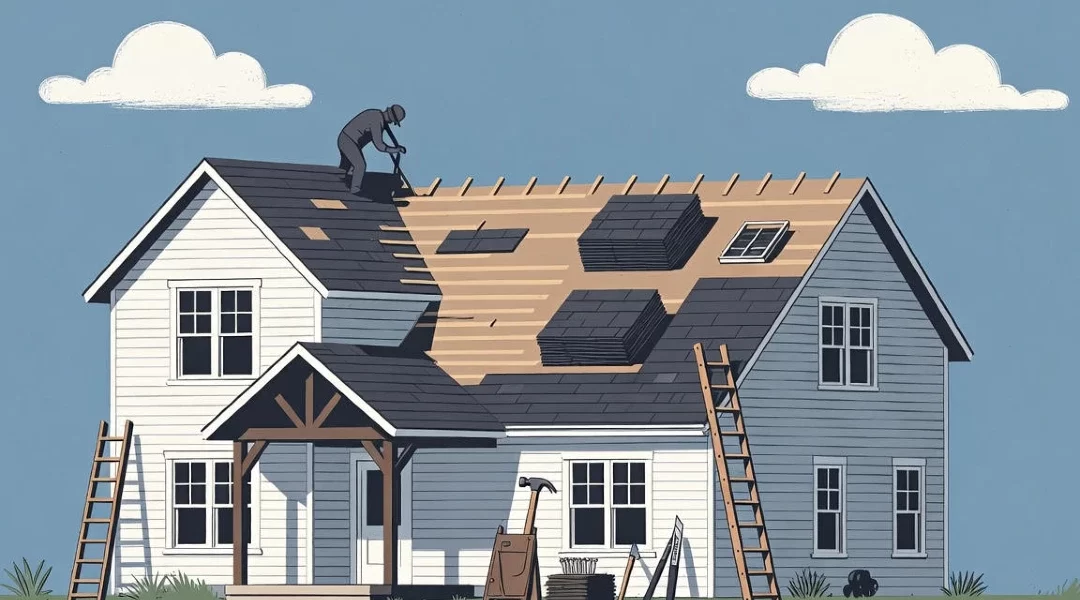
Choosing the right roof material is a crucial decision for any homeowner. The roof protects your home from the elements and contributes to its overall aesthetic. With various options available, understanding the differences can help you make an informed choice. This guide will walk you through the essential factors to consider when selecting roofing materials, ensuring you find the best fit for your home.
Table of Contents
- Understanding Roof Materials
- Step-by-Step Selection Process
- Practical Homeowner Tips
- Common Mistakes to Avoid
- Safety Notes and Contractor Guidance
- Summary
- Frequently Asked Questions
Understanding Roof Materials
Before diving into the selection process, its important to understand the types of roofing materials available. Here are some common options:
- Asphalt Shingles: The most popular roofing material in the U.S., known for affordability and ease of installation.
- Metal Roofing: Durable and long-lasting, metal roofs can withstand extreme weather and are energy-efficient.
- Wood Shingles and Shakes: These provide a natural look and good insulation but require maintenance to prevent rot.
- Tile Roofing: Clay or concrete tiles are highly durable and fire-resistant but can be heavy and expensive.
- Slate Roofing: A premium option known for its longevity and elegance, but it is also one of the most expensive materials.
Step-by-Step Selection Process
Choosing the right roof material involves several steps:
1. Assess Your Climate
Consider the weather conditions in your area. For example, if you live in a region with heavy snowfall, a metal roof may be ideal due to its ability to shed snow easily. In warmer climates, materials like tile or metal can reflect heat and keep your home cooler.
2. Evaluate Your Budget
Determine how much you are willing to spend. Asphalt shingles are typically the most affordable option, while slate and tile can be significantly more expensive. Remember to factor in installation costs as well.
3. Consider Your Homes Style
The roof should complement your homes architecture. For example, a modern home may look great with a sleek metal roof, while a traditional home might be better suited for wood or tile.
4. Research Longevity and Maintenance
Different materials have varying lifespans and maintenance needs. Asphalt shingles last about 20-30 years, while metal roofs can last 50 years or more. Consider how much time and money you are willing to invest in maintenance.
5. Get Quotes from Contractors
Once youve narrowed down your options, contact local roofing contractors for estimates. Make sure to ask about warranties and the materials they recommend based on your specific situation.
Practical Homeowner Tips
Here are some additional tips to help you in your roofing material selection:
- Check Local Building Codes: Ensure the materials you choose comply with local regulations.
- Consider Energy Efficiency: Look for materials that have energy-efficient ratings to help reduce utility bills.
- Look for Recyclable Options: If sustainability is important to you, consider materials that are recyclable at the end of their lifespan.
Common Mistakes to Avoid
When selecting roofing materials, homeowners often make these mistakes:
- Ignoring Local Climate: Choosing a material that doesnt suit your climate can lead to premature wear and costly repairs.
- Focusing Only on Cost: While budget is important, prioritize quality and longevity to avoid future expenses.
- Neglecting Aesthetics: Dont overlook how the roof will look with your homes exterior. A mismatched roof can detract from your homes curb appeal.
Safety Notes and Contractor Guidance
Safety is paramount when dealing with roofing projects. Here are some safety tips and contractor selection advice:
- Hire Licensed Professionals: Ensure your contractor is licensed and insured to protect yourself from liability.
- Check References: Ask for references and read reviews to gauge the contractors reliability and quality of work.
- Get Everything in Writing: Ensure all agreements, including costs and timelines, are documented in a contract.
Summary
Choosing the right roof material is a significant decision that impacts your homes safety, efficiency, and appearance. By considering your climate, budget, and style preferences, you can select a material that meets your needs. Always consult with professionals to ensure you make the best choice for your home.
Frequently Asked Questions
- What is the most affordable roofing material? Asphalt shingles are typically the most cost-effective option for homeowners.
- How long does a metal roof last? Metal roofs can last 50 years or more with proper maintenance.
- Can I install a new roof over my old one? In some cases, yes, but its best to consult with a contractor to assess the condition of your existing roof.
- What is the best roofing material for high winds? Metal roofing is often recommended for areas prone to high winds due to its durability.
- How do I know when my roof needs to be replaced? Signs include leaks, missing shingles, and visible wear and tear. Regular inspections can help identify issues early.
By following these guidelines, homeowners can feel confident in their roofing material choices. Take your time, do your research, and consult with professionals to ensure your roof serves you well for years to come.