
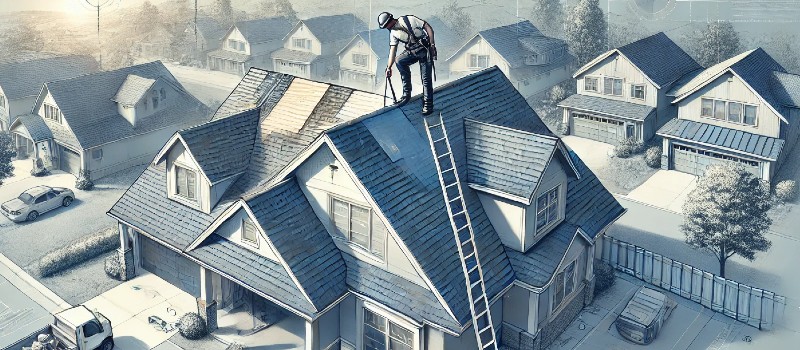
When it comes to roofing, the costs can quickly add up, leaving homeowners feeling overwhelmed. Whether you’re repairing or replacing your roof, understanding the process can help you avoid overpaying. This guide will walk you through essential steps to ensure you get the best value for your roofing project.
Table of Contents
- Understanding Roofing Costs
- Step-by-Step Roofing Process
- Practical Homeowner Tips
- Common Mistakes to Avoid
- Safety Notes and Contractor Guidance
- Summary
- Frequently Asked Questions
Understanding Roofing Costs
Roofing costs can vary widely based on several factors, including materials, labor, and the complexity of the job. Here are some key elements to consider:
- Material Choices: Common roofing materials include asphalt shingles, metal, tile, and slate. Each has different costs and lifespans. For example, asphalt shingles are typically the most affordable, while slate is one of the most expensive.
- Labor Costs: Labor can account for a significant portion of your roofing expenses. Rates can vary by region and contractor experience.
- Roof Size and Pitch: The larger and steeper your roof, the more materials and labor will be required, increasing costs.
- Removal of Old Roofing: If your old roof needs to be removed, this will add to the overall cost.
Step-by-Step Roofing Process
Understanding the roofing process can help you avoid unexpected costs. Heres a simple breakdown:
1. Initial Inspection
Start with a thorough inspection of your roof. Look for missing shingles, leaks, or signs of wear. If you’re unsure, hire a professional to assess the condition.
2. Get Multiple Quotes
Contact at least three roofing contractors for quotes. Ensure each quote includes:
- Detailed breakdown of materials and labor costs.
- Estimated timeline for the project.
- Warranty information on both materials and workmanship.
3. Compare Quotes
When comparing quotes, look beyond the total price. Consider the quality of materials and the reputation of the contractor. The cheapest option may not always be the best.
4. Make Your Decision
Choose a contractor based on their experience, reviews, and the quality of materials they use, not just the price. A well-done roof can save you money in the long run.
Practical Homeowner Tips
Here are some actionable tips to help you save money on your roofing project:
- Research Materials: Understand the pros and cons of different roofing materials. For instance, while metal roofs are more expensive initially, they can last longer and require less maintenance.
- Plan for Off-Season Work: Roofing companies may offer lower rates during the off-season (late fall or winter) when demand is lower.
- Negotiate: Dont hesitate to negotiate the price with your contractor. They may be willing to offer discounts or additional services.
- Ask About Financing Options: Some contractors provide financing options that can help spread out the cost over time.
Common Mistakes to Avoid
Avoid these common pitfalls to ensure you dont overpay for your roof:
- Ignoring Small Repairs: Small issues can lead to bigger problems. Address them promptly to avoid costly repairs later.
- Choosing the Cheapest Contractor: Low bids can be tempting, but they may indicate lower quality work or materials.
- Overlooking Warranties: Always ask about warranties for both materials and labor. A good warranty can save you money in the long run.
Safety Notes and Contractor Guidance
Safety is crucial during roofing projects. Here are some tips:
- Check for Licensing and Insurance: Ensure your contractor is licensed and insured to protect yourself from liability.
- Verify References: Ask for references and check online reviews to gauge the contractors reliability and quality of work.
- Discuss Safety Protocols: A reputable contractor will have safety measures in place to protect their workers and your property.
Summary
By understanding roofing costs, following a clear process, and avoiding common mistakes, you can save money on your roofing project. Take the time to research and choose wisely, and youll feel more confident in your investment.
Frequently Asked Questions
- What is the average cost to replace a roof? The average cost can range from $5,000 to $15,000, depending on materials and roof size.
- How long does a roof typically last? The lifespan of a roof varies by material; asphalt shingles last about 20-30 years, while metal roofs can last 40 years or more.
- Can I install a new roof over an old one? In some cases, yes, but its essential to check local building codes and the condition of the existing roof.
- What should I look for in a roofing contractor? Look for experience, proper licensing, insurance, and positive customer reviews.
- How can I maintain my roof? Regular inspections, cleaning gutters, and addressing repairs promptly can extend the life of your roof.
Feeling confident about your roofing decisions is essential. By following these guidelines, you can ensure you avoid overpaying and make informed choices for your home.