
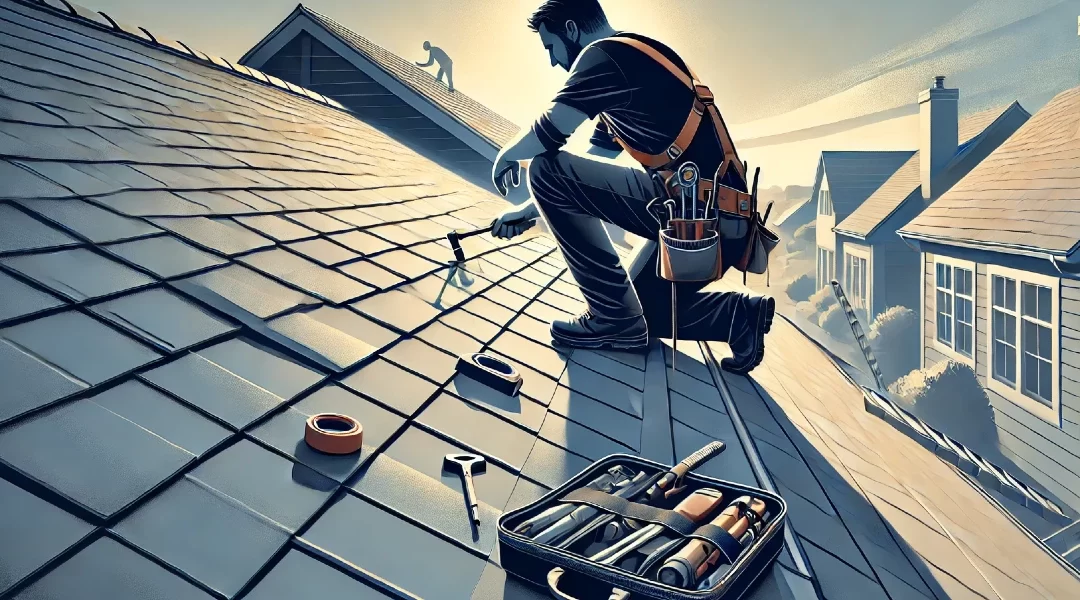
Choosing the right roofing material is crucial for homeowners. Two popular options are asphalt shingles and metal roofs. Each has its own advantages, lifespan, and costs. This article will help you understand the differences between these materials, so you can make an informed decision for your home.
Table of Contents
- 1. Asphalt Shingles
- 2. Metal Roofs
- 3. Cost Comparison
- 4. Practical Homeowner Tips
- 5. Common Mistakes to Avoid
- 6. Safety Notes and Contractor Guidance
- 7. Summary
- 8. Frequently Asked Questions
1. Asphalt Shingles
Asphalt shingles are one of the most common roofing materials in the United States. They are made from a fiberglass mat coated with asphalt and granules. This material is popular for its affordability and ease of installation.
Lifespan
The average lifespan of asphalt shingles is about 15 to 30 years, depending on the quality and maintenance. Higher-quality shingles can last longer, while cheaper options may need replacement sooner.
Cost
Asphalt shingles typically cost between $90 and $100 per square (a square equals 100 square feet). Installation costs can add another $100 to $150 per square, depending on your location and the complexity of the roof.
2. Metal Roofs
Metal roofs are becoming increasingly popular due to their durability and energy efficiency. They can be made from various metals, including steel, aluminum, and copper. Metal roofs come in panels or shingles and can mimic the look of other materials.
Lifespan
Metal roofs can last 40 to 70 years or more with proper maintenance. They are resistant to extreme weather conditions, making them a long-term investment.
Cost
The cost of metal roofing varies widely, ranging from $100 to $900 per square, depending on the type of metal and style chosen. Installation costs can also be higher, typically between $300 and $500 per square.
3. Cost Comparison
When comparing asphalt shingles to metal roofs, consider both initial costs and long-term value. While asphalt shingles are cheaper upfront, metal roofs offer a longer lifespan, which can save you money in the long run.
- Initial Cost: Asphalt shingles are less expensive to install.
- Long-Term Cost: Metal roofs may have a higher initial cost but can save you money over time due to their longevity and lower maintenance needs.
- Insurance Savings: Some insurance companies offer discounts for metal roofs due to their durability.
4. Practical Homeowner Tips
Here are some tips to help you make the best decision for your roofing needs:
- Research Local Climate: Consider your local weather conditions. Metal roofs perform better in extreme weather.
- Get Multiple Quotes: Always obtain quotes from several contractors to compare costs and services.
- Check for Warranties: Look for warranties that cover both materials and workmanship.
- Inspect Your Roof Regularly: Regular inspections can help you catch issues early, regardless of the roofing material.
5. Common Mistakes to Avoid
When choosing a roofing material, avoid these common mistakes:
- Ignoring Local Building Codes: Ensure your roofing choice complies with local regulations.
- Choosing Based on Price Alone: Consider the lifespan and maintenance costs in addition to the initial price.
- Not Hiring a Qualified Contractor: Always hire experienced professionals for installation to avoid future problems.
6. Safety Notes and Contractor Guidance
Safety should always be a priority when dealing with roofing. Here are some safety tips and contractor guidance:
- Choose a Licensed Contractor: Verify that your contractor is licensed and insured to protect yourself from liability.
- Ask About Safety Practices: Ensure your contractor follows safety protocols to prevent accidents during installation.
- Inspect Your Roof After Installation: Check for any visible issues or debris left behind after the job is completed.
7. Summary
In summary, both asphalt shingles and metal roofs have their pros and cons. Asphalt shingles are more affordable upfront but have a shorter lifespan. Metal roofs cost more initially but offer durability and long-term savings. Consider your budget, local climate, and personal preferences when making your decision.
8. Frequently Asked Questions
- How do I know when to replace my roof? Look for signs like missing shingles, leaks, or significant wear. A professional inspection can provide clarity.
- Can I install a metal roof over asphalt shingles? Yes, in many cases, you can install a metal roof over existing asphalt shingles, but check local building codes.
- What maintenance do I need for metal roofs? Regularly check for debris, clean gutters, and inspect for rust or damage.
- Are metal roofs noisy during rain? While they can be noisier than asphalt shingles, proper insulation can minimize sound.
- What is the best roofing material for my area? Consider local weather conditions and consult with a roofing professional for tailored advice.
Choosing the right roofing material is essential for the safety and longevity of your home. With the right information, you can feel confident in your decision. Whether you opt for asphalt shingles or a metal roof, ensure you take the necessary steps for installation and maintenance. Your roof is an investment in your homes future.