
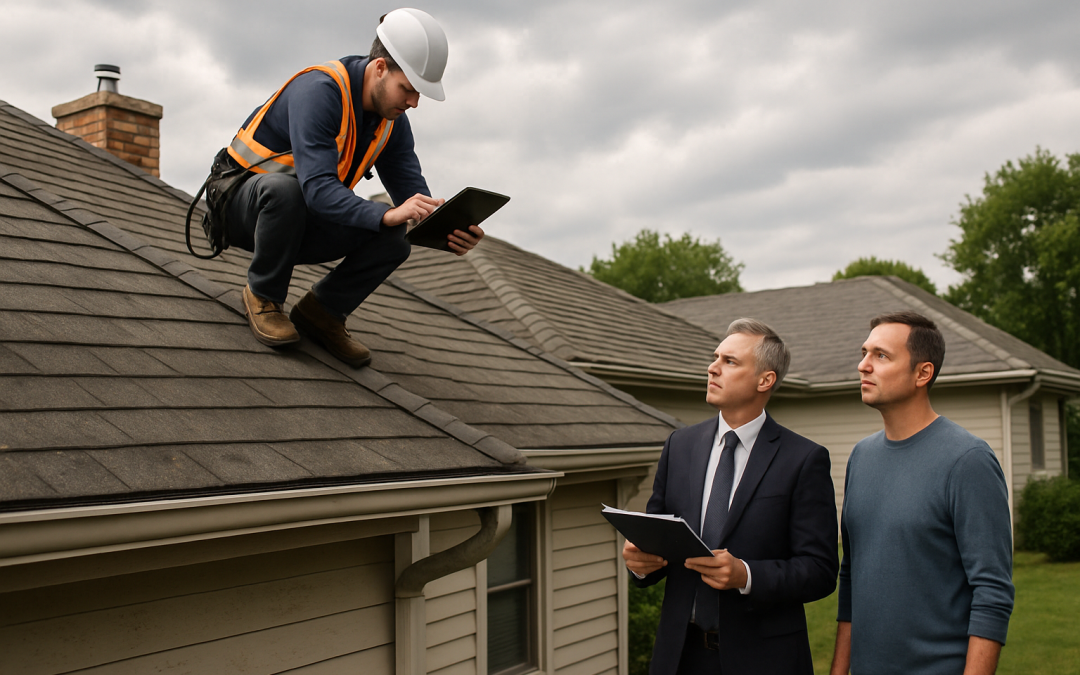
Insurance roof inspections are detailed checkups your insurer or a roofing contractor performs to see what caused roof damage, how bad it is, and whether it should be repaired or replaced. Inspectors look for storm damage, leaks, missing shingles, soft spots, and signs of age or neglect, then compare what they find to your policy coverage. Their report can lead to anything from a small repair (often $150–$1,000) to a full replacement ($5,000–$15,000+), or in some cases, a denied claim. Results depend on the cause of damage, roof age, and your policy terms, so even serious damage is not guaranteed to be covered.
When your roof is damaged or leaking, an insurance roof inspection often decides whether your insurance company will help pay for repairs or replacement. This guide is for homeowners who are worried about storm damage, aging roofs, or active leaks and need to understand what to expect. You’ll learn what inspectors look for, how it affects coverage, what common findings mean, and how to decide whether to repair, replace, file a claim, or call a roofing contractor.
Table of Contents
- What Is an Insurance Roof Inspection?
- What Inspectors Look For During an Insurance Roof Inspection
- Common Causes of Roof Damage Insurance Inspectors See
- What Homeowners Should Check First (Safe Visual Checks Only)
- Signs the Roof Problem Is Serious
- How Insurance Uses the Roof Inspection Report
- Insurance Coverage Basics: When Roof Damage Is Usually Covered
- Cost Expectations: Repair vs Replacement
- Repair vs Replace: How to Decide After an Inspection
- Timeline and Urgency: How Fast You Need to Act
- Common Homeowner Mistakes with Insurance Roof Inspections
- Frequently Asked Questions
- Summary and Next Steps
What Is an Insurance Roof Inspection?
An insurance roof inspection is a formal evaluation of your roof’s condition, usually triggered by:
- A storm or hail event
- A new insurance policy or renewal
- A claim you filed for roof damage or leaks
- Visible issues like missing shingles or water stains inside
The inspection may be done by:
- An insurance adjuster employed or hired by your insurance company
- A licensed roofing contractor (sometimes recommended or required)
- Both, in more complex or disputed situations
The goal is to answer three questions:
- What is the condition of the roof right now?
- What caused the damage (storm, age, poor maintenance, installation issues)?
- What work is needed: minor repair, major repair, or full replacement?
What Inspectors Look For During an Insurance Roof Inspection
Exterior roof surface
Inspectors focus heavily on the outer surface because that’s where most storm and wear damage shows up. They look for:
- Missing, cracked, or curled shingles
- Hail hits (small bruises, dents, or crushed granules)
- Wind damage (shingles lifted, creased, or torn off)
- Granule loss (bald spots where the shingle surface is worn away)
- Damaged tiles, metal panels, or seams (for non-shingle roofs)
Roof structure and soft spots
Beyond surface damage, they check the structure for safety and hidden problems:
- Soft or spongy areas that suggest rot or long-term leaks
- Sagging sections of the roof deck
- Loose or exposed nails and fasteners
- Damaged or rotted decking under the shingles
Flashing, vents, and roof penetrations
Many leaks start around areas where the roof is cut or penetrated. Inspectors pay close attention to:
- Flashing around chimneys, skylights, and walls
- Plumbing vent boots and seals
- Roof vents, attic fans, and satellite dish mounts
- Sealant that is cracked, dried out, or missing
Gutters, downspouts, and edges
Edges and drainage areas show how water and debris move off your roof:
- Clogged or damaged gutters and downspouts
- Granules collecting in gutters (sign of shingle wear)
- Drip edge condition (metal at the roof edge)
- Water staining or rot at fascia boards and eaves
Interior signs: attic and ceilings
When safe and accessible, inspectors may also check inside:
- Attic for moisture, mold, or wet insulation
- Roof deck from underneath for staining or rot
- Ceilings and walls for water stains or bubbling paint
These interior clues help confirm whether outside damage has already turned into active leaks.
Common Causes of Roof Damage Insurance Inspectors See
Storm and hail damage
Storms are one of the most common reasons for insurance roof inspections. Inspectors look for:
- Hail impacts on shingles, metal, or tiles
- Wind-lifted or missing shingles
- Debris impacts from branches or blown objects
- Damage to flashing, vents, and gutters from flying debris
Age and normal wear
As roofs age, materials dry out, crack, and lose protective granules. Inspectors may note:
- General wear and tear not tied to a specific storm
- Shingles that are brittle, curled, or heavily worn
- Old sealants and flashing that have failed over time
Age-related wear is a major reason some claims are limited or denied. For more detail on how age affects coverage, see the guide on how old a roof can be before insurance says it’s too old.
Poor installation or previous repairs
Inspectors also look for signs that the roof was not installed or repaired correctly:
- Improper nailing patterns or exposed nails
- Flashing installed incorrectly or missing entirely
- Patchwork repairs that don’t match or seal properly
These issues can lead to leaks and may affect how much insurance is willing to pay.
Lack of maintenance
Insurance companies expect basic maintenance. Inspectors may note:
- Long-term moss or algae growth
- Debris left on the roof or in valleys
- Gutters never cleaned, causing water backup
- Small issues (like cracked boots) ignored for years
Damage that clearly comes from neglect is less likely to be covered.
What Homeowners Should Check First (Safe Visual Checks Only)
Without climbing on the roof, you can safely look for signs that an insurance roof inspection is needed.
From the ground
- Missing or visibly damaged shingles or tiles
- Pieces of shingles or roofing material in the yard
- Loose or hanging gutters
- Obvious sagging areas on the roof line
Inside your home
- New water stains on ceilings or upper walls
- Peeling paint or bubbling drywall
- Musty smells in upper rooms or attic access areas
In the attic (if safe and easy to access)
- Visible daylight through the roof boards
- Damp insulation or wood
- Dark stains or mold on the underside of the roof deck
If you see any of these signs, especially after a storm, it’s reasonable to contact a roofing contractor or your insurance company to ask about an inspection.
Signs the Roof Problem Is Serious
Some roof issues can wait a bit; others need fast attention. Serious warning signs include:
- Active dripping or water running down walls
- Large or rapidly growing ceiling stains
- Multiple missing shingles or a large bare area
- Noticeable sagging in the roof or ceiling
- Strong musty or moldy smells in the attic or top floor
These signs suggest structural damage or ongoing leaks that can quickly get worse. In these cases, you should:
- Protect belongings under the leak with buckets and plastic sheeting
- Call a roofing contractor as soon as possible
- Contact your insurance company if a storm or sudden event caused the damage
How Insurance Uses the Roof Inspection Report
Determining cause of damage
The most important question for insurance is: what caused the damage? The inspection helps decide whether it was:
- A covered event (hail, wind, falling tree, sudden impact)
- Wear and tear or age
- Poor installation or lack of maintenance
Only damage tied to a covered event is usually eligible for payment under a standard homeowners policy.
Measuring extent of damage
Inspectors document how widespread the damage is:
- Is it limited to one small area or spread across the roof?
- Are there multiple slopes or sides affected?
- Has water already entered the home and caused interior damage?
This helps the insurer decide whether a patch repair is enough or if a full replacement is more appropriate.
Recommending repair vs replacement
Based on what they find, the inspector or adjuster may recommend:
- Minor repairs (replace a few shingles, reseal flashing)
- Moderate repairs (repair a section, replace damaged decking)
- Full roof replacement (when damage is widespread or the roof is near the end of its life)
The final decision on what is paid for will depend on your policy, roof age, and any limits or exclusions. For a deeper look at how these decisions are made, see the detailed guide on how roof insurance claims and payouts actually work.
Insurance Coverage Basics: When Roof Damage Is Usually Covered
Damage that is often covered
Most standard homeowners policies cover “sudden and accidental” damage, such as:
- Hail damage to shingles, tiles, or metal panels
- Wind tearing off shingles or blowing debris into the roof
- A tree or large branch falling on the roof
- Damage from ice dams in some policies (varies by insurer)
Damage that is often not covered
Insurance usually does not cover:
- Normal wear and tear or old age
- Long-term leaks that were never addressed
- Damage from lack of maintenance (clogged gutters, moss left for years)
- Installation defects or poor workmanship
For more examples of what is typically excluded, see the guide on what roof damage insurance won’t cover.
How roof age affects coverage
Many insurers reduce coverage or switch to “actual cash value” (depreciated value) once a roof reaches a certain age, often 15–20 years for asphalt shingles. In some cases, very old roofs may not be covered for certain types of damage at all. This is why inspectors always note the approximate age and condition of your roof.
Partial damage and matching issues
Sometimes only part of a roof is damaged. Whether insurance pays for a partial repair or a full replacement can depend on:
- How well new materials can match the old ones
- Local building codes and matching laws
- Your policy language about “line of sight” or “matching”
For more on this specific issue, see the article on whether insurance covers partial roof repairs.
Cost Expectations: Repair vs Replacement
After an insurance roof inspection, you’ll likely receive estimates for repair or replacement. Typical cost ranges are:
- Minor roof repair: $150–$1,000 (a few shingles, small flashing fix, minor leak repair)
- Moderate repair: $1,000–$3,000 (larger area of shingles, some decking repair, multiple leak points)
- Major repair: $3,000–$7,000+ (significant section of roof, structural repairs, complex flashing work)
- Full roof replacement: $5,000–$15,000+ (higher for large homes, steep roofs, or premium materials)
What affects roof repair and replacement cost
- Roof size: Larger roofs cost more in materials and labor.
- Roof pitch (steepness): Steeper roofs are harder and slower to work on.
- Material type: Asphalt shingles are usually cheapest; metal, tile, and specialty shingles cost more.
- Local labor rates: Costs vary by region and demand (post-storm areas often see higher prices).
- Underlying damage: Rotted decking, structural issues, or complex flashing add cost.
When costs increase significantly
Expect higher costs when:
- There is extensive water damage to the roof deck or framing
- Your roof has multiple layers of old shingles that must be removed
- Access is difficult (very steep, tall, or complex roof shapes)
- You choose upgraded materials or impact-resistant shingles
When repair is no longer worth it
Repair may not be the best choice when:
- The roof is near or past its typical lifespan
- Damage is spread across multiple areas or slopes
- Repairs would cost close to half or more of a full replacement
In these cases, a full replacement often provides better long-term value and fewer future problems. To understand how long different roofs usually last, see the guide on roof lifespan and when to replace.
Repair vs Replace: How to Decide After an Inspection
When a repair is usually enough
Repair is often reasonable when:
- Damage is limited to a small, clearly defined area
- The rest of the roof is in good condition and not near end-of-life
- The leak source is obvious (like a single cracked boot or piece of flashing)
- The cost is relatively low compared to replacement
When replacement makes more sense
Replacement is usually the better choice when:
- The roof is old and showing widespread wear
- There are multiple leaks or recurring problems
- Storm damage is spread across large areas or multiple slopes
- Repairs would be frequent and add up over the next few years
How insurance influences the decision
If insurance agrees to pay for a full replacement (minus your deductible), it often makes sense to replace rather than patch. If insurance only covers a small repair or denies the claim, you’ll need to weigh:
- Out-of-pocket cost now vs. likely future repairs
- How long you plan to stay in the home
- Whether a new roof could improve resale value or lower premiums
Getting multiple quotes
After an inspection, it’s wise to get at least two or three detailed quotes from reputable roofing contractors. Make sure each quote clearly lists:
- Scope of work (repair area or full replacement)
- Materials and warranties
- Labor, disposal, and any code upgrades
For help understanding estimates, see the guide on what a roof repair estimate should include and how to avoid overpaying.
Timeline and Urgency: How Fast You Need to Act
Right after a storm
If a major storm just hit your area:
- Do a quick ground-level check for obvious damage or leaks.
- Call a roofing contractor promptly if you see problems.
- Contact your insurance company to report potential damage and ask about next steps.
Active leaks
Active leaks should be treated as urgent:
- Try to contain water inside with buckets and coverings.
- Call a roofer as soon as possible for temporary or permanent repairs.
- Document the damage with photos before cleanup if you may file a claim.
Non-urgent wear and aging
If your inspection shows general wear but no active leaks:
- Plan for repair or replacement within months, not years.
- Use the time to gather multiple quotes and choose materials.
- Budget for the work so you’re not caught off guard later.
Common Homeowner Mistakes with Insurance Roof Inspections
Waiting too long to report damage
Many policies require you to report damage within a certain time after it occurs. Waiting months or years can give the insurer a reason to deny the claim, especially if more damage happens in the meantime.
Trying to fix everything before the inspection
Temporary measures to stop active leaks are fine, but fully repairing or replacing the roof before the insurance adjuster sees it can make it harder to prove the original damage. Always take photos and keep receipts for any emergency work.
Not documenting the damage
Simple photos and notes go a long way:
- Take clear pictures of visible roof damage from the ground.
- Photograph interior leaks and ceiling stains.
- Note the date of the storm or event that caused the damage.
Assuming all roof leaks are covered
Many homeowners are surprised to learn that leaks from old or poorly maintained roofs are often not covered. If your roof is older or has known issues, read your policy carefully and review resources like the guide on whether insurance covers leaks from old roofs.
Relying only on the insurance adjuster’s opinion
Insurance adjusters work for the insurance company, not for you. It’s often wise to have an independent roofing contractor inspect the roof as well, especially if you disagree with the adjuster’s findings or the claim is denied.
Frequently Asked Questions
How long does an insurance roof inspection take?
Most insurance roof inspections take between 30 minutes and 2 hours, depending on the size and complexity of your roof and whether the attic and interior are inspected. Larger homes, steep roofs, or complicated damage can take longer.
Do I have to be home for the roof inspection?
It’s usually best to be home or have someone you trust there during the inspection. The inspector may need access to the attic or interior, and you’ll be able to ask questions and understand their findings in real time.
Will my insurance premium go up if I file a roof claim?
Filing a claim can sometimes affect your premiums, especially if you have multiple claims in a short period. However, if the damage is significant and clearly caused by a covered event, the benefit of getting help with repair or replacement often outweighs the potential premium increase.
What if the insurance adjuster says there’s no damage but my roofer disagrees?
If your roofer finds damage that the adjuster missed or disagreed with, you can request a reinspection or a second opinion from the insurance company. Provide your roofer’s written report and photos to support your case.
Should I get a roof inspection even if I’m not filing a claim?
Yes, a professional roof inspection every few years can catch small issues before they become major leaks or structural problems. It’s especially smart after big storms or when your roof is approaching the end of its typical lifespan.
Can I choose my own contractor for insurance roof repairs?
In most cases, you can choose your own licensed contractor, even if the insurance company suggests preferred vendors. Make sure your contractor understands insurance work and is willing to coordinate with the adjuster and your policy requirements.
Summary and Next Steps
An insurance roof inspection is a key step in figuring out what’s wrong with your roof, what caused it, and whether your homeowners insurance will help pay for repairs or replacement. Inspectors look for storm damage, age-related wear, leaks, and structural issues, then compare their findings to your policy.
If you see signs of damage or leaks, especially after a storm, your next steps should be to document what you see, contact a reputable roofing contractor for an inspection, and talk with your insurance company about a possible claim. Getting clear, written estimates and understanding your coverage will help you decide whether to repair, replace, or file a claim—and how quickly you need to act.
To protect your home and avoid bigger problems later, schedule a professional roof inspection as soon as you suspect damage. Compare quotes from experienced, insured roofing contractors, and don’t delay if you have active leaks or serious storm damage—fast action can save you money and stress in the long run.