
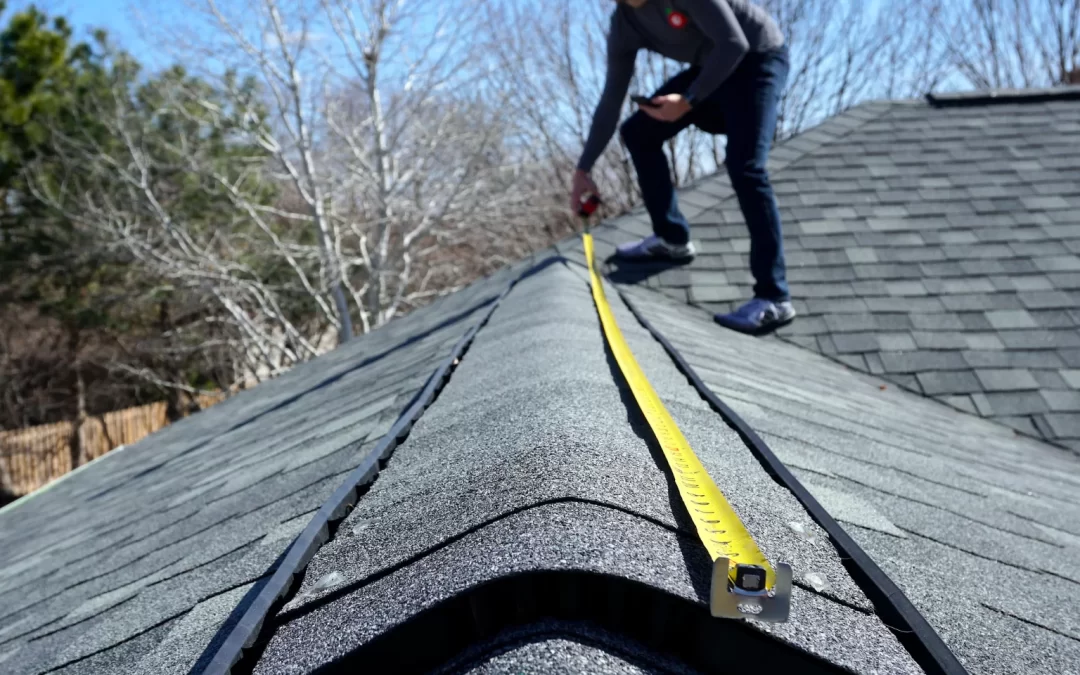
Most residential roofs last 15–30 years, but the exact lifespan depends on the material, climate, and how well the roof was installed and maintained. Asphalt shingle roofs typically last 15–25 years, metal 40–70 years, tile 40–50+ years, and slate 50–100+ years. Once a roof nears the end of its expected lifespan or shows serious warning signs like leaks, sagging, or missing shingles, replacement is usually more cost‑effective than repeated repairs. Every roof is different, so a professional inspection is the only way to know for sure how much life your roof has left.
If you’re seeing leaks, shingle damage, or your roof is simply getting old, it can be hard to know whether to repair, replace, or call your insurance company. This guide is written for homeowners who want clear, non-technical answers about roof lifespan, warning signs of failure, and what to do next. You’ll learn how long different roofing materials typically last, how to spot serious problems, what repairs and replacements cost, and when it’s time to bring in a roofing contractor or file a claim.
Table of Contents
- How Long Does a Roof Last by Material?
- Key Factors That Affect Roof Lifespan
- Warning Signs Your Roof Is Failing
- What to Check First (Safe, From the Ground)
- Roof Repair vs. Replacement: How to Decide
- Roof Repair and Replacement Cost Expectations
- Roof Lifespan, Insurance, and Claims
- Timeline: How Fast You Need to Act
- Common Mistakes Homeowners Make With Aging Roofs
- Frequently Asked Questions
- Summary: What to Do If Your Roof Is Near the End of Its Life
How Long Does a Roof Last by Material?
Every roofing material has a typical lifespan range. These are averages, not guarantees, but they give you a realistic starting point.
Average Roof Lifespan by Material
- 3-tab asphalt shingles: 15–20 years
- Architectural (dimensional) asphalt shingles: 20–30 years
- Luxury asphalt shingles: 25–35 years
- Metal roofing (steel, aluminum): 40–70 years
- Standing seam metal: 50–70+ years
- Clay or concrete tile: 40–50+ years (tiles can last longer than the underlayment)
- Wood shake or shingle: 20–30 years (shorter in wet or wildfire-prone areas)
- Slate: 50–100+ years
- Flat/low-slope roofs (modified bitumen, TPO, EPDM): 15–30 years
These ranges assume proper installation and normal weather. Severe storms, poor ventilation, or low-quality materials can shorten these lifespans significantly.
How to Estimate Your Roof’s Remaining Life
To get a rough idea of how much life your roof has left, consider:
- Age of the roof: Compare the roof’s age to the ranges above.
- Visible condition: Curling, cracking, missing shingles, or exposed nails suggest aging.
- Leak history: Repeated leaks usually mean the roof is near the end of its life.
- Local climate: Harsh sun, heavy snow, hail, or high winds shorten roof life.
A 22-year-old 3-tab asphalt roof with curling shingles and past leaks is usually a replacement candidate, even if it’s not leaking today.
Key Factors That Affect Roof Lifespan
1. Quality of Installation
Even the best materials will fail early if installed poorly. Common installation issues include:
- Improper nailing (too few nails, overdriven, or misplaced)
- Incorrect flashing around chimneys, walls, and valleys
- Insufficient underlayment or skipped ice-and-water shield in cold climates
These problems often show up as leaks within the first few years, especially after storms.
2. Ventilation and Attic Conditions
Good attic ventilation helps your roof last longer by:
- Releasing heat that can “cook” shingles from below
- Reducing moisture that can cause rot, mold, and warped decking
Signs of poor ventilation include very hot attics, moldy insulation, or ice dams in winter.
3. Climate and Weather
Your local climate has a huge impact on roof lifespan:
- Hot, sunny areas: UV rays and heat age shingles faster.
- Coastal areas: Salt and wind can damage metal and fasteners.
- Hail-prone regions: Repeated hailstorms can bruise and crack shingles.
- Heavy snow/ice: Snow load and ice dams stress the roof and cause leaks.
4. Maintenance and Minor Repairs
Regular, simple maintenance can add years to a roof’s life:
- Cleaning debris from gutters so water can drain properly
- Trimming overhanging branches that rub or drop debris
- Addressing small leaks or flashing issues quickly
Ignoring minor issues often leads to bigger leaks, interior damage, and earlier replacement.
5. Previous Storm Damage
Past storm damage, even if repaired, can affect lifespan if:
- Repairs were done cheaply or incorrectly
- Only the most obvious damage was fixed, leaving hidden issues
- Multiple layers of shingles were added instead of a full tear-off
Warning Signs Your Roof Is Failing
Catching roof problems early can save thousands in interior repairs and prevent emergency replacements.
Exterior Warning Signs
- Curled, cracked, or brittle shingles: A classic sign of age and UV damage.
- Missing shingles or tiles: Exposes the underlayment and decking to water.
- Granules in gutters or at downspouts: Asphalt shingles shedding their protective layer.
- Exposed or rusted nails: Fasteners backing out or losing their seal.
- Sagging areas: Possible structural or decking issues; this is serious.
- Damaged or loose flashing: Especially around chimneys, skylights, and walls.
Interior Warning Signs
- Ceiling stains or brown rings: Often the first sign of a roof leak.
- Peeling paint or bubbling drywall: Moisture behind walls or ceilings.
- Moldy or musty smell in attic or upper floors: Long-term moisture problem.
- Light visible through the attic roof deck: Gaps or holes in the roofing system.
Signs the Problem Is Serious
Your roof likely needs urgent attention if you notice:
- Active dripping or multiple leaks during rain
- Large areas of missing shingles after a storm
- Sagging roof lines or soft spots in the ceiling
- Repeated repairs in the same area that don’t hold
These are situations where waiting can lead to structural damage, mold growth, and much higher repair or replacement costs.
What to Check First (Safe, From the Ground)
You can do a basic roof check without climbing on the roof or using ladders. Stay on the ground and inside your home.
Safe Visual Checks Outside
- Walk around your home and look for:
- Missing, curled, or broken shingles
- Loose or hanging gutters
- Debris piles on the roof or in valleys
- Damaged or missing flashing around chimneys and vents (use binoculars if needed)
- After a storm, look for:
- Shingles or pieces of shingles on the ground
- Dents on gutters, downspouts, or metal vents (possible hail damage)
Safe Checks Inside
- Inspect ceilings and upper walls for new stains, discoloration, or bubbling paint.
- If safe, peek into the attic with a flashlight:
- Look for damp insulation, dark spots on wood, or visible mold.
- Check for light shining through the roof deck.
If you see any of these warning signs, it’s time to schedule a professional roof inspection. Do not walk on the roof yourself—falls and hidden weak spots are a serious risk.
Roof Repair vs. Replacement: How to Decide
Deciding whether to repair or replace an aging roof comes down to age, damage, cost, and risk.
When Roof Repair May Be Enough
Repair is often reasonable when:
- The roof is relatively young (for example, under 10–12 years for asphalt).
- Damage is limited to a small area (one section or a few shingles).
- There is no widespread curling, cracking, or granule loss.
- The roof has no history of repeated leaks in multiple areas.
Examples:
- Replacing a few missing shingles after a windstorm.
- Repairing flashing around a chimney that’s causing a small leak.
When Roof Replacement Is the Better Choice
Replacement usually makes more sense when:
- The roof is at or beyond its typical lifespan (for example, 18–25+ years for asphalt).
- There are multiple leaks in different areas.
- Shingles are curling, brittle, or bald across large sections.
- The roof has been repaired many times and problems keep returning.
- There are structural issues like sagging or rotted decking.
In these cases, continuing to repair is often “throwing good money after bad,” and a full replacement is more cost-effective and safer long term.
How Roof Age Affects Insurance and Replacement Decisions
Older roofs are treated differently by insurance companies. Many insurers reduce coverage or switch to paying only the depreciated value once a roof reaches a certain age. For more detail on how age affects coverage, see the guide on how old a roof can be before insurance says it’s too old.
Roof Repair and Replacement Cost Expectations
Roofing costs vary by region, roof size, pitch, and material, but these ranges give a realistic idea of what to expect.
Typical Cost Ranges
- Minor roof repair: $150–$1,000
- Examples: replacing a few shingles, resealing flashing, small leak repair.
- Moderate repair: $1,000–$3,000
- Examples: repairing a larger damaged area, replacing sections of underlayment, fixing multiple small leaks.
- Major repair: $3,000–$7,000+
- Examples: extensive storm damage, partial tear-off, replacing damaged decking.
- Full roof replacement: $5,000–$15,000+ for most homes
- Higher for large homes, steep roofs, or premium materials like metal, tile, or slate.
What Affects Roof Cost the Most
- Roof size: Larger roofs require more materials and labor.
- Roof pitch (steepness): Steeper roofs are harder and slower to work on.
- Material choice: Asphalt is usually the least expensive; metal, tile, and slate cost more.
- Layers of old roofing: Extra layers must often be removed, adding labor and disposal costs.
- Local labor rates: Costs are higher in some regions than others.
- Complexity: Multiple valleys, skylights, chimneys, and dormers increase cost.
When Repair Is No Longer Worth It
Repairing may not be worth it when:
- The roof is near the end of its expected life and needs frequent fixes.
- The cost of repairs is approaching 30–50% of a full replacement.
- There is hidden damage (rotted decking, mold) that will likely require more work soon.
In these cases, investing in a new roof can save money and stress over the next 10–20 years.
Roof Lifespan, Insurance, and Claims
Whether insurance helps pay for a roof repair or replacement depends more on the cause of damage than the age alone.
When Homeowners Insurance May Cover Roof Work
Insurance typically helps when damage is sudden and accidental, such as:
- Wind tearing off shingles or sections of roof
- Hail bruising or cracking shingles
- Falling tree limbs damaging the roof
- Fire or other covered disasters
Normal aging, wear and tear, and lack of maintenance are usually not covered. For a deeper look at what’s covered, see the guide on storm damage vs. wear and tear and what insurance covers.
How Roof Age Affects Insurance Payouts
Many policies treat older roofs differently:
- Some pay the full replacement cost (RCV) if the roof is under a certain age.
- Others pay only the actual cash value (ACV), which subtracts depreciation for age and condition.
This can be a major difference in what you receive. To understand ACV vs. RCV and how it affects your roof claim, review ACV vs. RCV roof insurance explained.
How to Approach a Possible Roof Claim
If you suspect storm damage:
- Document what you see from the ground (photos of missing shingles, debris, interior leaks).
- Check your policy or call your agent to ask about roof coverage and deductibles.
- Schedule a professional roof inspection to identify and document damage.
When you file a claim, it helps to understand how to communicate clearly about the damage. The guide on how to talk to an adjuster about roof damage can help you prepare.
Common Insurance Claim Mistakes
- Waiting too long after a storm, missing the claim deadline.
- Failing to document damage before temporary repairs.
- Not addressing obvious maintenance issues, which can lead to denial.
- Assuming all leaks are covered, even if the roof is very old and worn.
Timeline: How Fast You Need to Act
Situations Requiring Immediate Action (Within 24–72 Hours)
- Active leaks during rain or water dripping from ceilings.
- Ceiling sagging or bulging (possible structural risk).
- Large areas of missing shingles after a storm.
- Visible sagging in the roof line.
In these cases, call a roofing contractor right away. They can often install temporary protection (like tarps) until full repairs or replacement are done.
Situations Where You Have Some Time (Days to a Few Weeks)
- Minor staining that is not spreading quickly.
- A few missing shingles but no active leak inside.
- General aging signs (curling, granule loss) without current leaks.
You should still schedule an inspection soon, but you usually have time to compare quotes and consider repair vs. replacement.
Planning Ahead for an Aging Roof
If your roof is approaching the end of its expected lifespan but not yet leaking:
- Start budgeting for replacement in the next 1–3 years.
- Get a professional inspection to understand its true condition.
- Address small issues now to avoid emergency leaks later.
Common Mistakes Homeowners Make With Aging Roofs
- Waiting for a major leak before acting: By the time water is pouring in, damage to insulation, drywall, and framing may already be extensive.
- Focusing only on the cheapest bid: Poor workmanship can shorten a new roof’s life by years.
- Layering new shingles over old ones: This can hide problems, add weight, and reduce lifespan.
- Ignoring attic ventilation: Even a new roof can fail early if the attic overheats or traps moisture.
- DIY roof work without experience: This can void warranties, create safety risks, and lead to more leaks.
- Assuming insurance will cover an old, worn-out roof: Normal aging is almost never covered.
Frequently Asked Questions
How long does an asphalt shingle roof really last?
Most asphalt shingle roofs last 15–25 years, depending on the shingle type, climate, and installation quality. If your asphalt roof is over 20 years old and showing curling, granule loss, or leaks, it’s usually time to plan for replacement.
Can I just replace part of my roof instead of the whole thing?
Partial replacement is sometimes possible if damage is limited to one area and the rest of the roof is in good shape. However, matching older shingles can be difficult, and if the roof is already near the end of its life, a full replacement is usually more cost-effective.
Is it worth repairing a 20-year-old roof?
It depends on the roof type and condition, but many 20-year-old asphalt roofs are near or past their typical lifespan. Small, inexpensive repairs may be fine, but if repairs are frequent or costly, putting that money toward a new roof is often the better long-term choice.
Does homeowners insurance pay for a new roof if it’s old?
Insurance usually pays for storm or accidental damage, not normal aging or wear and tear. For older roofs, many policies only pay the depreciated value, not the full replacement cost, so your out-of-pocket share may be higher.
How do I know if my roof needs to be replaced or just repaired?
Look at the age, the extent of damage, and whether leaks keep coming back. A professional inspection can tell you if problems are isolated and repairable or if the overall roof system is failing and replacement is the safer option.
How often should I have my roof inspected?
Most experts recommend a professional roof inspection every 1–2 years, and after any major storm. Regular inspections can catch small issues early and help you plan ahead for eventual replacement.
Summary: What to Do If Your Roof Is Near the End of Its Life
Most roofs have a predictable lifespan based on their material, but weather, installation quality, and maintenance can shorten or extend that life. If your roof is older, showing visible wear, or has started leaking, it’s time to get a clear picture of its condition and decide whether repair or replacement makes more sense. Acting early usually means lower costs, less interior damage, and more control over timing instead of facing an emergency replacement.
Your next best step is to schedule a professional roof inspection and get written estimates for both repair and replacement options if appropriate. Compare quotes from reputable roofing contractors, ask about materials, warranties, and timelines, and don’t wait if you see active leaks or serious warning signs. A well-timed decision now can protect your home, your budget, and your peace of mind for years to come.