
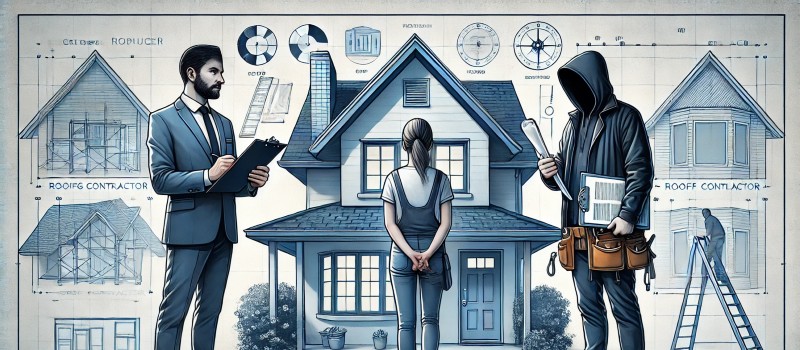
When it comes to roofing, warranties are crucial. They provide peace of mind and protect your investment. However, understanding and verifying these warranties can be confusing. This guide will help you navigate the process of verifying roofing warranties so you can feel confident in your roofing decisions.
Table of Contents
- Understanding Roofing Warranties
- Step-by-Step Verification Process
- Practical Homeowner Tips
- Common Mistakes to Avoid
- Safety Notes and Contractor Guidance
- Summary
- Frequently Asked Questions
Understanding Roofing Warranties
Roofing warranties typically fall into two categories: manufacturer warranties and workmanship warranties. Manufacturer warranties cover defects in the roofing materials, while workmanship warranties cover the installation quality provided by the contractor.
Types of Warranties
- Manufacturer’s Warranty: This guarantees that materials will perform as expected for a certain period. It usually covers issues like leaks or material defects.
- Workmanship Warranty: This ensures that the installation meets industry standards. If issues arise due to poor installation, this warranty will cover repairs.
Step-by-Step Verification Process
Verifying a roofing warranty involves several key steps. Follow this guide to ensure you understand what is covered and how to make a claim if necessary.
1. Gather Your Documentation
Start by collecting all relevant documents, including:
- The original warranty documents from the manufacturer.
- The contract with your roofing contractor.
- Any receipts or proof of payment for the roofing work.
2. Review the Warranty Terms
Carefully read through the warranty terms. Look for:
- The coverage period for both materials and workmanship.
- Any exclusions or limitations.
- Requirements for maintaining the warranty, such as regular inspections.
3. Contact the Manufacturer
If you have questions about the warranty, reach out to the manufacturer directly. They can clarify coverage details and confirm that your warranty is valid.
4. Verify Contractor Credentials
Ensure your contractor is licensed and insured. Check their reputation by reading reviews or asking for references. This can help you avoid issues with workmanship warranties.
5. Document Everything
Keep a record of all communications regarding your warranty. This includes emails, phone calls, and any correspondence with your contractor or manufacturer.
Practical Homeowner Tips
Here are some tips to help you manage your roofing warranty effectively:
- Schedule Regular Inspections: Regular roof inspections can help identify potential problems early, ensuring your warranty remains valid.
- Keep Maintenance Records: Document all maintenance and repairs. This can be crucial if you need to make a warranty claim.
- Understand Your Rights: Familiarize yourself with your rights as a homeowner regarding warranties. This knowledge can protect you in case of disputes.
Common Mistakes to Avoid
Many homeowners make mistakes that can jeopardize their roofing warranties. Avoid these pitfalls:
- Ignoring Maintenance: Failing to perform regular maintenance can void your warranty.
- Not Reading the Fine Print: Skimming through warranty documents can lead to misunderstandings about coverage.
- Choosing Unlicensed Contractors: Hiring unlicensed or uninsured contractors can affect your workmanship warranty.
Safety Notes and Contractor Guidance
When dealing with roofing, safety is paramount. Here are some safety tips and guidance for selecting a contractor:
- Safety First: If you need to inspect your roof, use a sturdy ladder and consider hiring a professional for safety.
- Check Credentials: Always verify that your contractor has the necessary licenses and insurance. This protects you from liability.
- Get Multiple Quotes: Obtain quotes from several contractors to compare prices and services. This helps ensure you get a fair deal.
Summary
Verifying roofing warranties is an essential step for homeowners. By understanding the types of warranties, following a clear verification process, and avoiding common mistakes, you can protect your investment. Always keep your documentation organized and maintain regular communication with your contractor and the manufacturer.
Frequently Asked Questions
- What should I do if my roof leaks after installation? Contact your contractor immediately to discuss the issue and determine if it falls under the workmanship warranty.
- How long do roofing warranties typically last? Manufacturer warranties can last from 10 to 50 years, while workmanship warranties usually last 1 to 10 years.
- Can I transfer my roofing warranty if I sell my house? Many warranties are transferable, but check the specific terms to ensure you understand the process.
- What happens if I dont maintain my roof? Failing to maintain your roof can void your warranty, leaving you responsible for repairs.
- How can I find a reputable roofing contractor? Look for online reviews, ask for recommendations from friends, and verify their licenses and insurance.
By following these guidelines, you can feel confident in verifying your roofing warranties and making informed decisions about your roofing needs.