
When it comes to roofing, homeowners often face a significant decision: should they hire a big brand roofing company or a local contractor? Big brand companies have a strong presence in the market, but they come with their own set of advantages and disadvantages. This article will help you understand the pros and cons of big brand roofing companies, so you can make an informed choice for your home.
Table of Contents
- Pros of Big Brand Roofing Companies
- Cons of Big Brand Roofing Companies
- Understanding the Roofing Process
- Practical Homeowner Tips
- Common Mistakes to Avoid
- Safety Notes and Contractor Guidance
- Summary
- Frequently Asked Questions
Pros of Big Brand Roofing Companies
Big brand roofing companies often come with a reputation built over many years. Here are some of the key benefits:
- Experience: Established brands usually have extensive experience in the industry. They have likely handled a wide range of roofing issues and can provide reliable solutions.
- Warranty Options: Many big brands offer robust warranties on their materials and workmanship. This can give you peace of mind knowing that your investment is protected.
- Quality Materials: Large companies often have access to high-quality materials and advanced technology, ensuring a durable roof.
- Professionalism: Big brand companies typically have standardized processes and trained staff, which can lead to a smoother experience.
- Insurance and Licensing: They are usually fully licensed and insured, which protects you from liability in case of accidents during the roofing project.
Cons of Big Brand Roofing Companies
While there are many advantages, there are also some drawbacks to consider:
- Higher Costs: Big brands often charge more for their services due to their overhead costs and brand reputation. This can make them less affordable for some homeowners.
- Less Personal Attention: With larger companies, you might not receive the personalized service that smaller, local contractors can offer. You may feel like just another number in their system.
- Variable Quality: Not all branches of a big brand maintain the same quality of work. The experience can vary significantly depending on the local franchise or contractor.
- Pushy Sales Tactics: Some big brands may employ aggressive sales tactics, which can make homeowners feel pressured to make quick decisions.
Understanding the Roofing Process
Whether you choose a big brand or a local contractor, understanding the roofing process is crucial. Heres a simple breakdown:
- Inspection: A professional will inspect your roof to assess its condition. Look for signs of damage, such as missing shingles or leaks.
- Quote: After the inspection, you will receive a detailed quote outlining the costs involved. Ensure it includes materials, labor, and any additional fees.
- Material Selection: Choose the right materials for your roof. Common options include asphalt shingles, metal roofing, and tile. Each has its pros and cons.
- Installation: The roofing team will begin the installation process, which typically involves removing old materials, repairing any damage, and applying new roofing.
- Final Inspection: After installation, a final inspection ensures everything is done correctly. This step is essential for warranty purposes.
Practical Homeowner Tips
Here are some tips to help you navigate your roofing project:
- Do Your Research: Look for reviews and ratings of big brand companies in your area. Websites like Angies List and Yelp can provide valuable insights.
- Ask for References: Request references from previous customers to gauge their satisfaction with the companys work.
- Get Multiple Quotes: Dont settle for the first quote you receive. Getting multiple estimates can help you understand the market rate and find the best deal.
- Understand Your Warranty: Make sure you fully understand the warranty terms. Some warranties may only cover specific issues, so read the fine print.
Common Mistakes to Avoid
When hiring a roofing contractor, avoid these common pitfalls:
- Not Checking Licenses: Always verify that the contractor is licensed and insured to protect yourself from liability.
- Ignoring the Fine Print: Read all contracts carefully before signing. Ensure you understand the terms and conditions.
- Skipping the Inspection: Dont skip the initial inspection. Its crucial for identifying potential issues early on.
Safety Notes and Contractor Guidance
Safety should always be a priority during roofing projects. Here are some safety tips:
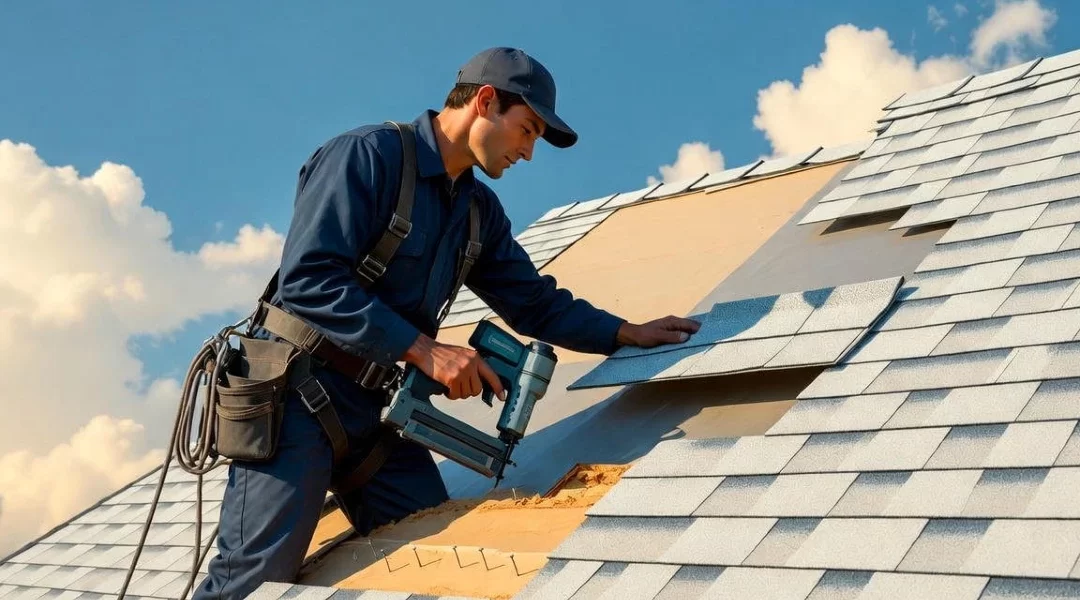
- Ensure Proper Safety Gear: Contractors should wear appropriate safety gear, including helmets, harnesses, and non-slip shoes.
- Check Weather Conditions: Roofing should not be done during inclement weather, as it can lead to accidents and poor workmanship.
- Communicate Clearly: Maintain clear communication with your contractor throughout the project to address any concerns immediately.
Summary
Choosing between big brand roofing companies and local contractors involves weighing the pros and cons carefully. Big brands offer experience and warranties but can come with higher costs and less personal service. Understanding the roofing process and following practical tips can help you make the best decision for your home.
Frequently Asked Questions
- Are big brand roofing companies more reliable? They often have more experience and established processes, but reliability can vary by location.
- How do I know if a roofing company is reputable? Check online reviews, ask for references, and verify licenses and insurance.
- What should I look for in a roofing contract? Ensure it includes detailed costs, warranty information, and a timeline for the project.
- Can I negotiate the price with big brand companies? Yes, its often possible to negotiate, especially if you have multiple quotes.
- What materials are best for my roof? It depends on your budget and climate; asphalt shingles are common, but metal and tile are also popular options.
As you consider your roofing options, remember that knowledge is power. Take your time, do your research, and feel confident in your choice. Your home deserves the best care, and with the right information, you can make an informed decision.