
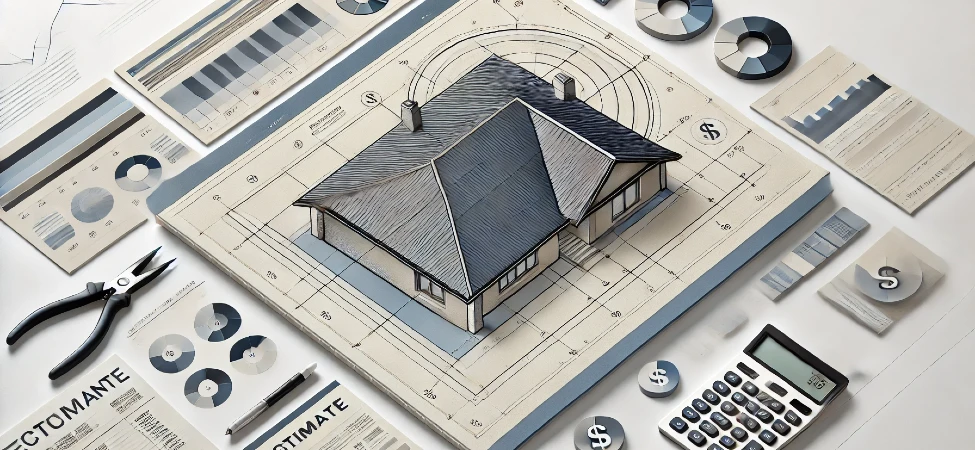
When it comes to homeownership, understanding how roof materials affect insurance rates is crucial. Your roof is not just a protective covering; it plays a significant role in determining your insurance premiums. This article will break down how different roofing materials influence your insurance costs, helping you make informed decisions about repairs and replacements.
Table of Contents
- Understanding Roofing Materials
- How Roof Materials Impact Insurance Rates
- Practical Homeowner Tips
- Common Mistakes to Avoid
- Safety Notes and Contractor Guidance
- Summary
- Frequently Asked Questions
Understanding Roofing Materials
Roofing materials come in various types, each with unique properties and costs. Here are some common materials:
- Asphalt Shingles: The most popular option, known for affordability and ease of installation.
- Metal Roofing: Durable and energy-efficient, but can be more expensive upfront.
- Tile Roofing: Offers a long lifespan and aesthetic appeal, often at a higher cost.
- Wood Shingles: Attractive and natural but may require more maintenance.
- Slate Roofing: Extremely durable and long-lasting, but also one of the most expensive options.
How Roof Materials Impact Insurance Rates
Insurance companies assess risk when determining your premiums. The type of roofing material can significantly influence this assessment in several ways:
1. Durability
Materials like metal and slate are known for their durability. Homes with these roofs may qualify for lower insurance rates because they are less likely to suffer severe damage in storms or other disasters.
2. Fire Resistance
Fire-resistant materials, such as metal and tile, can lead to lower premiums. If your roof is made from a material that is more susceptible to fire, you may face higher rates.
3. Maintenance Requirements
Some materials require more maintenance than others. For example, wood shingles may need regular inspections and treatments to prevent rot. Insurance companies may view homes with high-maintenance roofs as higher risk, leading to increased rates.
4. Replacement Costs
Insurance also considers how much it would cost to replace your roof. More expensive materials, like slate or tile, can lead to higher premiums due to the increased replacement costs.
Practical Homeowner Tips
Here are some actionable tips to help you manage your roofing and insurance effectively:
- Get Regular Inspections: Schedule annual roof inspections to catch potential issues early. This can help maintain your roof’s condition and potentially lower insurance rates.
- Document Your Roof: Keep records of your roofing materials, installation dates, and any repairs. This information can be helpful when discussing insurance rates with your provider.
- Consider Upgrades: If your roof is nearing the end of its lifespan, consider upgrading to a more durable material. This could lead to lower insurance rates in the long run.
- Shop Around: Different insurance companies may weigh roof materials differently. Get quotes from multiple providers to find the best rate.
Common Mistakes to Avoid
Being a homeowner comes with its challenges. Here are some common mistakes to avoid regarding roofing and insurance:
- Neglecting Maintenance: Failing to maintain your roof can lead to significant damage and higher insurance claims.
- Ignoring Insurance Reviews: Not reviewing your insurance policy regularly can result in missed opportunities for savings.
- Choosing the Cheapest Option: Opting for the cheapest roofing material may save you money initially, but it could lead to higher insurance costs later.
Safety Notes and Contractor Guidance
When dealing with roofing, safety should always be a priority:
- Hire Licensed Contractors: Ensure that any roofing work is done by licensed and insured professionals. This protects you from liability in case of accidents.
- Follow Local Codes: Always adhere to local building codes and regulations when replacing or repairing your roof.
- Use Safety Gear: If you are inspecting your roof yourself, wear appropriate safety gear, such as a harness and non-slip shoes.
Summary
Understanding how roof materials affect insurance rates is essential for homeowners. By choosing durable, fire-resistant materials and maintaining your roof, you can potentially lower your insurance premiums. Always keep your insurance provider informed about your roofing materials and any upgrades you make.
Frequently Asked Questions
- Do all insurance companies consider roof materials?
Most insurance companies take roofing materials into account when determining premiums, but the weight of this factor can vary. - Can I lower my insurance rates by changing my roofing material?
Yes, upgrading to more durable or fire-resistant materials can potentially lower your rates. - How often should I inspect my roof?
Its recommended to inspect your roof at least once a year, and after severe weather events. - What should I do if my roof is damaged?
Contact a licensed contractor for an inspection and report the damage to your insurance company as soon as possible. - Are there any roofing materials that can increase my insurance rates?
Yes, materials that are less durable or more prone to fire can lead to higher insurance rates.
By understanding the relationship between roofing materials and insurance rates, you can make informed decisions that protect your home and finances. Take the time to evaluate your roofing options and consult with professionals to ensure you are making the best choices for your property.