
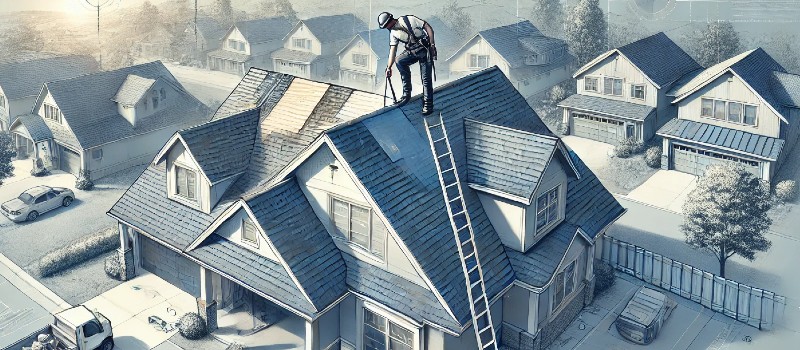
As a homeowner, you may wonder how much a new roof can impact your energy bills. A roof is more than just a protective covering; it plays a crucial role in your home’s energy efficiency. In this article, we will explore how a new roof can improve energy efficiency, what materials to consider, and how to ensure you make the best choice for your home.
Table of Contents
- Understanding Energy Efficiency
- The Roofing Process
- Practical Homeowner Tips
- Common Mistakes to Avoid
- Safety Notes and Contractor Guidance
- Summary
- Frequently Asked Questions
Understanding Energy Efficiency
Energy efficiency refers to using less energy to provide the same service. In the context of roofing, this means keeping your home comfortable while reducing heating and cooling costs. A well-insulated and properly installed roof can significantly lower your energy bills.
When considering a new roof, look for materials with high energy efficiency ratings. These materials can reflect sunlight and reduce heat absorption, keeping your home cooler in the summer and warmer in the winter.
The Roofing Process
Installing a new roof involves several steps. Heres a breakdown of the roofing process:
- Inspection: Start by inspecting your current roof. Look for missing shingles, leaks, or signs of wear. If you’re unsure, hire a professional to assess the condition.
- Choosing Materials: Select energy-efficient roofing materials. Options include:
- Metal Roofing: Reflects sunlight and is durable.
- Asphalt Shingles: Look for those with high solar reflectance.
- Tile or Slate: Naturally energy-efficient and long-lasting.
- Getting Quotes: Contact several contractors for quotes. Ensure they provide detailed estimates, including material costs and labor.
- Installation: Once you choose a contractor, they will remove the old roof and install the new one. This process can take a few days, depending on the roof size and weather conditions.
- Final Inspection: After installation, have a final inspection to ensure everything is up to code and functioning properly.
Practical Homeowner Tips
Here are some tips to help you make informed decisions about your new roof:
- Research Energy-Efficient Options: Look for roofing materials with Energy Star ratings or similar certifications.
- Consider Insulation: Proper insulation in your attic can enhance the energy efficiency of your new roof. Ensure your insulation is adequate before installation.
- Ask About Ventilation: Good ventilation helps regulate temperature and moisture, improving energy efficiency.
- Plan for the Future: Consider the long-term benefits of energy efficiency. While initial costs may be higher, savings on energy bills can add up over time.
Common Mistakes to Avoid
When replacing your roof, avoid these common pitfalls:
- Ignoring Local Climate: Choose materials suited for your climate. For instance, metal roofs are great in hot climates, while shingles may be better in cooler areas.
- Overlooking Warranty Details: Understand the warranty on materials and workmanship. A good warranty can save you money in the long run.
- Neglecting Maintenance: After installation, keep up with regular roof maintenance to ensure longevity and efficiency.
Safety Notes and Contractor Guidance
Safety is paramount during roof installation. Here are some safety tips:
- Hire Licensed Professionals: Always choose licensed and insured contractors to ensure safety and quality work.
- Check References: Ask for references and read reviews to find a reliable contractor.
- Get Everything in Writing: Ensure all agreements, including timelines and costs, are documented.
Summary
A new roof can significantly improve your home’s energy efficiency. By selecting the right materials, ensuring proper installation, and maintaining your roof, you can enjoy lower energy bills and a more comfortable living environment. Take the time to do your research and consult with professionals to make the best choice for your home.
Frequently Asked Questions
- How much can a new roof reduce my energy bills? A new roof can reduce energy bills by 10-25%, depending on the materials and insulation used.
- What roofing materials are the most energy-efficient? Metal roofing, tile, and certain types of asphalt shingles are considered highly energy-efficient.
- How often should I replace my roof? Most roofs last between 20-50 years, depending on the material. Regular inspections can help determine when replacement is necessary.
- Can I install a new roof over my old one? In some cases, yes, but its best to remove the old roof for better insulation and ventilation.
- What should I look for in a roofing contractor? Look for experience, proper licensing, insurance, and positive reviews from previous clients.
Feeling confident about your roofing choices is essential. With the right information and guidance, you can make decisions that enhance your homes energy efficiency and comfort. Take the next step towards a more energy-efficient home today!