
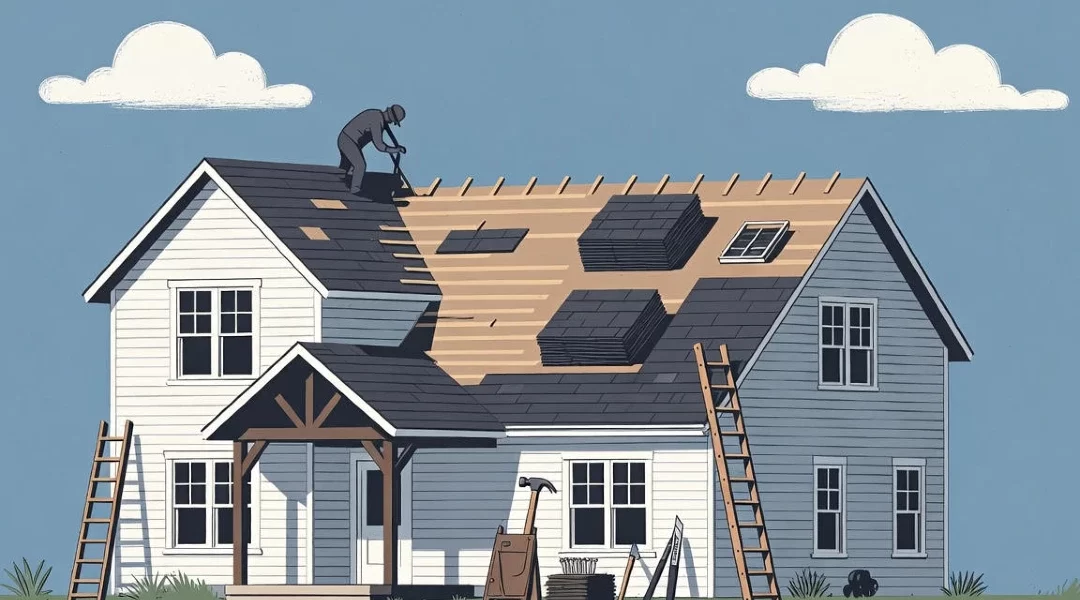
Inspecting your roof for damage is an essential part of home maintenance. Whether youre a homeowner, property owner, or a buyer looking into roofing services, understanding how to assess your roof can save you time and money. This guide will walk you through the steps to inspect your roof effectively, helping you identify potential issues before they become costly repairs.
Table of Contents
- Step-by-Step Roof Inspection
- Practical Homeowner Tips
- Common Mistakes to Avoid
- Safety Notes and Contractor Guidance
- Summary
- Frequently Asked Questions
Step-by-Step Roof Inspection
Inspecting your roof can seem daunting, but breaking it down into manageable steps makes it easier. Heres how to do it:
1. Gather Your Tools
Before you start, make sure you have the following tools:
- Binoculars
- Flashlight
- Measuring tape
- Camera (optional, for documentation)
- Safety gear (harness, hard hat, non-slip shoes)
2. Inspect from the Ground
Begin your inspection from the ground using binoculars. Look for:
- Missing shingles
- Curled or buckled shingles
- Dark spots or stains (indicating potential leaks)
- Damaged flashing around chimneys or vents
- Gutters filled with shingle granules
3. Check the Attic
Next, head to your attic. Look for:
- Signs of water stains on the ceiling or walls
- Mold or mildew growth
- Light coming through the roof boards (indicating holes)
4. Inspect the Roof Surface
If its safe, climb onto the roof. Look for:
- Cracked or missing shingles
- Rust on metal roofs
- Debris buildup in valleys or on the roof surface
- Any signs of sagging or unevenness
5. Document Your Findings
Take notes and photos of any damage you find. This documentation will be helpful if you need to call a contractor for repairs.
Practical Homeowner Tips
Here are some additional tips to make your roof inspection more effective:
- Schedule inspections after severe weather events, such as storms or heavy snowfall.
- Consider using a drone for hard-to-reach areas.
- Regularly clean your gutters to prevent water damage.
- Keep trees trimmed to avoid branches falling on your roof.
Common Mistakes to Avoid
When inspecting your roof, avoid these common pitfalls:
- Not using safety gear when climbing onto the roof.
- Ignoring small issues, which can lead to bigger problems.
- Failing to document findings for future reference.
- Overlooking the importance of professional inspections, even if you do a thorough check yourself.
Safety Notes and Contractor Guidance
Your safety is paramount when inspecting your roof. Here are some safety tips:
- Always use a sturdy ladder and ensure its placed on level ground.
- Wear non-slip shoes and a safety harness if youre on a steep roof.
- If you feel uncomfortable or unsure, hire a professional roofing contractor.
When selecting a contractor, look for:
- Licensing and insurance
- Positive reviews and references
- A detailed written estimate
- Warranties on both materials and labor
Summary
Inspecting your roof for damage is an important task that every homeowner should undertake regularly. By following these steps, you can identify potential issues early and take action before they escalate. Remember to prioritize safety and consider professional help when needed. Regular maintenance can extend the life of your roof and protect your home.
Frequently Asked Questions
1. How often should I inspect my roof?
Its recommended to inspect your roof at least twice a year, ideally in the spring and fall, and after severe weather events.
2. What are the signs of a roof leak?
Signs include water stains on ceilings, mold growth in the attic, and missing or damaged shingles.
3. Can I inspect my roof myself?
Yes, you can perform a visual inspection from the ground and check the attic. However, for a thorough inspection, especially on the roof itself, consider hiring a professional.
4. How much does a roof inspection cost?
Professional roof inspections typically range from $100 to $300, depending on the size and complexity of your roof.
5. What should I do if I find damage?
If you find damage, document it and contact a qualified roofing contractor for an assessment and repairs.
6. Are there any roofing materials that are more durable?
Yes, materials like metal and slate are known for their durability compared to asphalt shingles. Consider your climate and budget when choosing roofing materials.
By taking the time to inspect your roof regularly and understanding the basics of roof maintenance, you can feel confident in your ability to protect your home. Don’t hesitate to reach out for professional help when needed, ensuring your roof remains in top condition.